INQUIRY
  • Ceramic Crucibles for OLED Applications
    2025-08-15

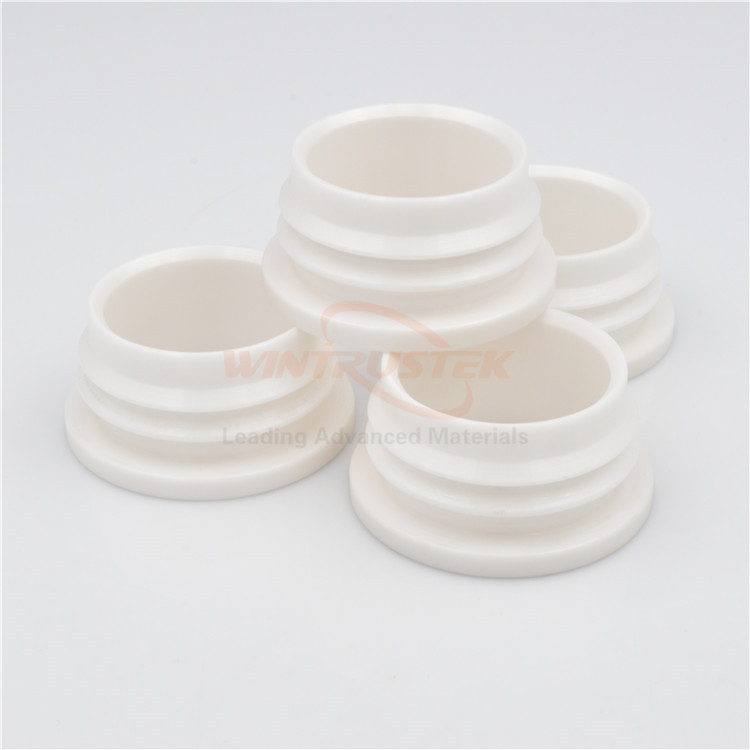
    Ceramic Crucibles for OLED Applications

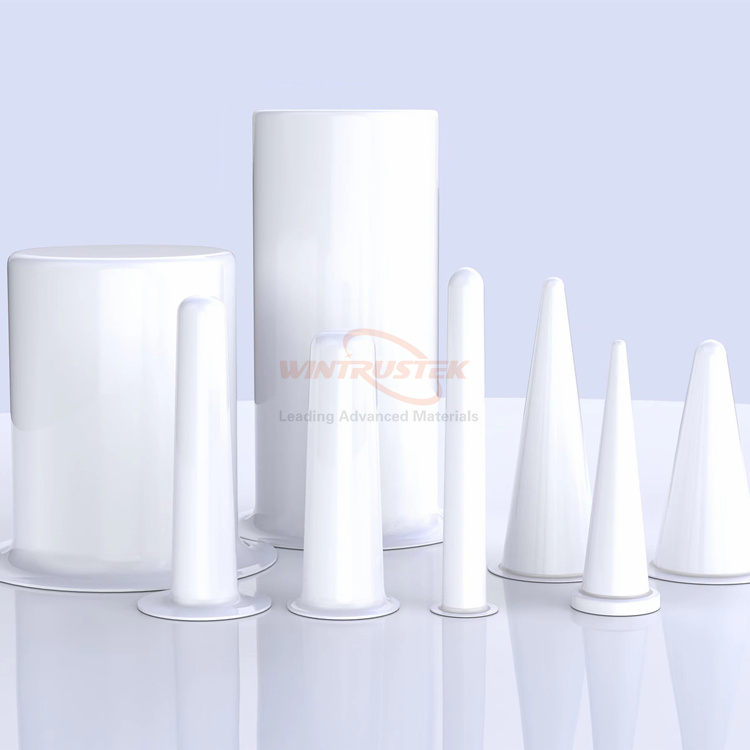
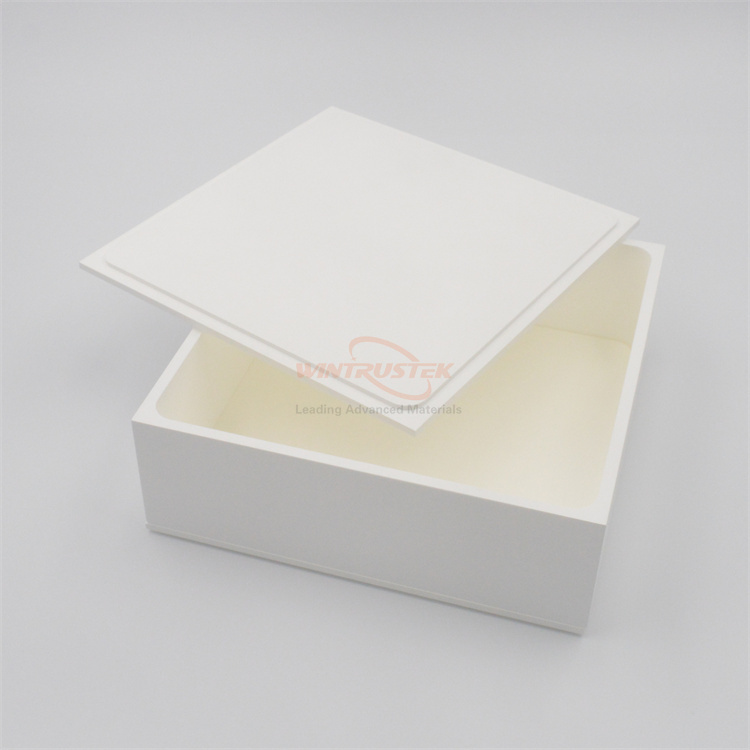
    In the ceramic industries, Pyrolytic Boron Nitride (PBN), Aluminum Nitride (AlN) and 99.8% Aluminium Oxide (Alumina) are used commonly for the OLED industry.
    read more
  • Boron Nitride Plate Used for Sintering AlN Ceramic Heaters and Electrostatic Chuck (ESC)
    2025-08-07

    Boron Nitride Plate Used for Sintering AlN Ceramic Heaters and Electrostatic Chuck (ESC)

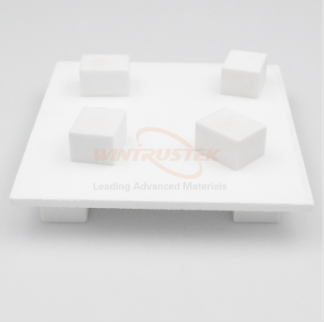
    ​ Although 99.7% boron nitride is white and offers strong electrical insulation, its lubricating capabilities, effective thermal conduction, and ease of machining make it comparable to graphite. It can also hold most molten metals since they don't wet it. Applications involving abrupt temperature fluctuations can benefit from its exceptional resilience to thermal shock. It won't react or get wet w
    read more
  • What is Metallized Beryllium Oxide(BeO) Ceramic?
    2025-07-24

    What is Metallized Beryllium Oxide(BeO) Ceramic?

    The molybdenum-manganese process is the most widely used metallization technique for BeO ceramics. The process involves applying a paste-like mixture of metal oxides and pure metal powder (Mo, Mn) to the ceramic surface, followed by high-temperature heating in a furnace to create a metal layer.
    read more
  • What is the Advantage of SNBN Breaking Ring in the Horizontal Continuous Casting Equipment?
    2025-07-18

    What is the Advantage of SNBN Breaking Ring in the Horizontal Continuous Casting Equipment?

    When it comes to the horizontal continuous casting of nonferrous metals, SNBN (boron nitride+silicon nitride) composite ceramics perform exceptionally well. The rings are perfect for guaranteeing a steady and clear separation during metal flow since they are non-wetting to molten metal, oxidation-resistant, and chemically inert.
    read more
  • What is Hot Isostatic Pressing(HIP) Sintering?
    2025-07-04

    What is Hot Isostatic Pressing(HIP) Sintering?

    The process known as "hot isostatic pressing," or "HIP," is used to enhance the mechanical qualities and integrity of materials. It entails simultaneously applying high pressure and temperature to a material. In the HIP process, an inert gas is used to pressurize a material that is heated to a predetermined temperature inside a pressure vessel. High pressure and temperature work together to remove internal flaws in castings, like pores or voids, and solidify powder metallurgy materials into completely dense components.
    read more
  • What is Hot Press Sintering Process?
    2025-06-27

    What is Hot Press Sintering Process?

    In essence, hot press sintering is a high-temperature dry pressing procedure. Even while its precise shapes vary, the basic procedure is essentially the same: the powder is filled into a mold, pressure is applied to the powder using upper and lower punches while it is heated, and simultaneous forming and sintering is achieved.
    read more
  • What is Gas Pressure Sintering Process?
    2025-06-20

    What is Gas Pressure Sintering Process?

    Materials are sintered under high-pressure gas conditions in a process called gas pressure sintering, which enhances densification and material qualities. Materials with high melting points or those that are challenging to sinter using conventional techniques benefit most from it.
    read more
  • What is Pressureless Sintering Silicon Carbide?
    2025-06-12

    What is Pressureless Sintering Silicon Carbide?

    Pressureless sintering produces nearly fully dense silicon carbide products with superior mechanical qualities. This procedure has the benefit of enabling a variety of shaping techniques to create goods with a wide range of shapes, and the use of the right additives can result in products with exceptional strength and durability.
    read more
  • What is Aluminum Nitride Ceramic Powder?
    2025-05-30

    What is Aluminum Nitride Ceramic Powder?

    AlN powder, also known as aluminum nitride powder, is a white or light grey ceramic substance. Its electrical and thermal qualities are especially valued in the electronics and semiconductor industries.
    read more
  • What is the Advantage of Boron Carbide as a Blasting Nozzle?
    2025-05-23

    What is the Advantage of Boron Carbide as a Blasting Nozzle?

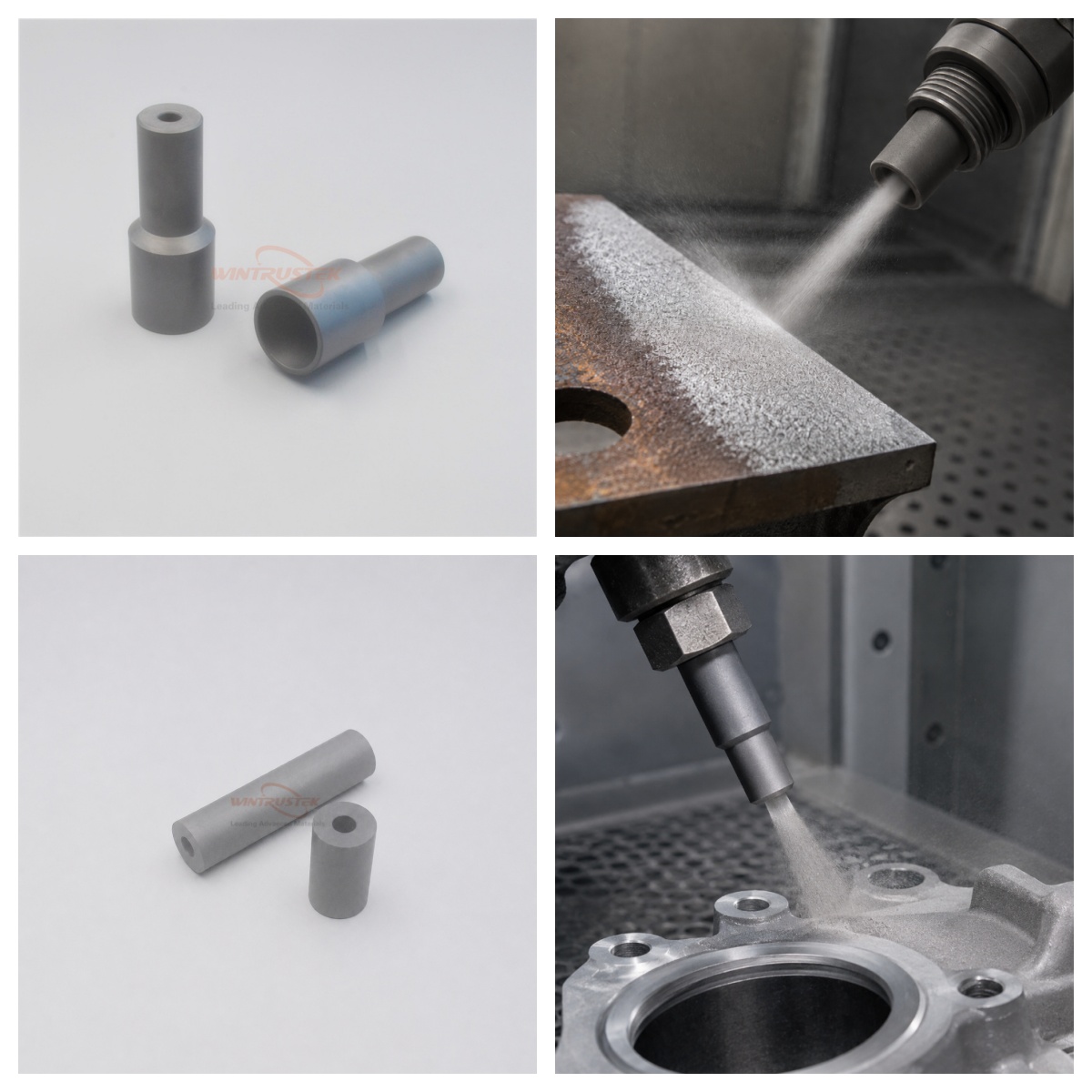
    Due to the exceptional abrasion resistance of the B4C, it is, in sintered form, an ideal material for blasting nozzles with uniform blasting power, minimal wear, and a longer service life even when used with very hard abrasive blasting agents like corundum and silicon carbide.
    read more
« 12345 ... 7 » Page 2 of 7
Copyright © Wintrustek / sitemap / XML / Privacy Policy   

Home

PRODUCTS

About Us

Contact