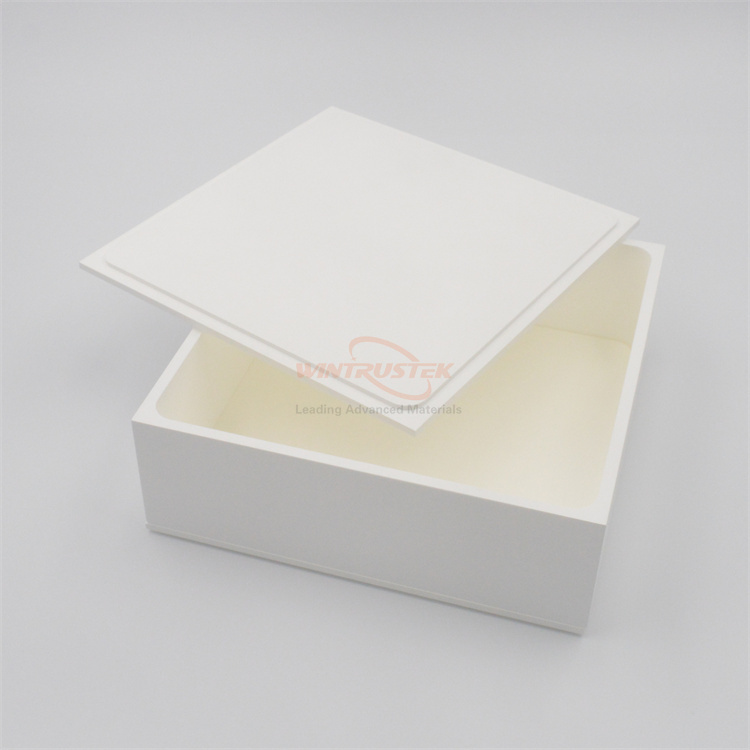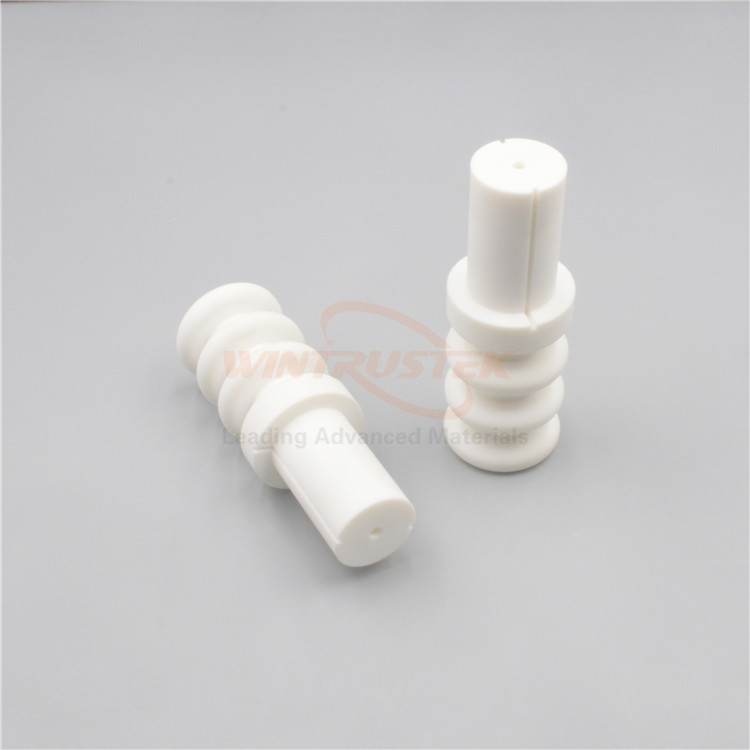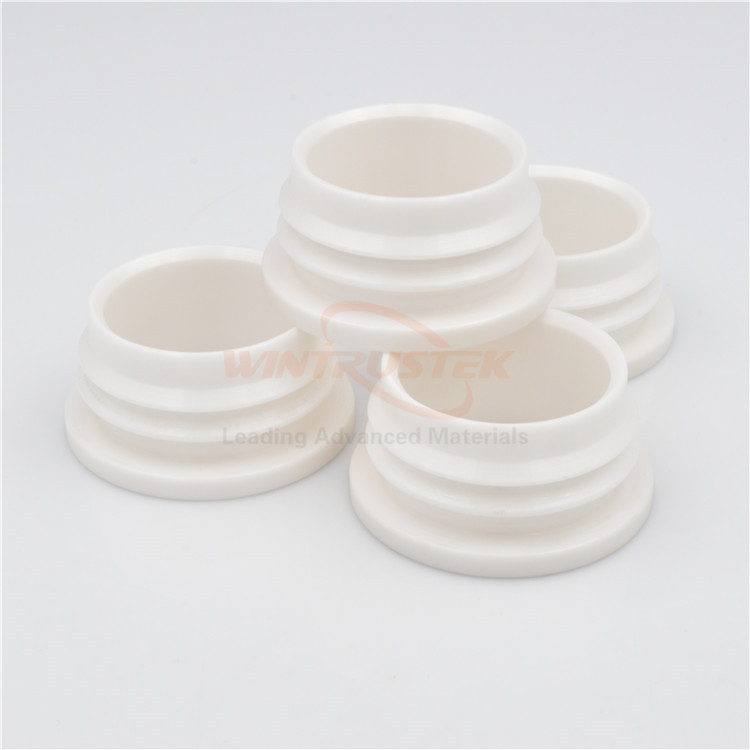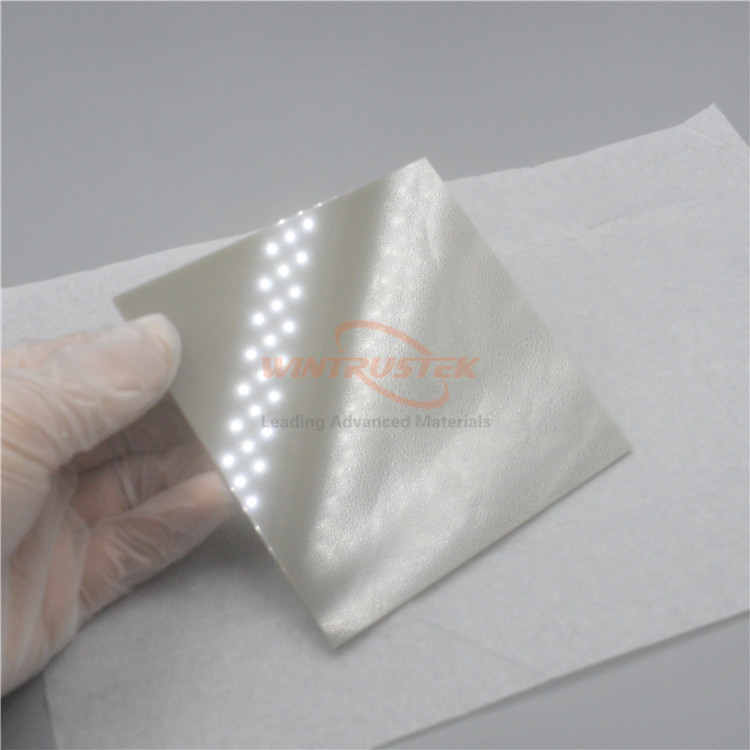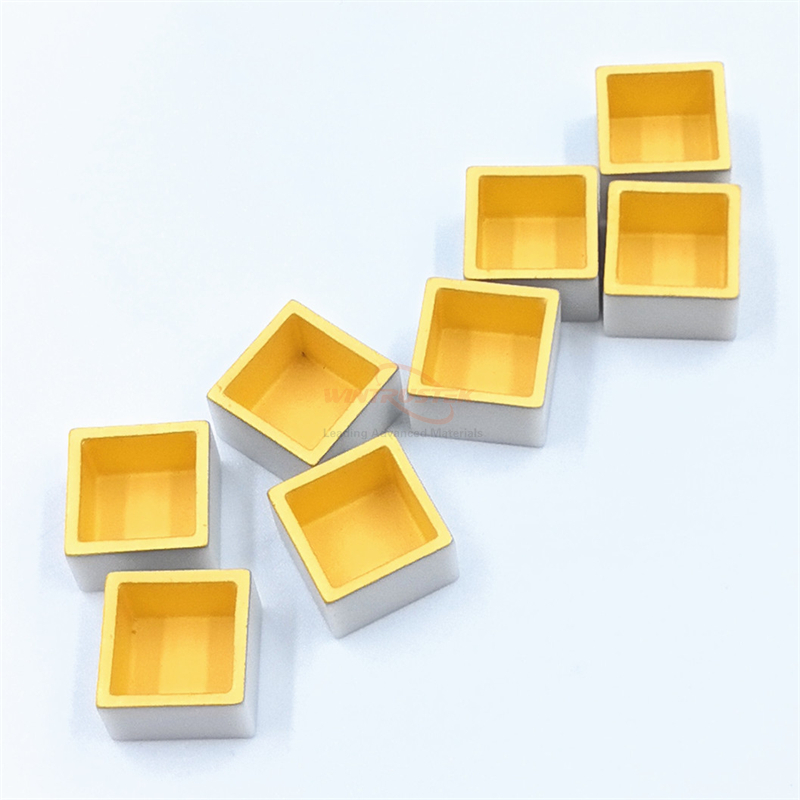
(Metallized BeO Ceramic Produced by Wintrustek)
Because ceramic substrates and metal materials have differing surface structures, welding and soldering frequently fail to wet the ceramic surface or create a solid bond with it. Thus, the connecting of metals and ceramics is a unique process known as "metallization."
The technique of securely affixing a thin layer of metal film to a ceramic material's surface to create a link between the ceramic and metal is known as ceramic metallization. The molybdenum-manganese (Mo-Mn) method, direct plate copper (DPC), direct bonded copper (DBC), active metal brazing (AMB), and other techniques are common ways for ceramic metallization.
Many ceramics can be metallized. In this article, we focus on introducing Metallized BeO Ceramic:
BeO is one of the best ceramics for applications involving heat dissipation because it combines the mechanical strength of ceramics with remarkable heat dissipation properties. Its qualities include low dielectric loss, strong strength, high melting point, and high thermal conductivity. In comparison to aluminum nitride (AlN) and alumina (Al2O3), BeO ceramics likewise have a low density and good neutron moderation and reflection capabilities. BeO ceramic has exceptional insulating properties in addition to stability in harsh environments.
The molybdenum-manganese process is the most widely used metallization technique for BeO ceramics. The process involves applying a paste-like mixture of metal oxides and pure metal powder (Mo, Mn) to the ceramic surface, followed by high-temperature heating in a furnace to create a metal layer. The purpose of adding 10% to 25% Mn to Mo powder is to enhance the metal coating and ceramics combination. Beryllium oxide ceramic metallization products have superior solderability, a high average tensile strength of the nickel-plated layer, and an ideal sintering temperature of less than 1550°C. These factors improve the thickness of the single sintered metallization layer, allow for the possibility of increasing the thickness of the metal layer through multiple sintering, and save energy.
Advantage:
Low dielectric constant
Low dielectric loss
Good thermal conductivity
Excellent insulating capabilities
High flexural strength
Because of these benefits, BeO ceramic becomes an essential material needed for making optoelectronic devices (like infrared detection and imaging) and microelectronic devices (such as thick and thin-film circuits and high-power semiconductor devices).