WINTRUSTEK nwere otu ọkachamara na nke nwere mmasị maka ndị ahịa anyị, nyere gị aka ịchọta ngwọta kachasị mma.
Ụgwọ nke ụlọ ọrụ Xiamen Wintrustek Advanced Materials Co., Ltd.
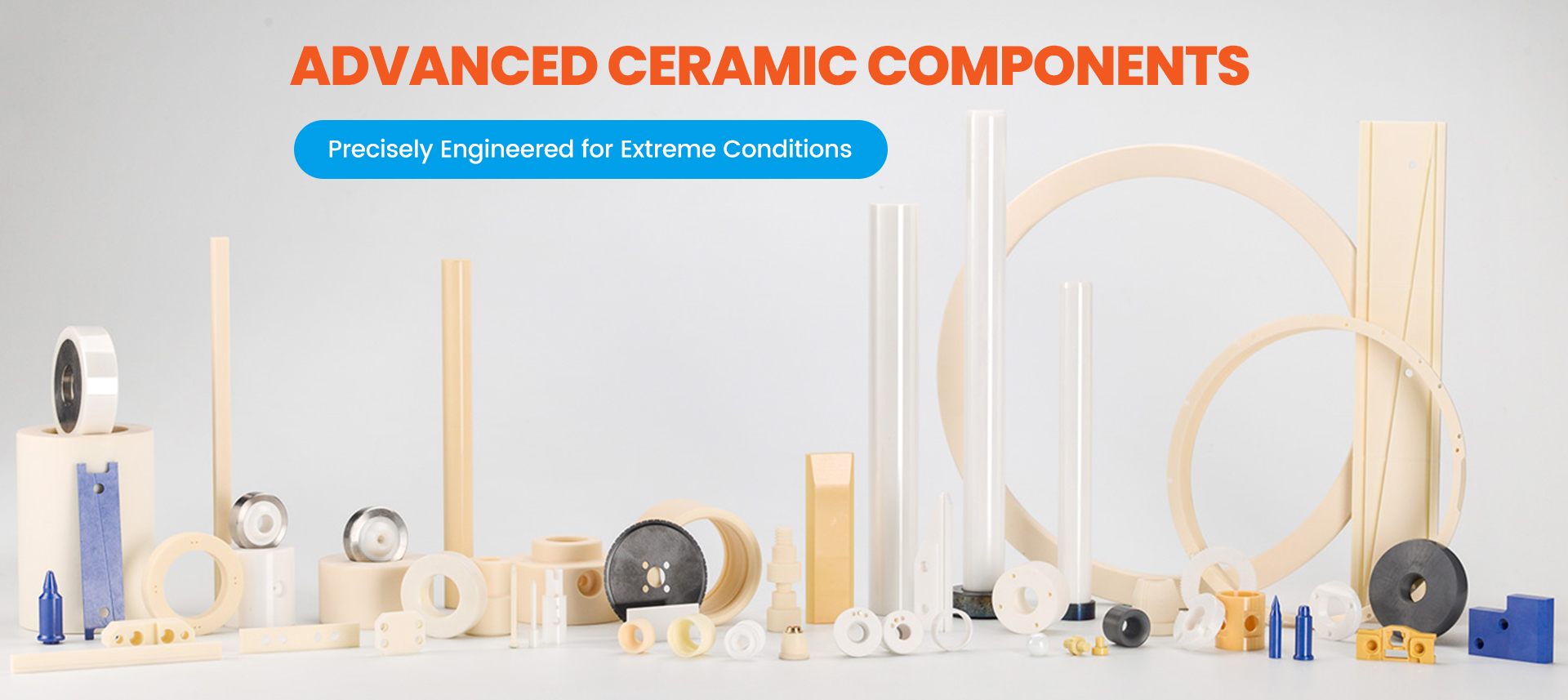
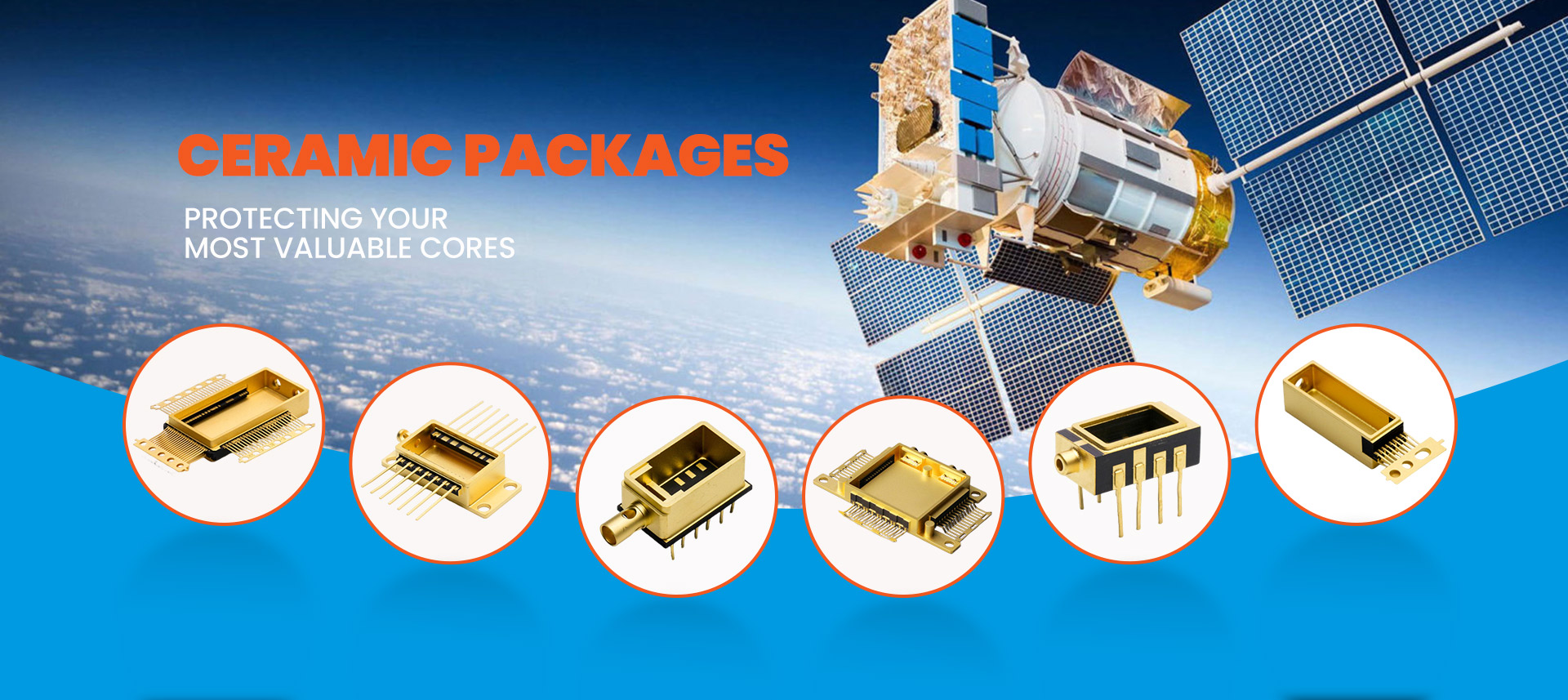
WINTRUSTEK bụ a na-eduga emeputa pụrụ iche na teknuzu ceramics kemgbe 2014. N'ime afọ anyị na-agba mbọ na nnyocha, imewe, mmepụta na ahịa site n'inye a dịgasị iche iche nke elu seramiiki ngwọta maka ụlọ ọrụ na-arịọ pụtara pụtara ìhè arụmọrụ ihe iji merie oké ọrụ ọnọdụ.
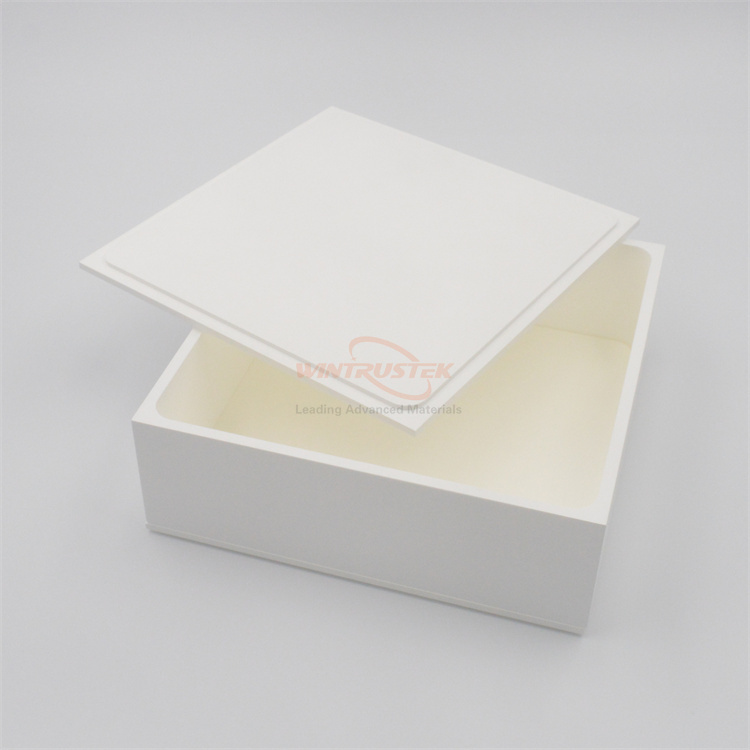
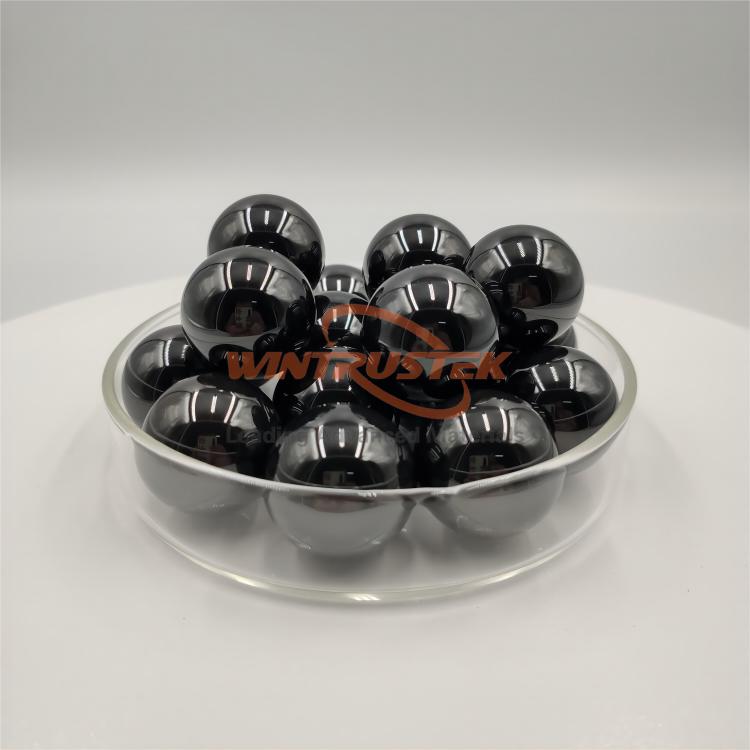
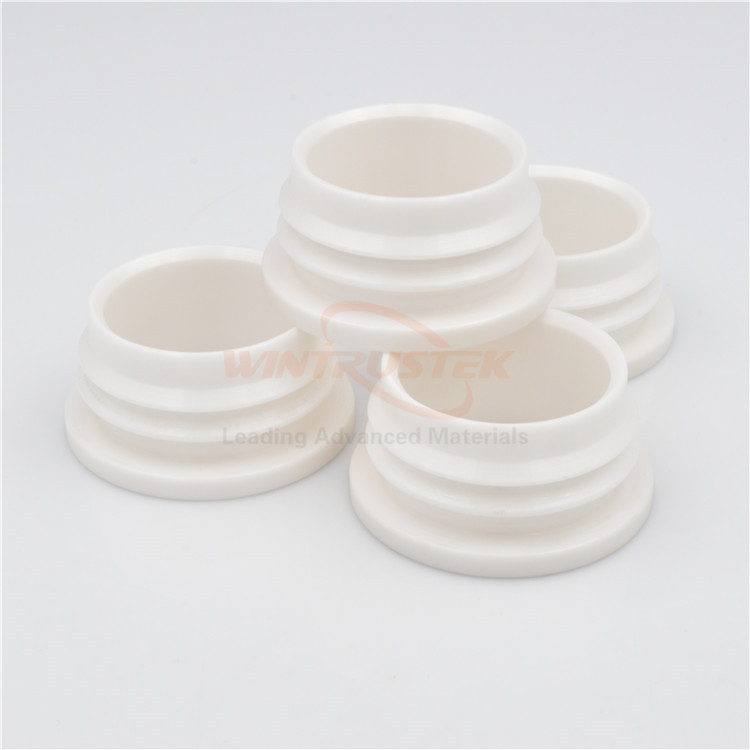
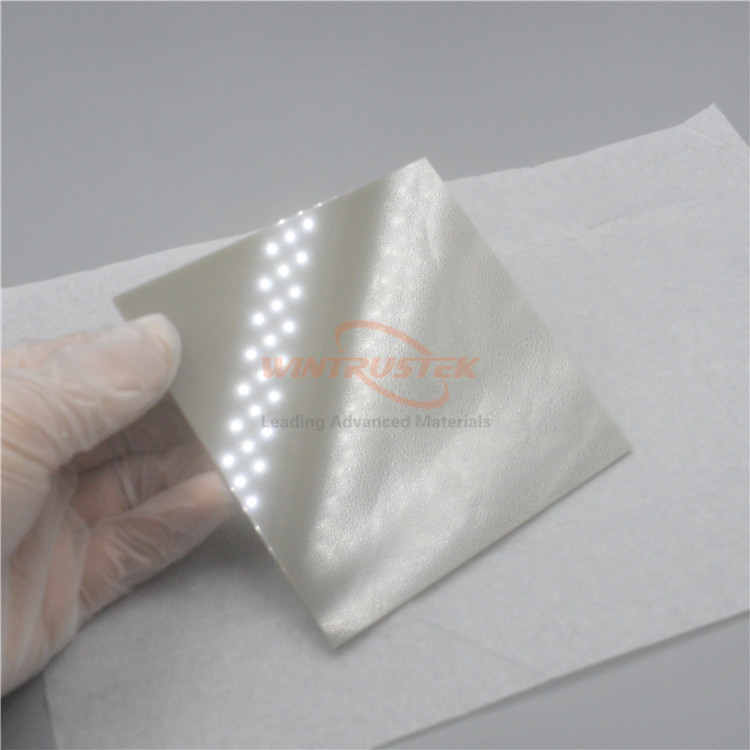
Ihe anyị seramiiki gụnyere: - Aluminom Oxide - Zirconium Oxide - Beryllium Oxide- Aluminium Nitride- Boron Nitride- Silicon Nitride- Silicon Carbide- Boron Carbide- Macor.Our ahịa na-ahọrọ na-akwado anyị dabere na anyị na-eduga technology, ọrụ, na nkwa na ụlọ ọrụ ndị anyị na-eje ozi.Ọrụ ogologo oge nke Wintrustek bụ imeziwanye arụmọrụ nke ihe ndị dị elu ka anyị na-elekwasị anya na afọ ojuju ndị ahịa site n'inye ngwaahịa kachasị mma na ọrụ ọkwa mbụ.
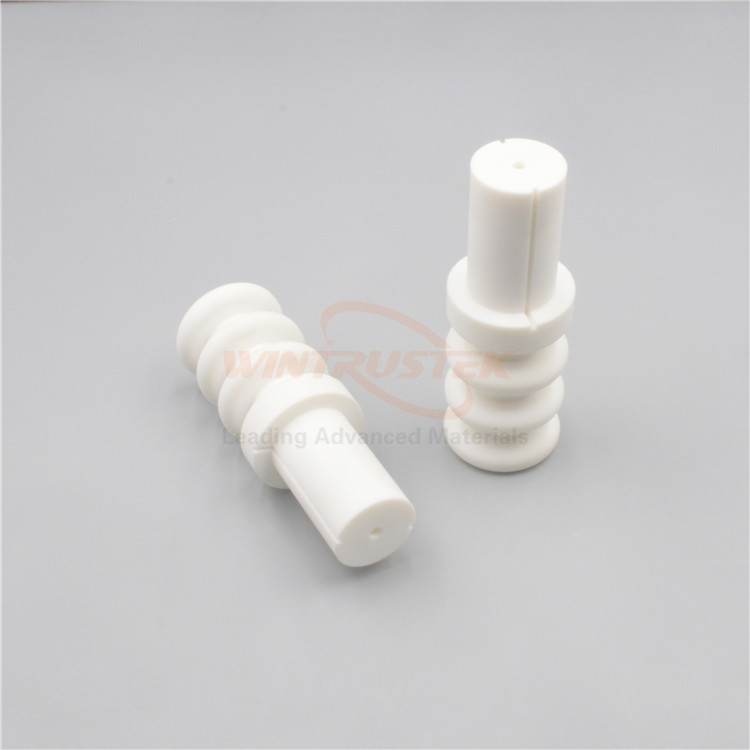
Alumina is a more frequent name for aluminum oxide (Al2O3). It is a durable technical ceramic with an outstanding combination of mechanical and electrical characteristics. It is suitable for a wide variety of industrial applications.
Boron nitride is a sophisticated synthetic ceramic that comes in powder and solid form. Boron nitride is a genuinely exceptional material because of its special qualities, which include high heat capacity, exceptional thermal conductivity, ease of machining, lubricity, low dielectric constant, and enhanced dielectric strength.
Aluminum nitride is a useful material in various industrial applications due to its chemical and physical properties.
However, in manufacturing, aluminum nitride is primarily separated into two types based on the sintering process: pressureless sintered aluminum nitride and hot-pressed aluminum nitride. The features and applications of these two categories differ significantly.
Boron carbide is one of the strongest and most durable materials available in today's environment, where performance, efficiency, and lifespan are important. It is well-known for its remarkable thermal stability, chemical inertness, and cost-effectiveness, and it has proven to be a valuable asset in a variety of industries, including manufacturing and defense.
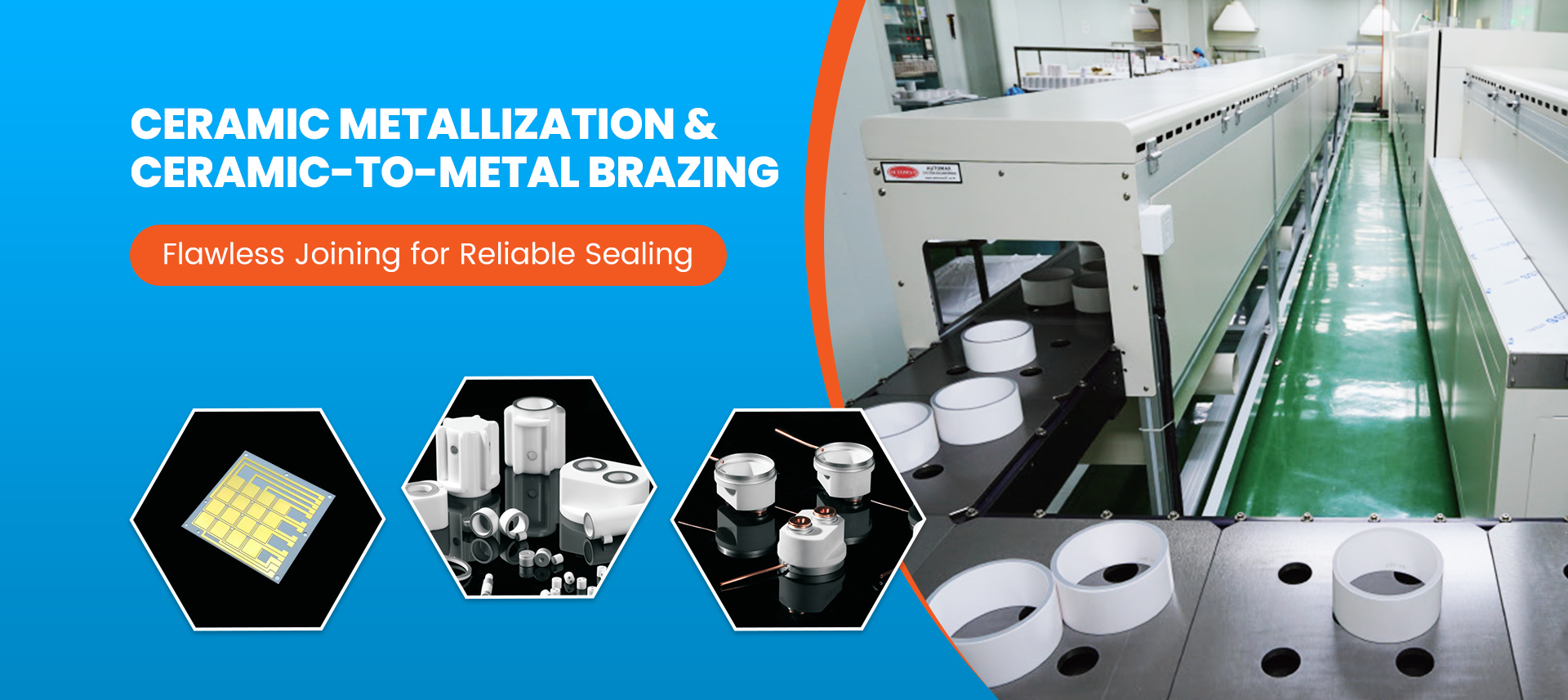
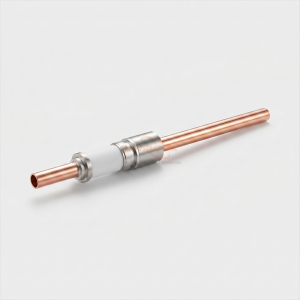
Within the Kovar family, 4J29 is the standard and recommended material for brazing high-alumina ceramics, providing a good balance of performance, cost, and dependability. 4J33/34 is a performance improvement for particular applications that require greater operating temperatures or rigorous nonmagnetic characteristics. The brazing of Kovar with alumina ceramics, which is supported by their therma