INQUIRY
  • Beryllium Oxide (BeO) Ceramics: Advantages, Applications, and Safety
    2026-03-16

    Beryllium Oxide (BeO) Ceramics: Advantages, Applications, and Safety

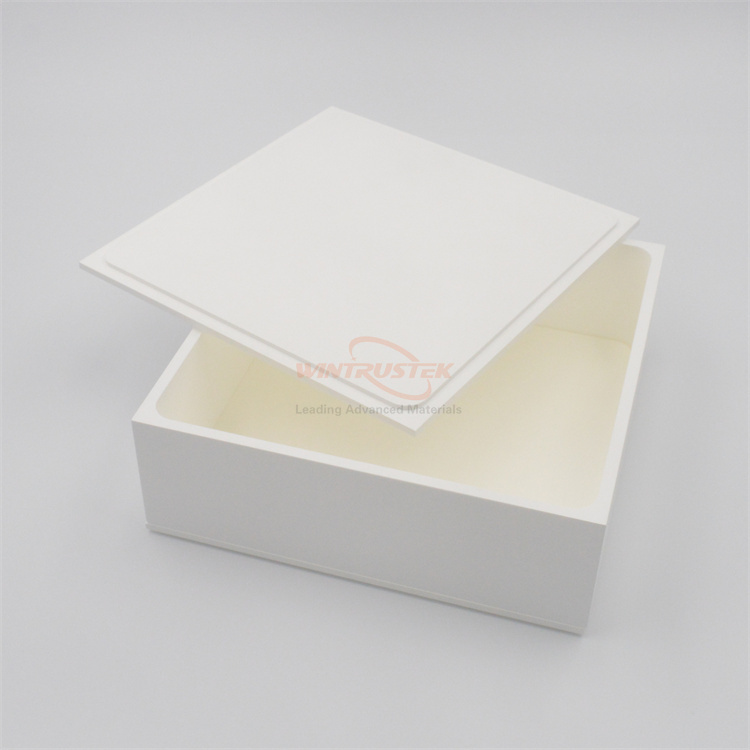
    Beryllium oxide (BeO) ceramics, with their unique combination of properties—high thermal conductivity, high electrical insulation, high-temperature resistance, and excellent nuclear properties—have secured important applications in these fields. Despite challenges in toxicity management, their comprehensive performance advantages ensure they retain significant research and application value under
    read more
  • Alumina Grinding Media for the Pharmaceutical Industry
    2026-03-06

    Alumina Grinding Media for the Pharmaceutical Industry

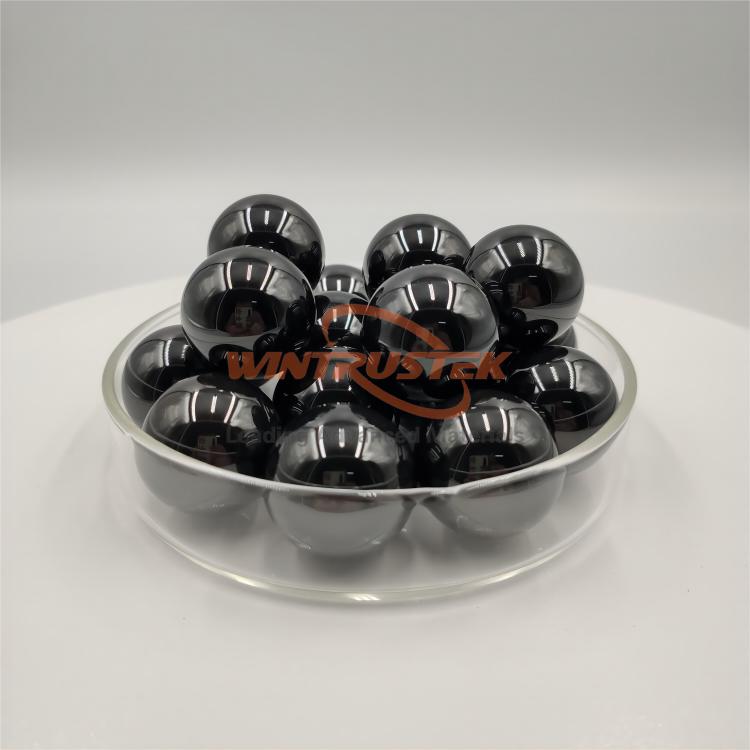
    Alumina grinding balls have become a popular grinding medium in the pharmaceutical industry due to their ultra-high hardness, excellent wear resistance, chemical inertness, and high purity, making them ideal for micronizing active pharmaceutical ingredients, formulation preparation, and biopharmaceutical research and development.
    read more
  • An Introduction to Ceramic Metallization
    2026-02-27

    An Introduction to Ceramic Metallization

    Ceramic metallization is the technique of depositing a highly adherent metal coating onto a ceramic surface. This is a vital step since ceramics are inherently unwettable to solder. The metallized layer makes them solderable, providing the necessary foundation for forming strong ceramic-to-metal connections.
    read more
  • Why are Ceramic Substrates Replacing MCPCBs in High-Power LED Applications?
    2026-02-06

    Why are Ceramic Substrates Replacing MCPCBs in High-Power LED Applications?

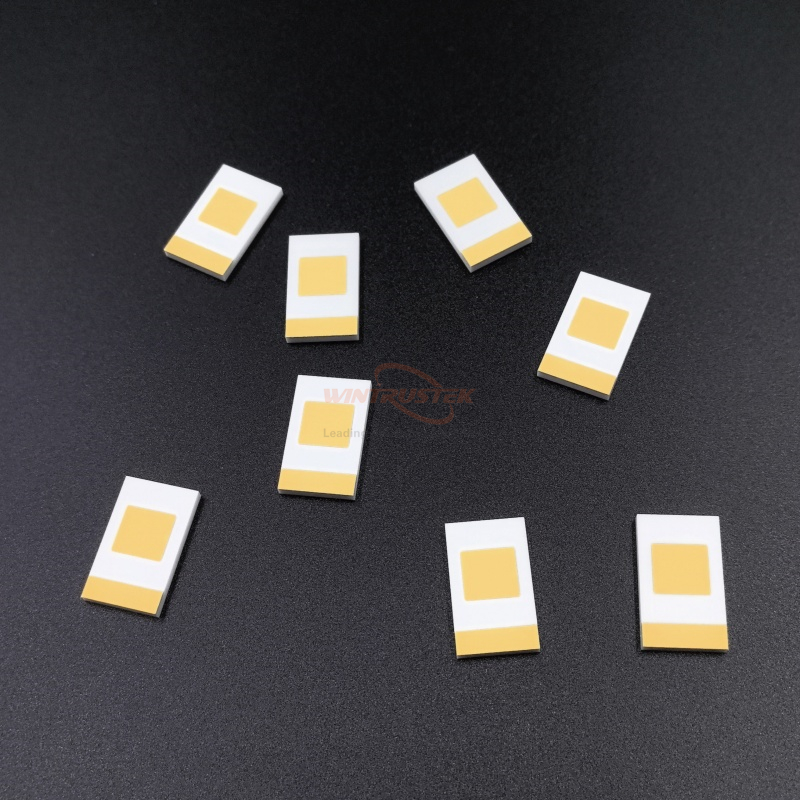
    Traditional metal-core printed circuit boards (MCPCBs) have high thermal resistance due to the required polymer insulation layer between the metal and circuit layers, making them increasingly incapable of meeting the heat dissipation needs of high-power and ultra-high-power LEDs. In contrast, ceramic substrates combine insulation and thermal conductivity, eliminating interfacial thermal resistance
    read more
  • What are the Forming Processes of Alumina Ceramic?
    2026-01-30

    What are the Forming Processes of Alumina Ceramic?

    Alumina is a more frequent name for aluminum oxide (Al2O3). It is a durable technical ceramic with an outstanding combination of mechanical and electrical characteristics. It is suitable for a wide variety of industrial applications.
    read more
  • What is Boron Nitride Ceramic?
    2026-01-23

    What is Boron Nitride Ceramic?

    Boron nitride is a sophisticated synthetic ceramic that comes in powder and solid form. Boron nitride is a genuinely exceptional material because of its special qualities, which include high heat capacity, exceptional thermal conductivity, ease of machining, lubricity, low dielectric constant, and enhanced dielectric strength.
    read more
  • Pressureless AlN vs. Hot-pressed AlN: Which Aluminum Nitride is Right for Your Application?
    2026-01-16

    Pressureless AlN vs. Hot-pressed AlN: Which Aluminum Nitride is Right for Your Application?

    Aluminum nitride is a useful material in various industrial applications due to its chemical and physical properties. However, in manufacturing, aluminum nitride is primarily separated into two types based on the sintering process: pressureless sintered aluminum nitride and hot-pressed aluminum nitride. The features and applications of these two categories differ significantly.
    read more
  • What is Boron Carbide (B4C) Powder?
    2026-01-09

    What is Boron Carbide (B4C) Powder?

    Boron carbide is one of the strongest and most durable materials available in today's environment, where performance, efficiency, and lifespan are important. It is well-known for its remarkable thermal stability, chemical inertness, and cost-effectiveness, and it has proven to be a valuable asset in a variety of industries, including manufacturing and defense.
    read more
  • What is Kovar-to-Ceramic Brazing?
    2025-12-30

    What is Kovar-to-Ceramic Brazing?

    Within the Kovar family, 4J29 is the standard and recommended material for brazing high-alumina ceramics, providing a good balance of performance, cost, and dependability. 4J33/34 is a performance improvement for particular applications that require greater operating temperatures or rigorous nonmagnetic characteristics. The brazing of Kovar with alumina ceramics, which is supported by their thermal expansion matching, has become the industry standard for hermetic packaging of high-reliability electronic and optoelectronic components.
    read more
  • What is Boron Nitride Powder?
    2025-12-26

    What is Boron Nitride Powder?

    Boron nitride powder has excellent qualities such as thermal conductivity, insulation, lubrication, high-temperature resistance, and chemical stability, making it a flexible material for dealing with a wide range of issues under extreme working circumstances in modern industry.
    read more
« 12345 ... 10 » Page 3 of 10
Copyright © Wintrustek / sitemap / XML / Privacy Policy   

Home

PRODUCTS

About Us

Contact