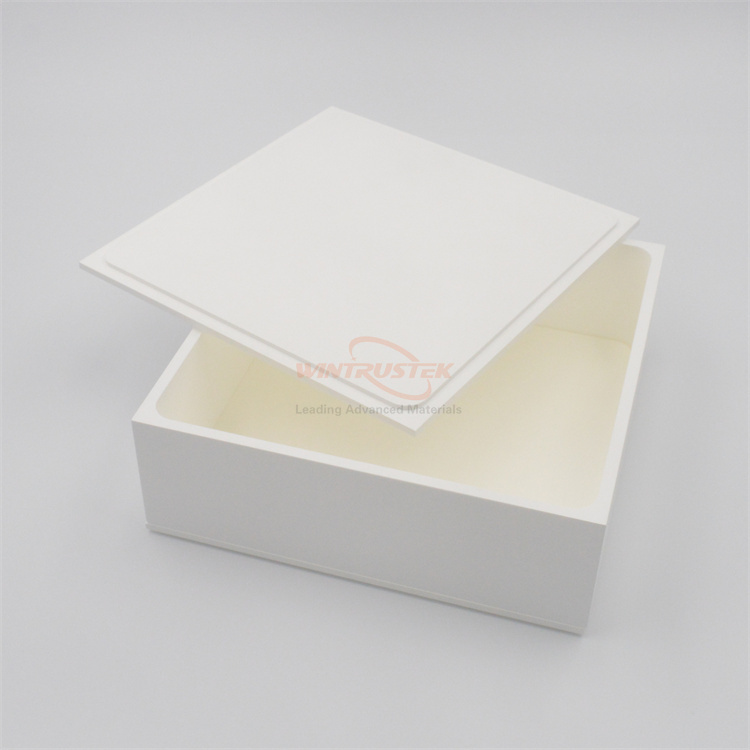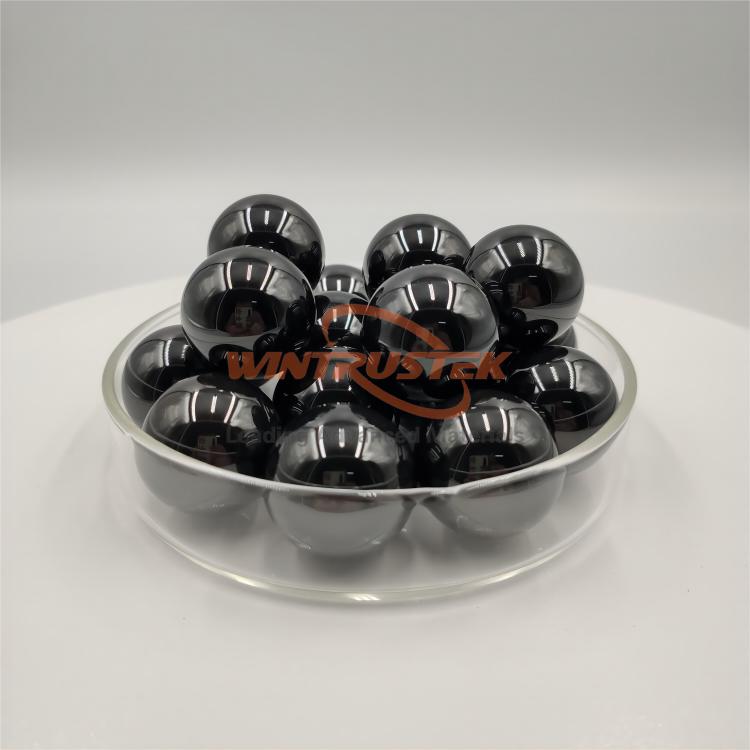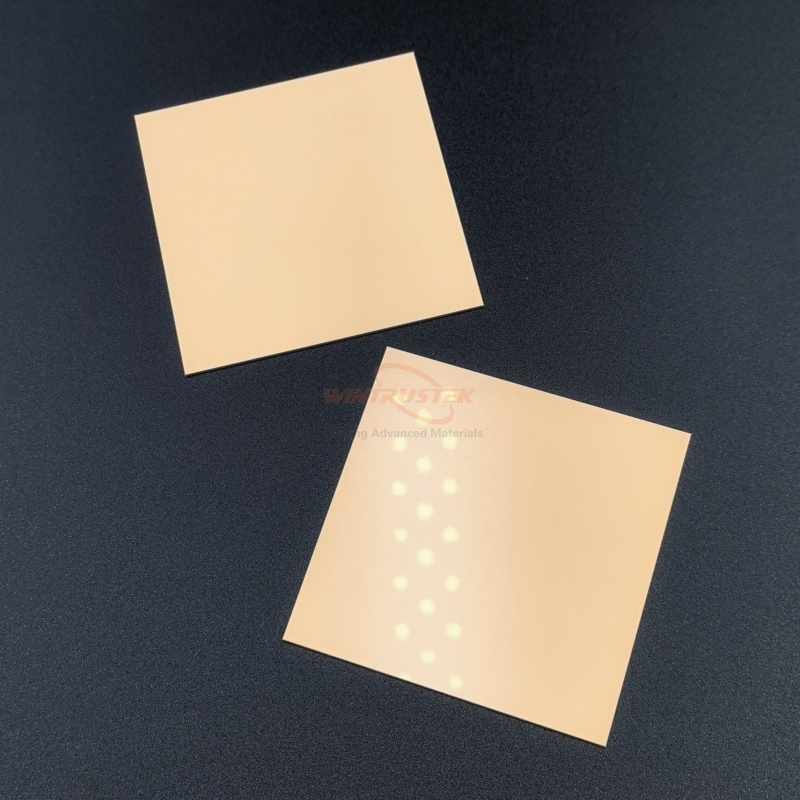
(Ceramic Substrate Produced by Wintrusetk)
LEDs are electroluminescent semiconductor devices that convert around 70% to 80% of their supplied power into heat. If this heat cannot be properly drained through the substrate, the increase in junction temperature will result in a drop in internal quantum efficiency, phosphor degradation, and an acceleration of the device's lifespan.
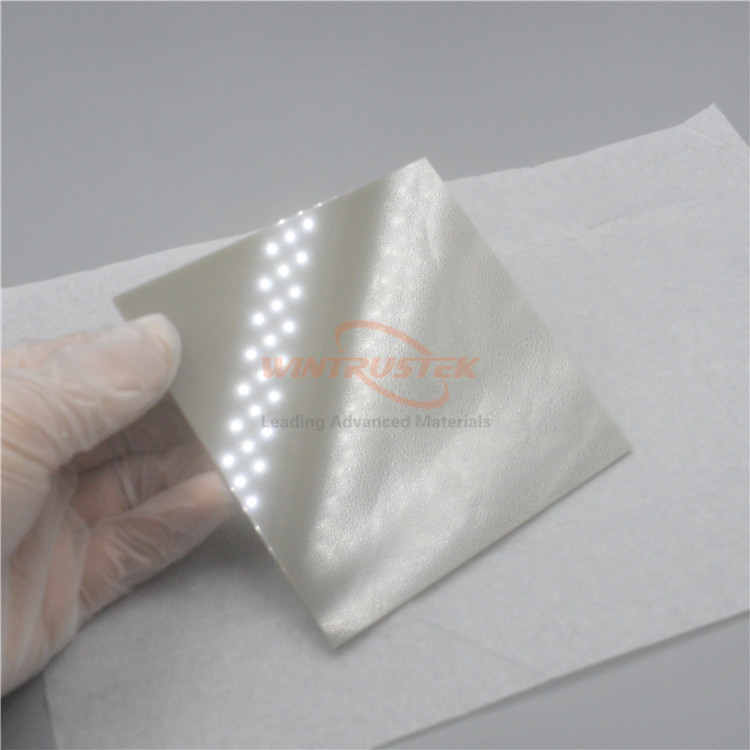
Traditional metal-core printed circuit boards (MCPCBs) have high thermal resistance due to the required polymer insulation layer between the metal and circuit layers, making them increasingly incapable of meeting the heat dissipation needs of high-power and ultra-high-power LEDs. In contrast, ceramic substrates combine insulation and thermal conductivity, eliminating interfacial thermal resistance and becoming an unavoidable trend in the industry's evolution.
Alumina ceramic is currently the most established and commonly used substrate material. It exhibits a consistent thermal conductivity of 25-30 W/m.K, good mechanical strength, and excellent dielectric characteristics.
Advantages:
Mature technology
High mechanical strength
Excellent insulation
Highly competitive cost
Applications: Widely used in general lighting, consumer electronics backlighting, and medium-power packaging modules.
For high-power COB and automotive-grade laser lighting, AlN stands out due to its extremely high thermal conductivity.
Advantages:
Thermal conductivity reaches 170-230 W/m.K, approximately eight times that of alumina
Thermal expansion coefficient is highly compatible with semiconductor materials such as silicon and silicon carbide, greatly improving the mechanical stability of devices in thermal cycling environments
Applications: Automotive headlights, industrial high-power projectors, and UVC deep ultraviolet purification equipment.
Silicon nitride addresses the technical challenge of the inherent brittleness of traditional ceramics, possessing extremely high fracture toughness and flexural strength.
Advantages:
Impact-resistant
Vibration-resistant
Good thermal conductivity
Applications: Military-grade lighting, aerospace optoelectronic equipment, and industrial-grade LED modules requiring extremely high reliability.