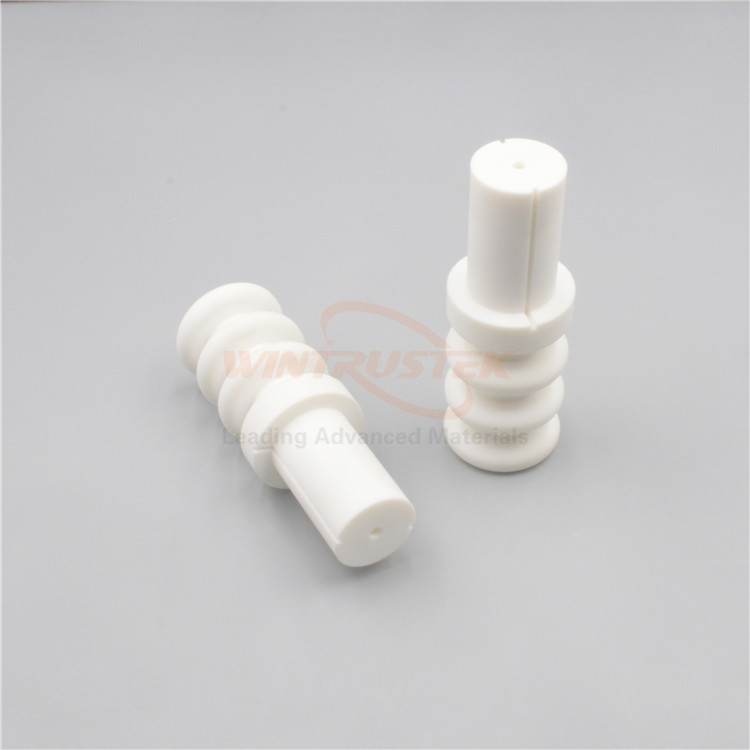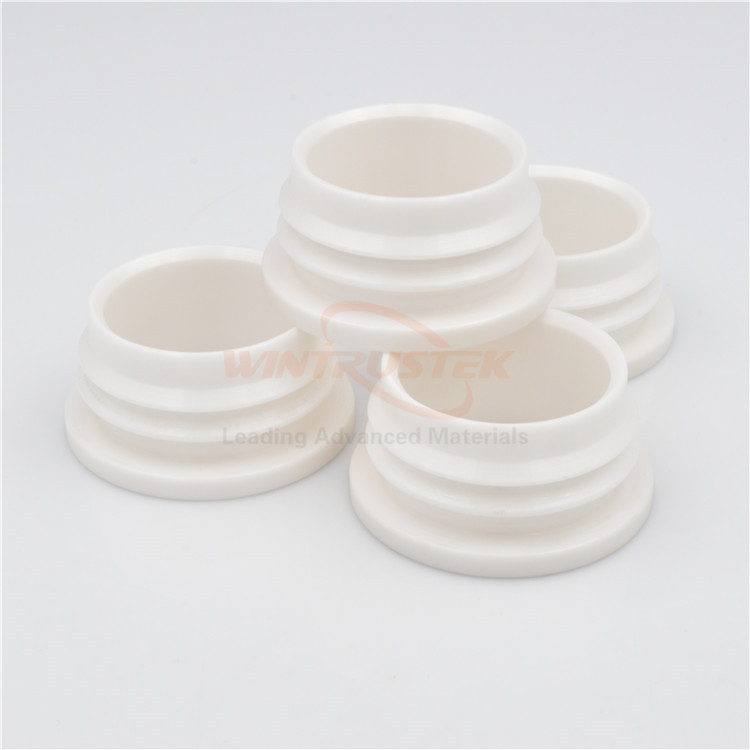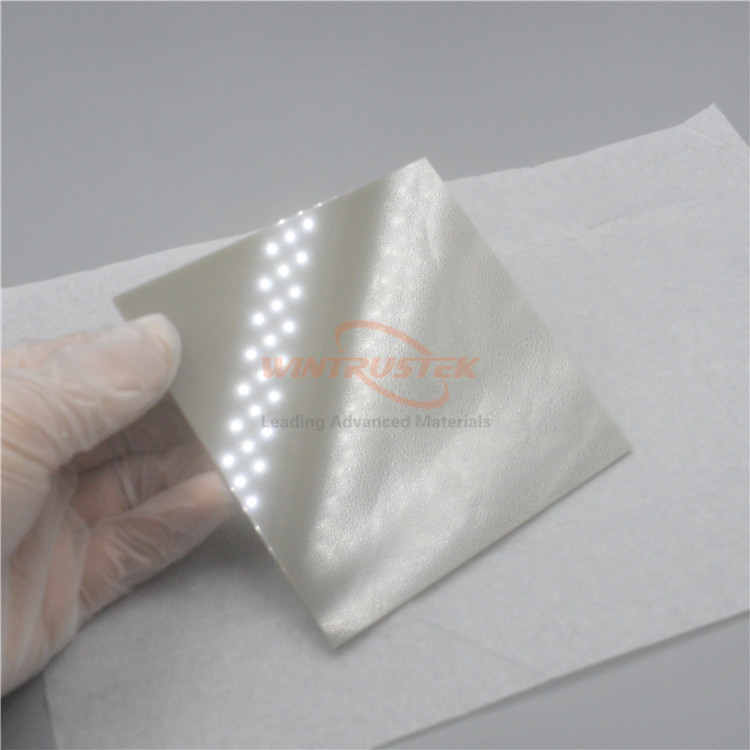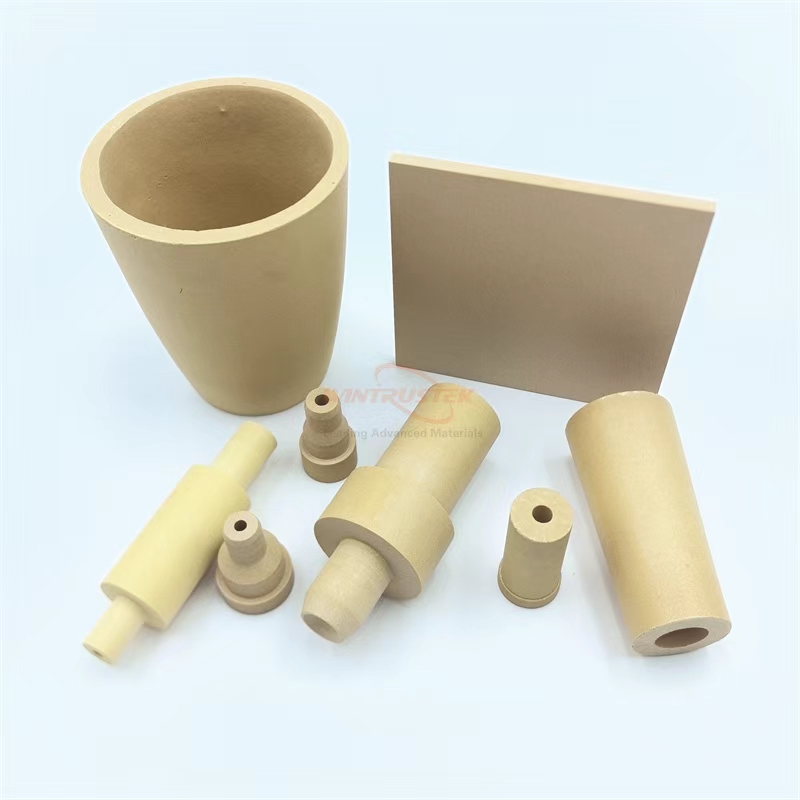
(Magnesium-stabilized Zirconia Produced by Wintrustek)
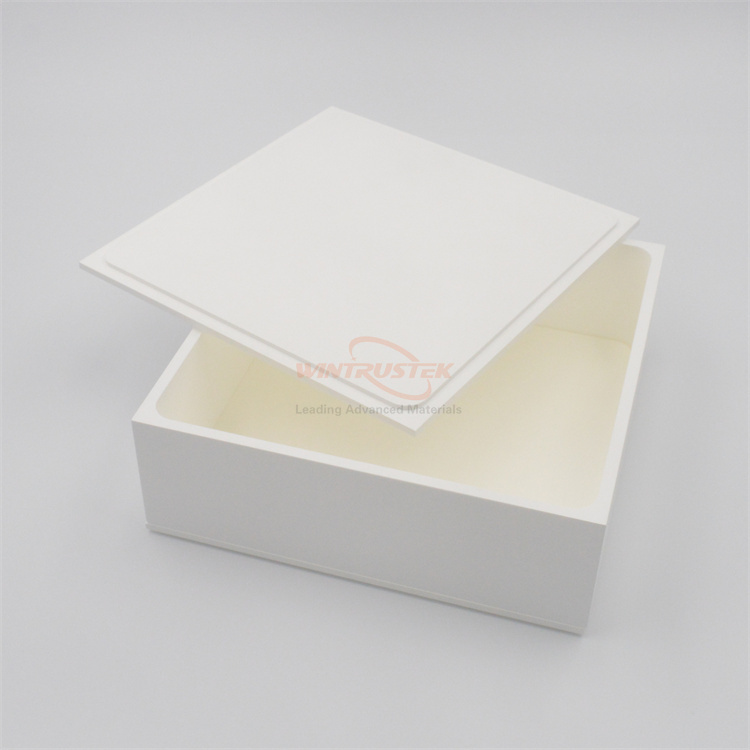
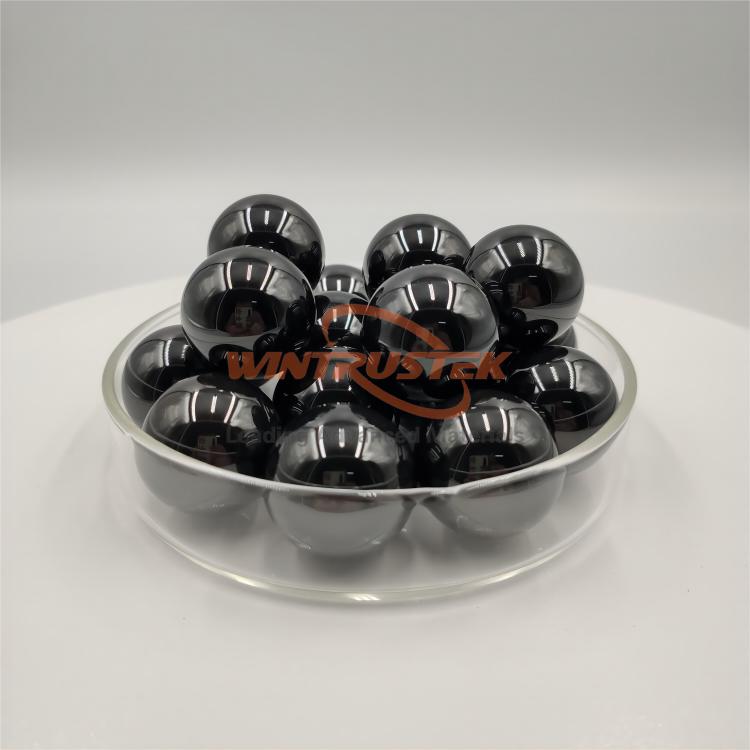
Magnesium-stabilized zirconia (Mg-PSZ, Magnesium Partially Stabilized Zirconia) is one of the most representative high-performance ceramics. Partial stabilization of zirconia (ZrO₂) with magnesium oxide (MgO) enhances toughness, strength, and thermal performance. Mg-PSZ has extensive applications in aerospace, energy, precision manufacturing, and biomedical fields.
Core Advantaged of Mg-PSZ
1. Exceptional High-Temperature Stability
Mg-PSZ can operate above 1000°C without structural collapse or phase degradation, making it ideal for gas turbines, glass furnaces, and metallurgical equipment.
2. High Toughness and Crack Resistance
Phase transformation toughening (T→M) absorbs energy during crack propagation, significantly reducing fracture risk compared to conventional zirconia or alumina ceramics.
3. Excellent Chemical Resistance
Stable in oxidative, reductive, acidic, and alkaline environments, making it suitable for chemical reactors and high-temperature furnace linings.
4. Low Thermal Expansion
Minimizes thermal stress and ensures dimensional stability at high temperatures, critical for precision components.
5. Good Machinability
Advanced sintering and microstructure control allow manufacturing of complex shapes while maintaining high performance.
Key Applications
1. High-Temperature Mechanical Components
Typical Parts: Gas turbine blades, nozzle assemblies, liners, high-temperature bearing seats, wear-resistant sliders.
Material Function: Mg-PSZ maintains high fracture toughness and wear resistance at elevated temperatures. Stress-induced tetragonal-to-monoclinic phase transformation absorbs crack energy, preventing microcrack propagation under thermal and mechanical loads.
Industrial Value: Compared with conventional alumina or pure zirconia, component lifespan can be extended by 20–40%, reducing maintenance downtime and replacement costs—critical for large-scale industrial procurement.
Additional Notes: Particularly suited for high-speed, high-temperature rotating
2. Thermal Shock-Prone Components
Typical Parts: Glass furnace nozzles, metal casting molds, heat-treatment furnace linings, ceramic nozzle pipes.
Material Function: High toughness and low thermal expansion reduce crack formation and propagation caused by rapid heating and cooling, maintaining structural stability.
Industrial Value: Minimizes production downtime and scrap rates, improving continuous production efficiency.
Additional Notes: Ideal for industrial processes with high thermal gradients, such as glass melting and metal casting operations.
3. Chemical & Metallurgical Equipment
Typical Parts: Chemical reactor linings, high-temperature metallurgical furnace walls, heat-treatment furnace linings, molten salt tanks.
Material Function: Mg-PSZ retains structural integrity in acidic, alkaline, oxidative, or reductive high-temperature environments, resisting chemical corrosion and wear.
Industrial Value: Extends the life of reactors and high-temperature furnaces, reduces maintenance frequency, and increases operational continuity.
Additional Notes: Particularly effective in high-temperature corrosive environments such as metallurgical smelting and high-temperature chemical processes.
4. Electronics & Precision Devices
Typical Parts: High-temperature sensor bases, semiconductor processing fixtures, precision optical mounts, high-temperature electrical insulators.
Material Function: Low thermal expansion ensures dimensional accuracy and geometric stability under heat; high fracture toughness prevents microstructural failure due to thermal stress.
Industrial Value: Ensures reliability of precision electronic equipment in high-temperature or chemically challenging environments, reducing calibration and replacement frequency.
Additional Notes: Suitable for temperature-sensitive industrial applications, including semiconductor manufacturing, high-precision sensors, and optical instruments.
5. Automotive & Energy Applications
Typical Parts: High-temperature burner components, exhaust ceramic sleeves, heat recovery system parts, gas boiler linings.
Material Function: High-temperature stability and thermal shock resistance minimize crack formation and wear in critical components, ensuring long-term operational reliability.
Industrial Value: Enhances efficiency and lifespan of engines and combustion systems, lowers maintenance costs, and is highly attractive for international automotive and energy equipment procurement.
Additional Notes: Ideal for continuous high-temperature operations in gas turbines, industrial burners, and energy recovery systems.
Summary
Through systematic optimization of sintering temperature, grain distribution, and material densification, Mg-PSZ components have achieved a 40–50% improvement in thermal shock life. This optimization not only enhances resistance to crack initiation and propagation under high-temperature cycling, but also significantly improves chemical durability in acidic and alkaline environments.
In critical industrial applications—such as aerospace turbine blades, gas turbine nozzles, chemical reactor linings, and metallurgical furnace walls—these optimized components maintain reliable performance under extreme mechanical stress, rapid thermal cycling, and corrosive conditions, dramatically reducing equipment downtime and maintenance costs.
This practical experience demonstrates that Mg-PSZ, as a high-performance structural ceramic, delivers reliable, long-lasting performance in aerospace, energy, and chemical industries, and serves as a proven material solution for future high-temperature, high-load industrial applications.