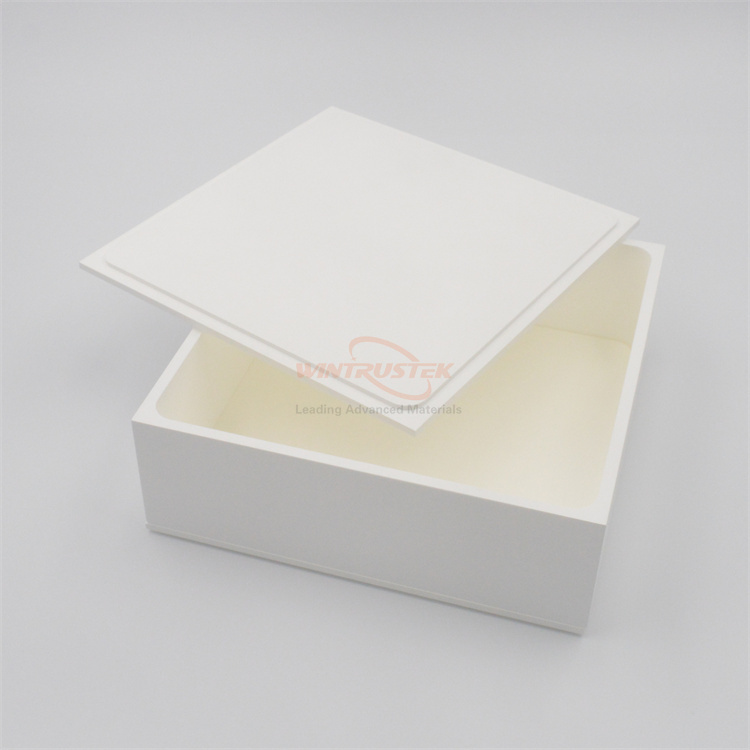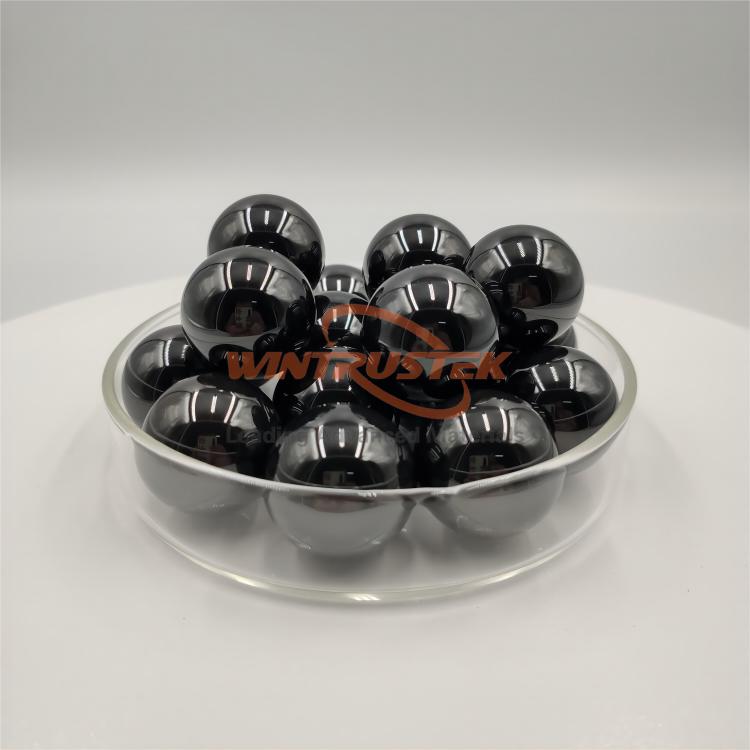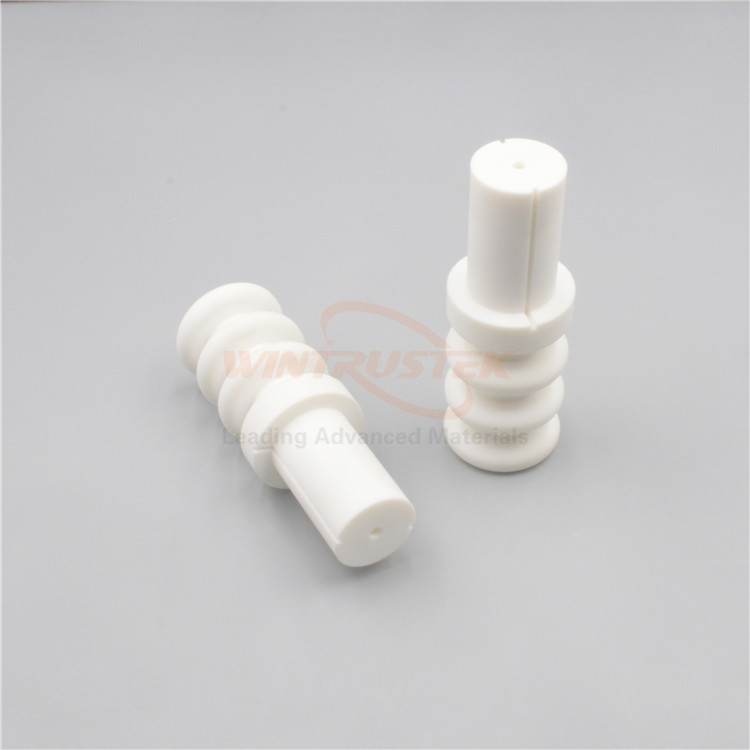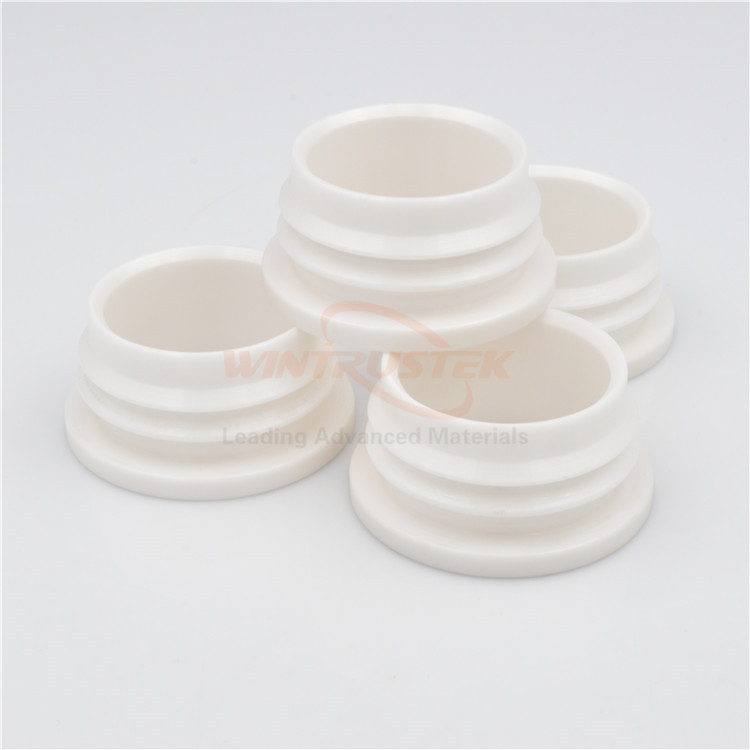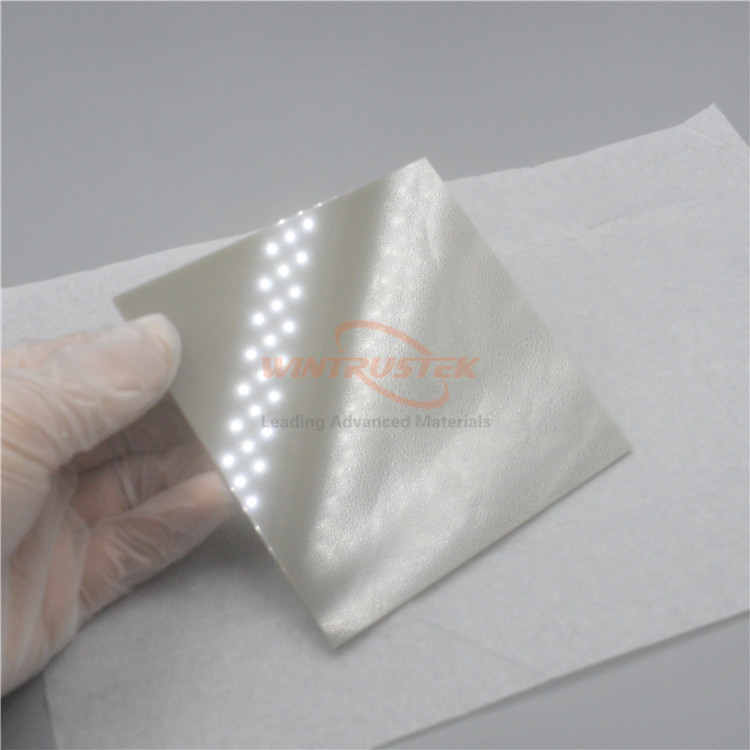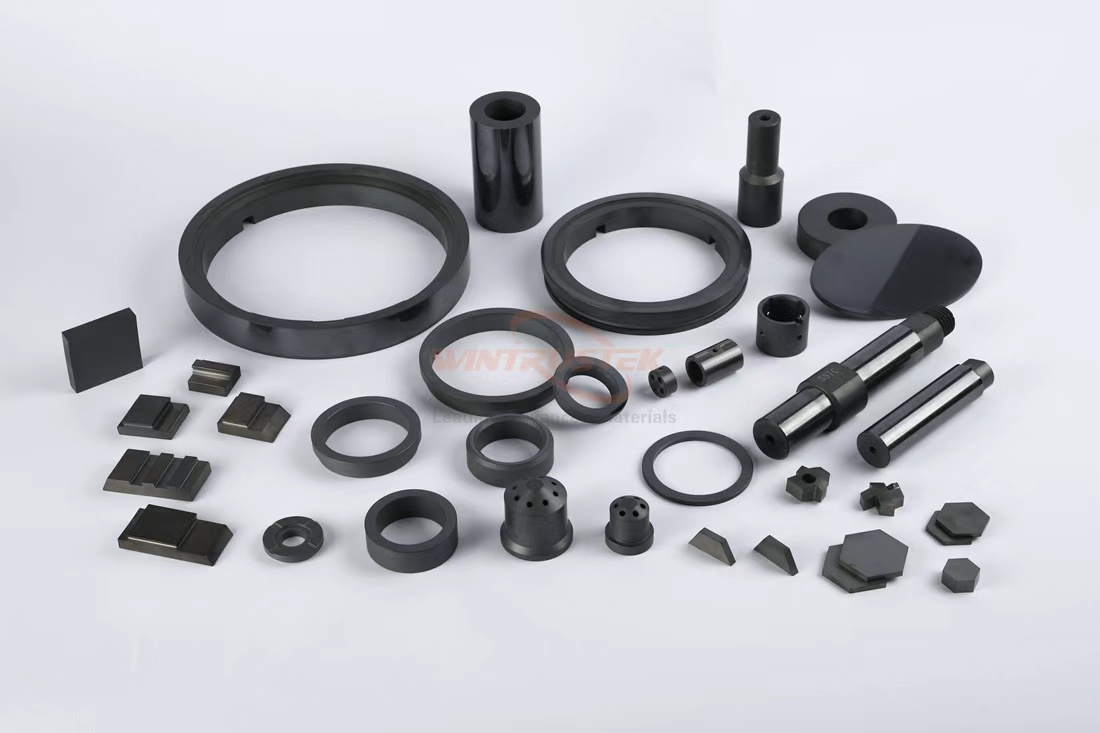
(SiC Parts Produced by Wintrustek)
In many RFQs and drawings, we often see:
Material: Silicon Carbide (SiC)
From an engineering perspective, this is not sufficient.
Because SiC is not a single material, but a family of materials with different microstructures, purity levels, and performance characteristics.
If the grade is not properly selected, common issues may occur:
Thermal cracking under cycling
Corrosion-related degradation
Premature wear
Dimensional instability at high temperature
Inconsistent performance across suppliers
1. Start with the dominant failure mechanism
Material selection should always begin with understanding the real operating challenge:
Abrasive wear (e.g., nozzles, grinding media)
Chemical corrosion (e.g., seals, pumps)
Thermal shock or rapid temperature changes
High-temperature dimensional stability
Different failure modes require different material solutions.
Contains residual silicon phase
Suitable for complex shapes and larger components
Cost-effective, but limited corrosion resistance in some environments
Typical applications: kiln furniture (beams, rollers, plates), burner nozzles, heat exchanger tubes, desulfurization nozzles, and wear-resistant components for material handling systems
High purity, no free silicon
Superior corrosion resistance and mechanical strength
Preferred for demanding chemical and high-performance applications
Typical applications: mechanical seal rings, pump components, semiconductor processing parts, chemical processing equipment, and high-performance wear-resistant parts.
Controlled porosity
Used for filtration or vacuum applications
Lower strength but functional permeability
Typical applications: molten metal filtration, diesel particulate filters (DPF), vacuum chucks, gas distribution plates, and catalyst supports
Evaluate:
Temperature range and gradients
Chemical exposure
Mechanical load and wear conditions
Tolerance and dimensional stability requirements
For example:
SSiC is often preferred in aggressive chemical environments,
while RBSiC may be sufficient for wear-dominant, cost-sensitive applications.
Porous SiC is typically selected when permeability and controlled flow are required, while dense SiC grades such as SSiC or RBSiC are preferred for structural components where higher mechanical strength and sealing performance are needed.
SSiC is commonly used in high-purity or semiconductor-related processes, while RBSiC is more suitable for large industrial components where complex shapes, thermal stability, and cost efficiency are important.
Even within the same SiC grade, performance can vary due to:
Density and microstructure
Sintering or bonding process control
Machining precision and surface quality
You are not just buying a material—
you are buying a material + process + consistency system.