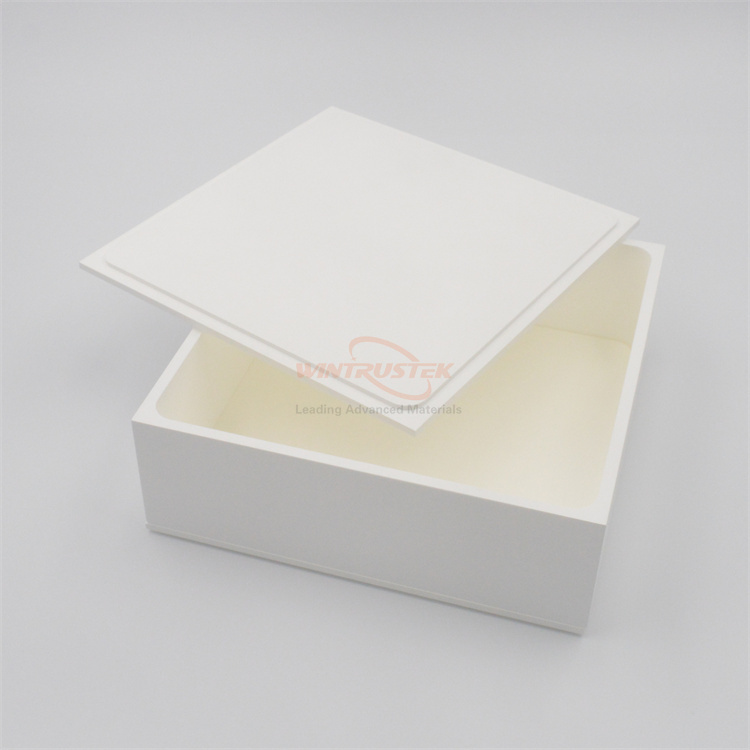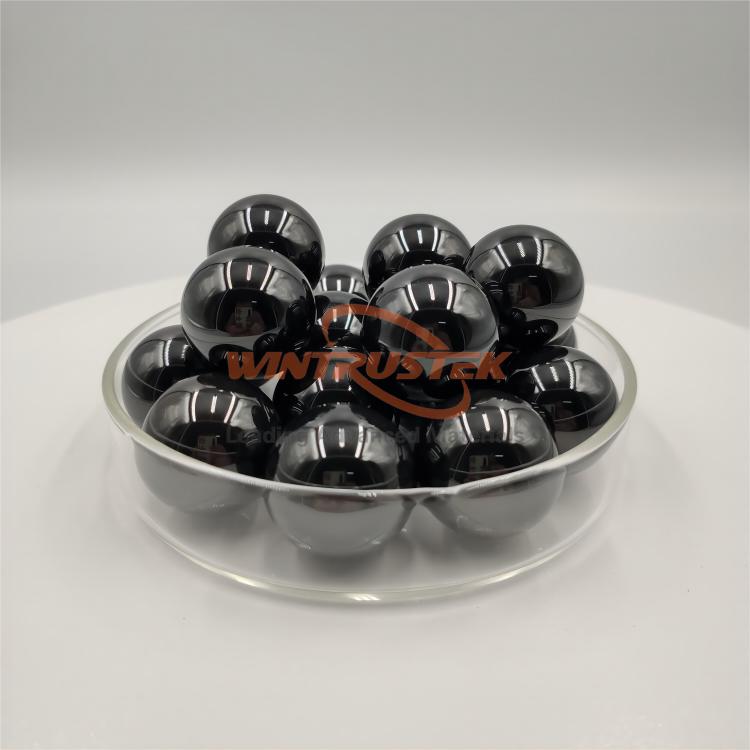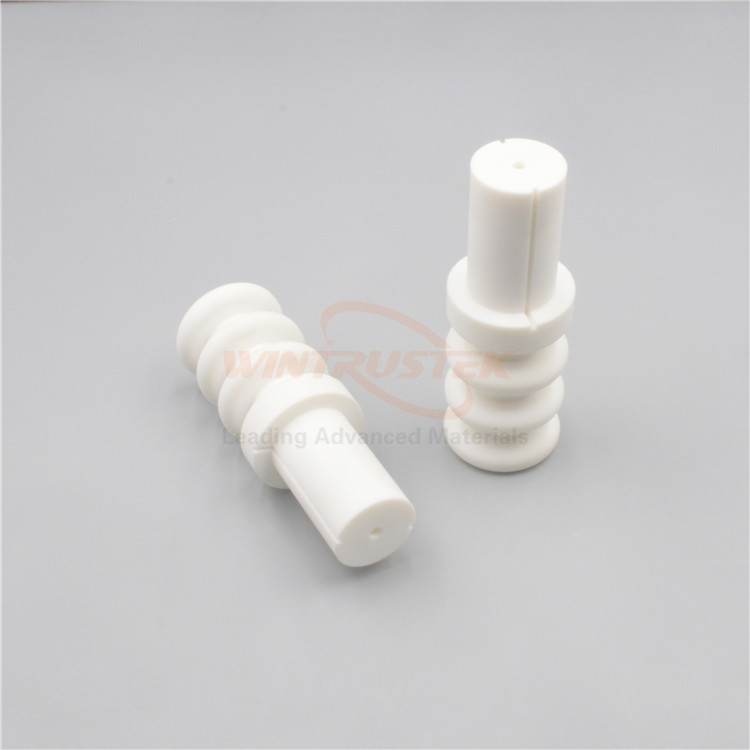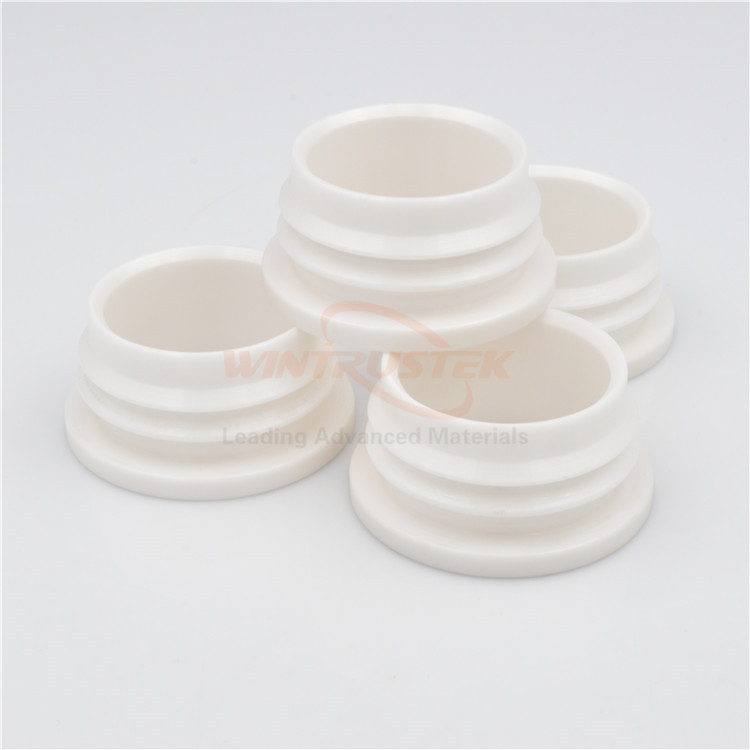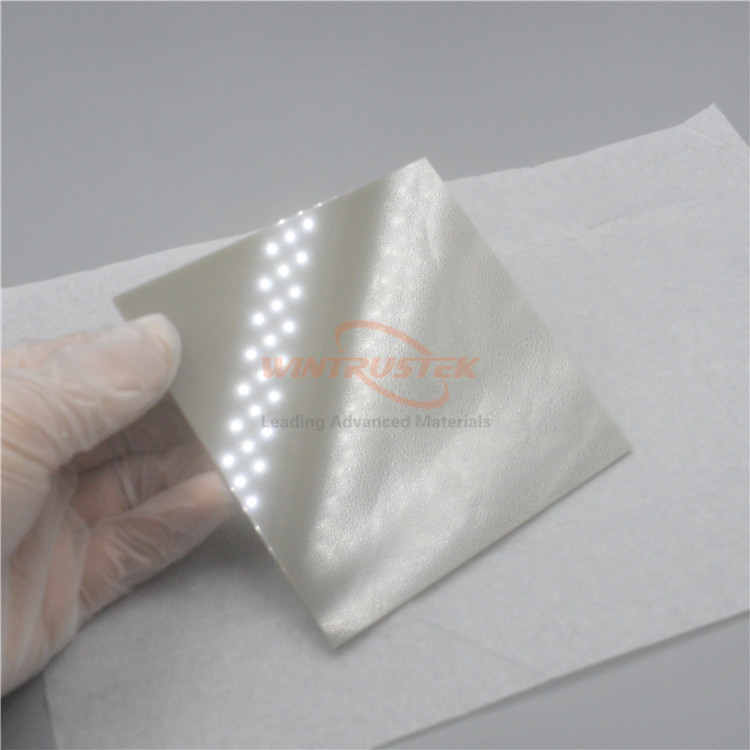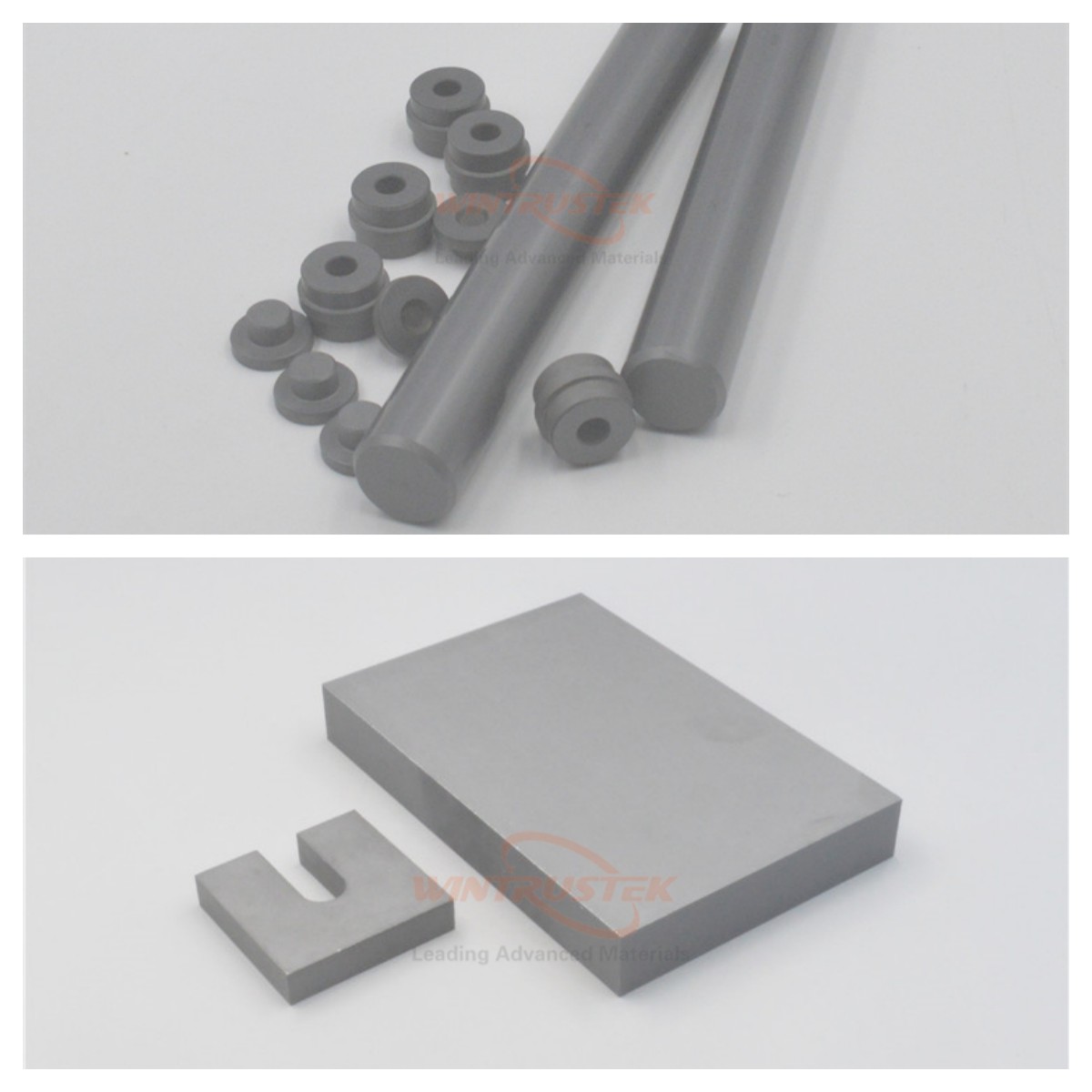
(SiC and B4C Produced by Wintrustek)
Engineers, designers, and procurement managers must make a key decision when selecting the appropriate advanced ceramic material. Boron carbide (B4C) and silicon carbide (SiC) are popular technical ceramics due to their high hardness, thermal stability, and resistance to severe conditions. However, they serve quite different purposes—and selecting the wrong one can have an impact on cost, durability, and overall system performance.
This detailed overview compares boron carbide with silicon carbide in terms of features, uses, benefits, and costs to help you decide which ceramic material is ideal for your unique project.
1. Overview of the Two Materials
Boron carbide is one of the hardest known materials, ranking only behind diamond and cubic boron nitride. It is highly lightweight, chemically inert, and commonly utilized in high-performance protective and wear-resistant applications.
Silicon carbide is well-known for its high hardness, thermal conductivity, and superior thermal shock resistance. It is the workhorse of engineering ceramics and is often less expensive than boron carbide.
| Property | Boron Carbide(B4C) | Silicon Carbide(SiC) |
| Density | Very low (~2.52 g/cm³) | Low/moderate (~3.1 g/cm³) |
| Hardness | Extremely high (≈ 30 GPa) | Very high (≈ 25–28 GPa) |
| Wear Resistance | Excellent | Very good |
| Fracture Toughness | Lower (more brittle) | Higher (better shock resistance) |
| Thermal Conductivity | Moderate | Very high (excellent heat dissipation) |
| Chemical Resistance | Outstanding | Excellent |
| Ballistic Performance | Superior | Good but heavier |
| Cost | Higher | More cost-effective |
3. When to Choose Boron Carbide
3.1 For Weight-Critical Applications
Boron carbide is one of the lightest technical ceramics, making it perfect for weight reduction without compromising hardness.
3.2 For High-Level Ballistic Protection
B4C is the best choice for:
Body armor plates
Security shields
Vehicle armor
Protection for helicopter and aircraft
Its unparalleled toughness enables it to block high-velocity bullets with minimum weight.
3.3 For Extreme Abrasion Environments
Boron carbide excels at:
Industrial wear parts
Slurry pumping components
Sandblasting nozzles
Nuclear engineering applications
Its wear resistance frequently results in a longer lifespan than SiC in the worst situations.
4. When to Choose Silicon Carbide
4.1 For High Thermal Conductivity Applications
Silicon carbide is suitable for:
Furnace parts
Heat exchangers
Semiconductor processing equipment
It quickly dissipates heat and can withstand extreme temperature swings without cracking.
4.2 For Cost-Sensitive Industrial Projects
SiC is popular because it provides good performance at a lower cost:
Nozzles
Bearings
Mechanical seals
Kiln furniture
Automotive components
4.3 For Situations Requiring Higher Toughness
SiC is less brittle than B₄C, making it more durable against impacts, vibrations, and thermal cycling.
5. Cost Comparison
While actual pricing depends on purity, size, and the manufacturing process:
Boron carbide is much more expensive due to raw material costs and sophisticated sintering.
Silicon carbide is more cost-effective, particularly for big components or high-volume manufacture.
B₄C is the top choice for achieving maximum performance at any cost.
If the performance-to-price ratio is important, SiC is usually the top choice.
6. Industries That Benefit from Each Material
Defense and security
Industrial wear parts
Nuclear energy
Mining and blasting
Lightweight aerospace protection
Semiconductor manufacturing
Metallurgy
Automotive and EVs
Energy and Power Generation
Chemical process
7. Which Material Should You Choose?
Select Boron Carbide if your application demands
Optimal hardness
Lightest feasible weight
Excellent abrasion resistance
Superior ballistic performance
Corrosion resistance in severe settings
Select Silicon Carbide if your application demands
Lower material costs
High thermal conductivity
Improved fracture toughness
Resistance to thermal shock
Large or complexly formed portions
8. Conclusion
Both boron carbide and silicon carbide are high-performance advanced ceramics, yet they excel in distinct areas.
Boron carbide is unparalleled in hardness, weight reduction, and ballistic performance, making it excellent for armor and high-wear settings.
Silicon carbide has excellent thermal stability, toughness, and cost-effectiveness, making it an ideal material for industrial and high-temperature applications.
The best ceramic for your application is determined by its specific requirements. For many applications, balancing weight, hardness, thermal behavior, toughness, and budget is critical to selecting the best material.