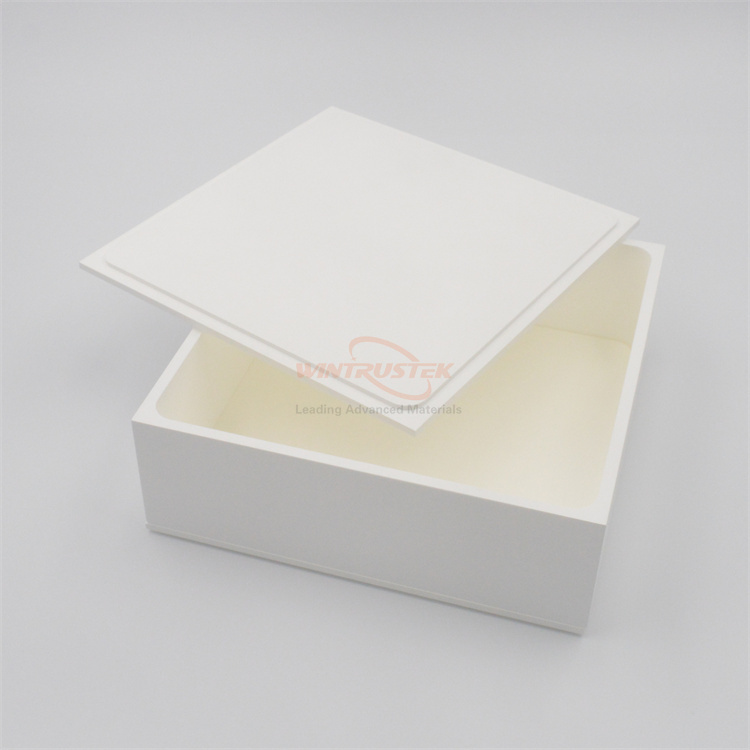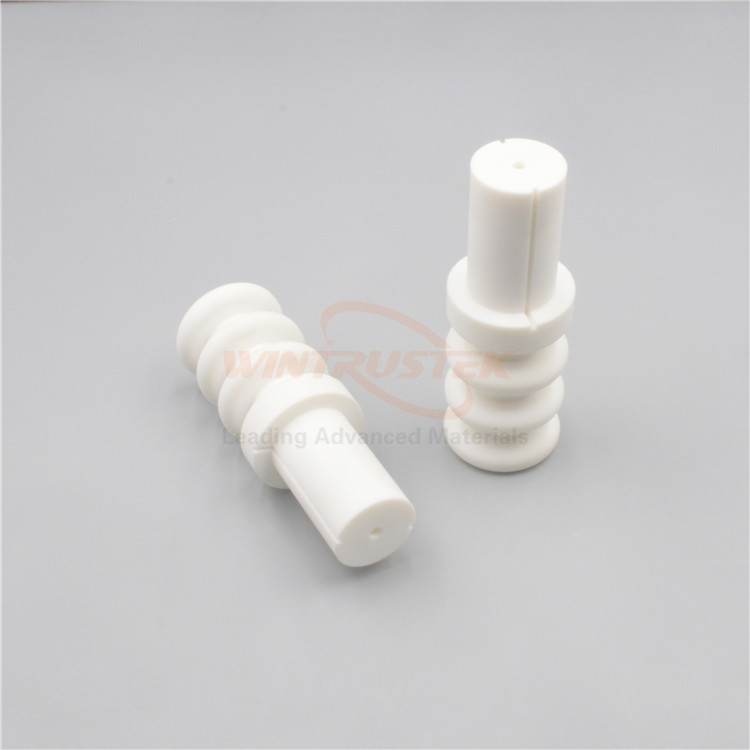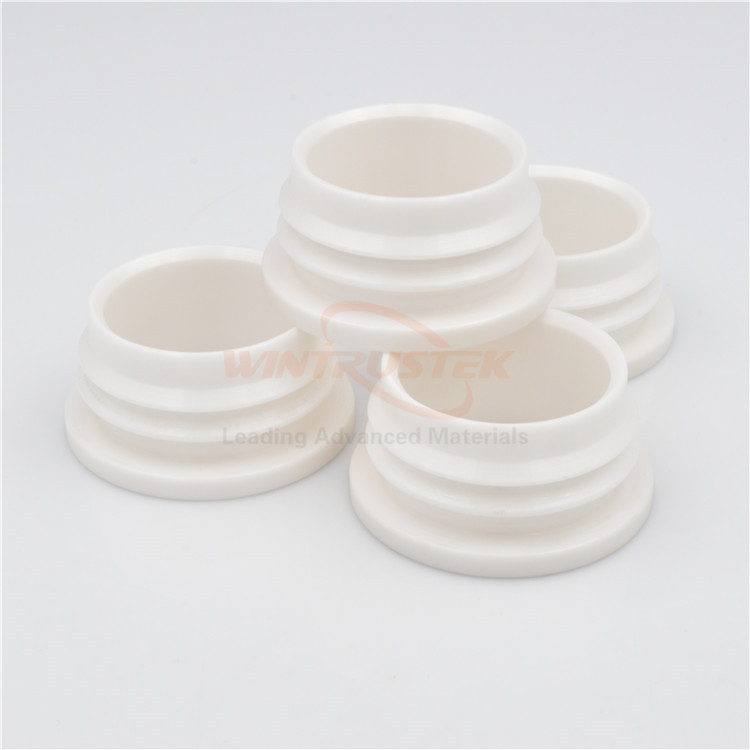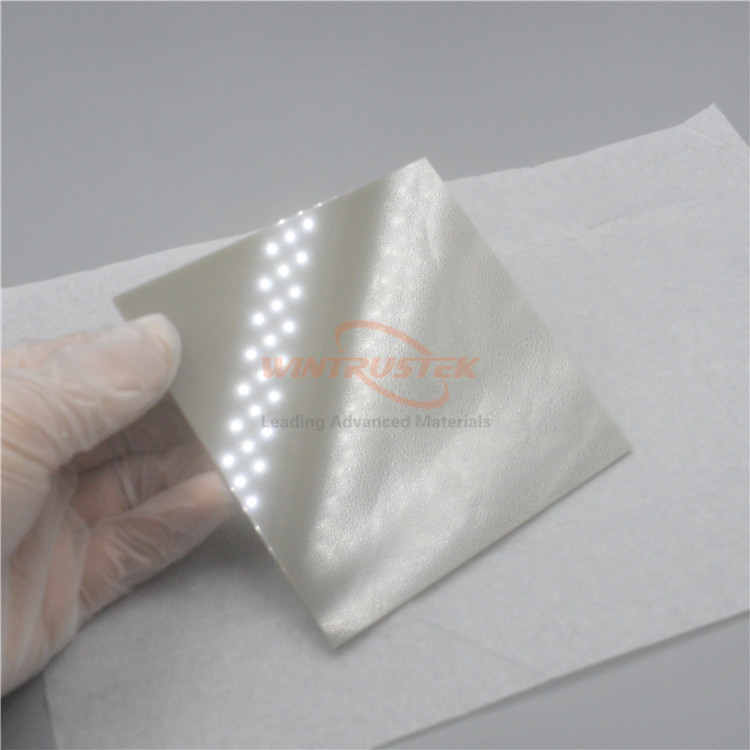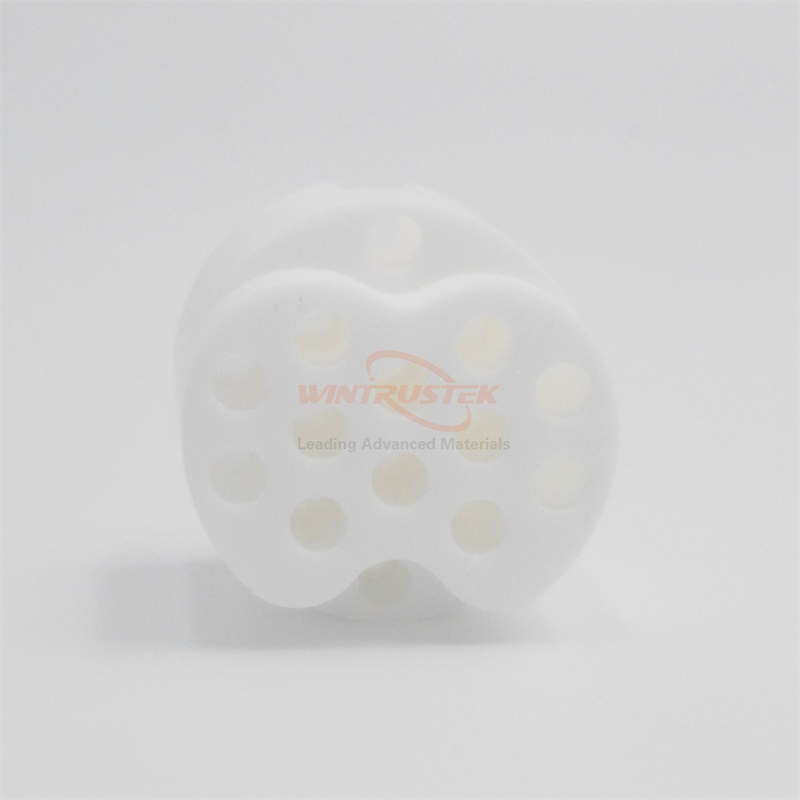
(Macor Part Produced by Wintrustek)
In the field of materials science, we frequently face a dilemma: many high-performance ceramics have exceptional high-temperature resistance, electrical insulation, and chemical stability, but their extreme hardness makes them difficult to machine, necessitating expensive diamond tools and lengthy post-processing times. Metallic materials, on the other hand, are easy to process but have poor resistance to high temperatures, electrical insulation, and corrosion.
Is there a material that offers the best of both worlds? The answer is yes—Macor machinable glass ceramic.
Macor machinable glass ceramic brings together the flexibility of a strong plastic, the ease of shaping like metal, and the effectiveness of a high-tech ceramic. It is a glass-ceramic hybrid with unique features from both material families. Macor is an excellent electrical and thermal insulator, with good performance in high-temperature, vacuum, and corrosive conditions.
Macor machinable glass ceramic has a continuous use temperature of 800ºC and a maximum temperature of 1000℃. Its coefficient of thermal expansion is comparable to most metals and sealing glasses. Macor is non-wetting, has no porosity, and, unlike ductile materials, will not deform. It is a great insulator at high voltages, frequencies, and temperatures. When correctly baked, it does not outgas in vacuum settings.
It can be swiftly and economically machined into complex shapes and precision pieces using standard metalworking tools, and there is no need for post-machining firing. This means no annoying delays, no expensive hardware, no post-fabrication shrinkage, and no pricey diamond tools to fulfill specifications.
Advantages:
Tight tolerance capacity
Zero porosity
Radiation-resistant
Macor is strong and stiff; unlike high temperature polymers, it does not creep or deform
Will not outgas in a vacuum environment
Low thermal conductivity; effective high-temperature insulator
Excellent for high voltages and a wide range of frequencies
Electrical insulator, particularly at high temperatures
Can be machined using standard metalworking tools
Does not require firing after machining
Continuous usage temperature of 800°C; maximum temperature of 1000°C
The coefficient of thermal expansion easily matches most metals and sealing glasses.
Superior dimensional stability in a wide range of conditions (heat, radiation, etc.)
Application:
Semiconductor Manufacturing: Used in wafer processing equipment as insulating fixtures, heater bases, vacuum suction cups, and other components that can endure plasma erosion and high temperatures.
Aerospace and Defense: Used in radar wave-transparent windows, insulating components for missile guidance systems, structural elements for space observatories, and other applications requiring lightweight construction, high stability, and harsh environment resistance.
Scientific Research and High-energy Physics: Insulating supports and feedthrough insulators are used in particle accelerators and vacuum chambers to maintain high vacuum purity.
Medical and Biotechnology: Because of its sterilizability, nonmagnetic characteristics, and great biocompatibility, it is used as an insulator in medical imaging equipment (e.g., X-ray devices) and surgical robots.
Industrial Applications: Used as observation windows for high-temperature furnaces, insulation for induction heating equipment, and reference blocks for precision measurement systems.