The electron source is the core of the system in the high resolution electron microscopy (SEM and TEM), electron beam lithography and surface analysis equipment. For decades the ordinary tungsten hairpins were the norm. But hexaboride cathodes were the better choice when the applications needed better resolution, smaller energy spread, and better beam stability.
The industry today relies on two primary thermionic emitters, Lanthanum Hexaboride (LaB6) and Cerium Hexaboride (CeB6). Both 10 times as luminous as tungsten , but they have different thermionic and chemical properties that determine how they behave in various vacuum settings .
At Wintrustek we often work with equipment makers and academics to help them make these very material trade-offs. Here is a full review of the performance, life and operating differences between LaB6 and CeB6 cathodes.
1. The main advantage of hexaborides
LaB6 and CeB6 are refractory ceramic compounds with an unusually low work function (about 2.6-2.7 eV). This low work function means it requires substantially less thermal energy to emit electrons than tungsten, which has a work function of ~4.5 eV.
Hexaboride cathodes operate at lower temperatures (usually between 1700 K and 1900 K) and produce a substantially brighter, highly concentrated and stable electron beam. This directly results in crisper images at high magnifications and higher signal-to-noise-ratios.
2. LaB6 (Lanthanum Hexaboride) : The Tried and True
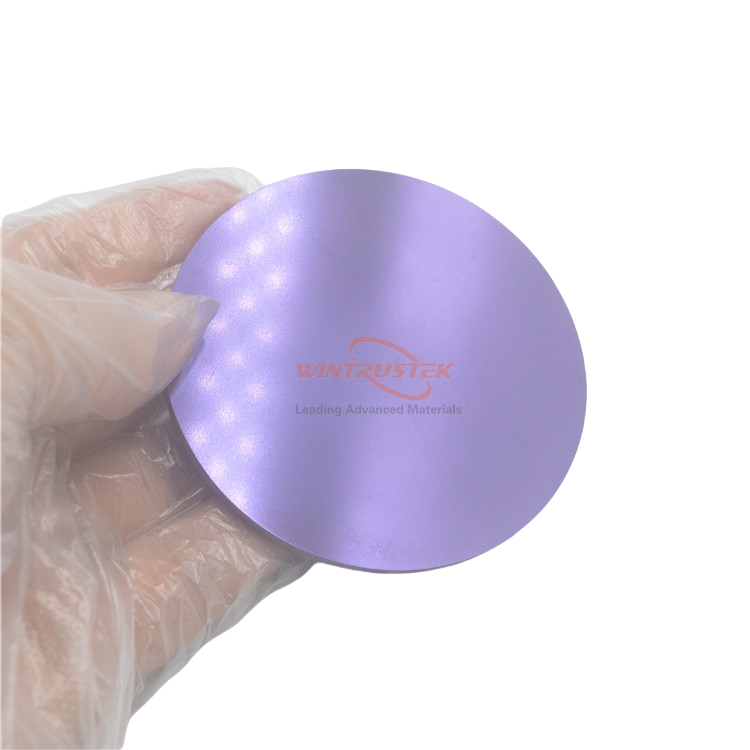
(Lanthanum Hexaboride Ceramic Disc)
LaB6 has been the industry standard for high performance electron sources for years. Good atmosphere gives it good brightness and long service life.
The Vacuum Dependency The biggest disadvantage of LaB6 is its sensitivity to the environment. LaB6 needs a stringent high vacuum (usually 10^-7 Torr or better) to work properly and not degrade quickly.
Contamination Risks: LaB6 is very vulnerable to oxidation and carbon contamination in less than perfect vacuums. Carbon contamination can change the work function of the tip, resulting in instability of emission and a very limited lifetime.
3. CeB6 (Cerium Hexaboride): The Next Generation Emitter
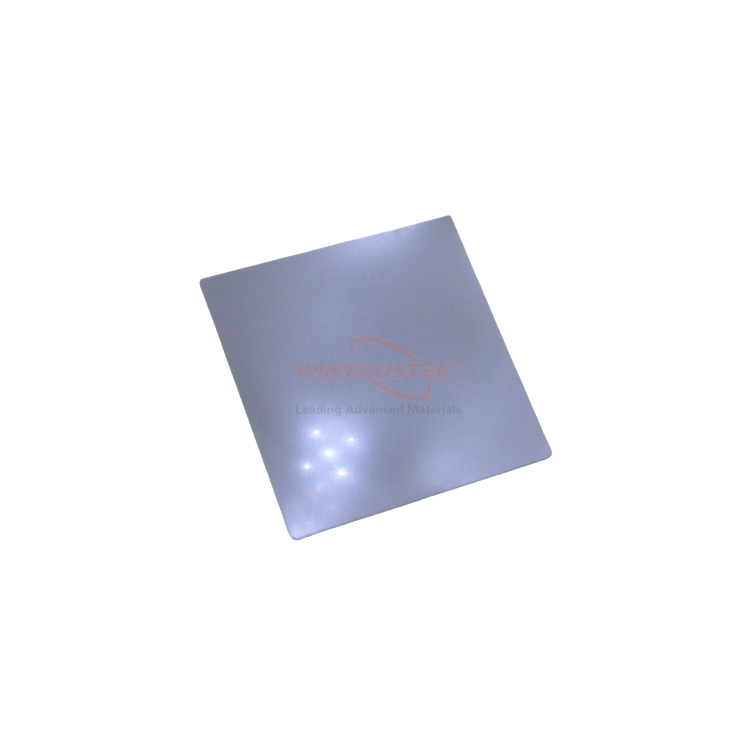
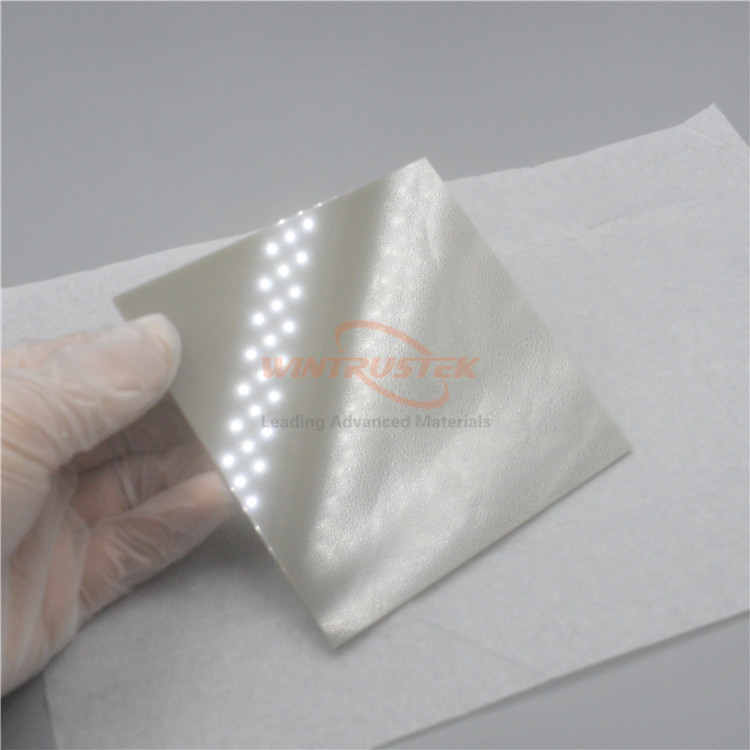
(Cerium Hexaboride Ceramic Plate)
In modern electron beam equipment, CeB6 is slowly replacing LaB6. Cerium Hexaboride offers the same work function as LaB6, but its unique chemical stability benefits make it a better alternative for many modern applications.
Extended Life Span: The evaporation rate of CeB6 is much less than LaB6 under normal working temperature. Thus, it is easy for a CeB6 cathode to outlast a LaB6 cathode in general, which can give an operational lifetime of 1.5 to 2 times longer.
Contamination Resistance. This is CeB6’s real strength. It is very resistant to carbon contamination. The CeB6 cathode keeps its original work function under the normal vacuum conditions with the presence of carbon or moisture, and gives a very stable beam current for a long time.
The Wintrustek Standard: These cathodes are grown as single crystal, very high purity, and machined to exceptional geometric precision. Wintrustek offers the highest quality, perfectly machined CeB6 and LaB6 crystals, with the best tip shaping, increasing the emission symmetry and the inherent lifespan of the material.
Summary: LaB6 vs CeB6 selection matrix
Wintrustek has provided some basic operational comparisons below to assist you narrow down your component selection:
Feature / Requirement | Lanthanum Hexaboride (LaB6) | Cerium Hexaboride (CeB6) |
Work Function | ~ 2.66 eV | ~ 2.65 eV |
Evaporation Rate | Moderate | Low (Slower degradation) |
Typical Lifespan | Long (when in perfect vacuum) | Very Long (Often 1.5x - 2x of LaB6) |
Carbon Contamination | High risk of poisoning/instability | Highly Resistant |
Beam Stability | High | Extremely High (Even in imperfect vacuums) |
Best Suited For... | Legacy systems with pristine UHV | Modern SEM/TEMs, systems with frequent chamber venting |