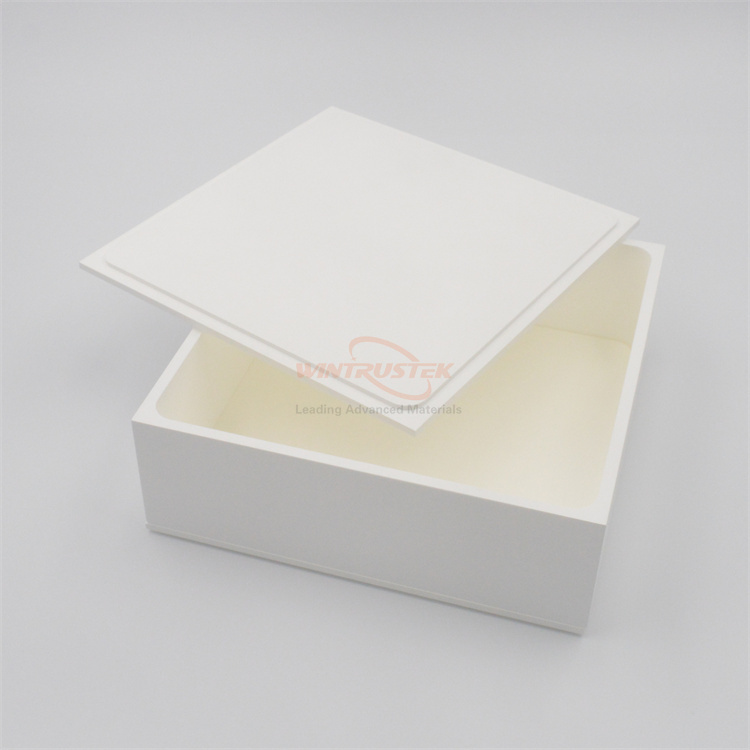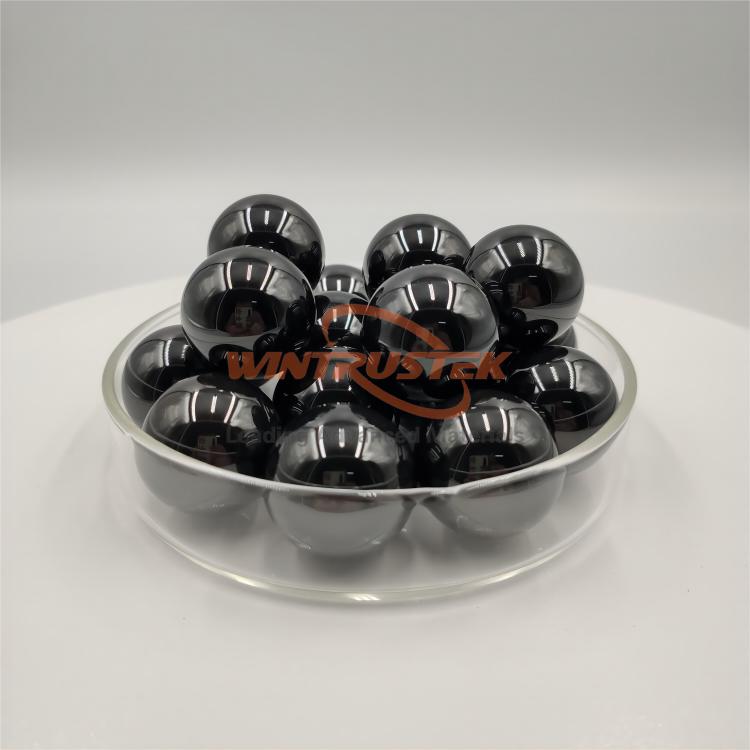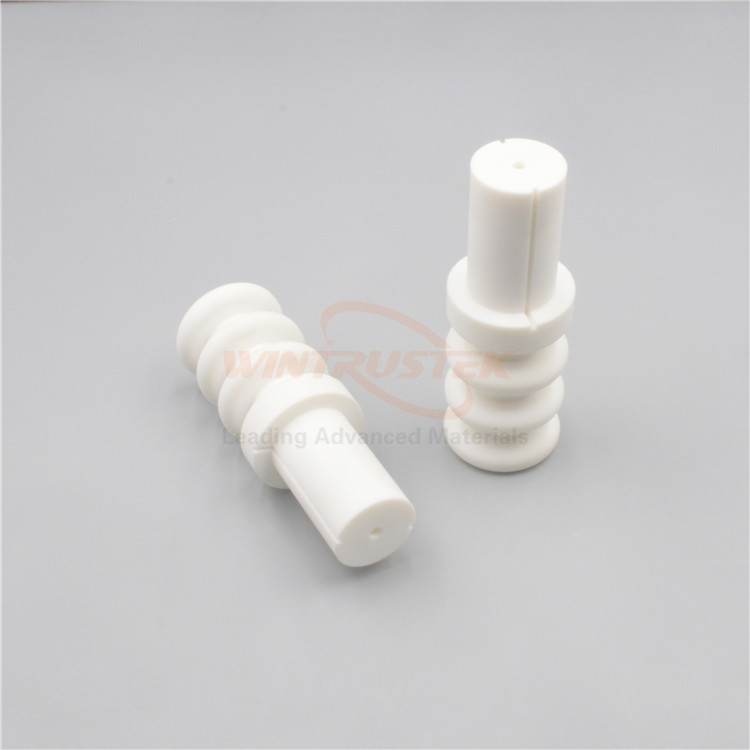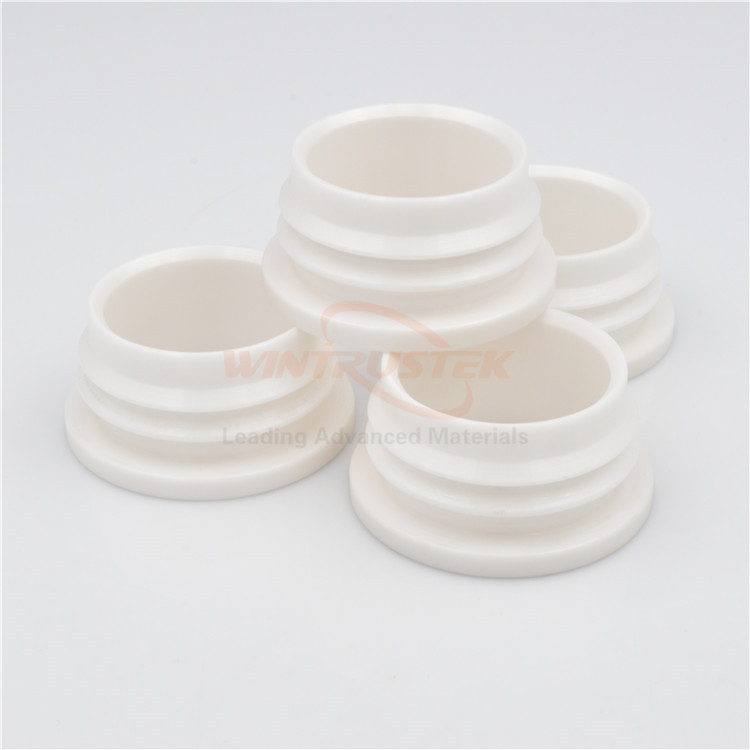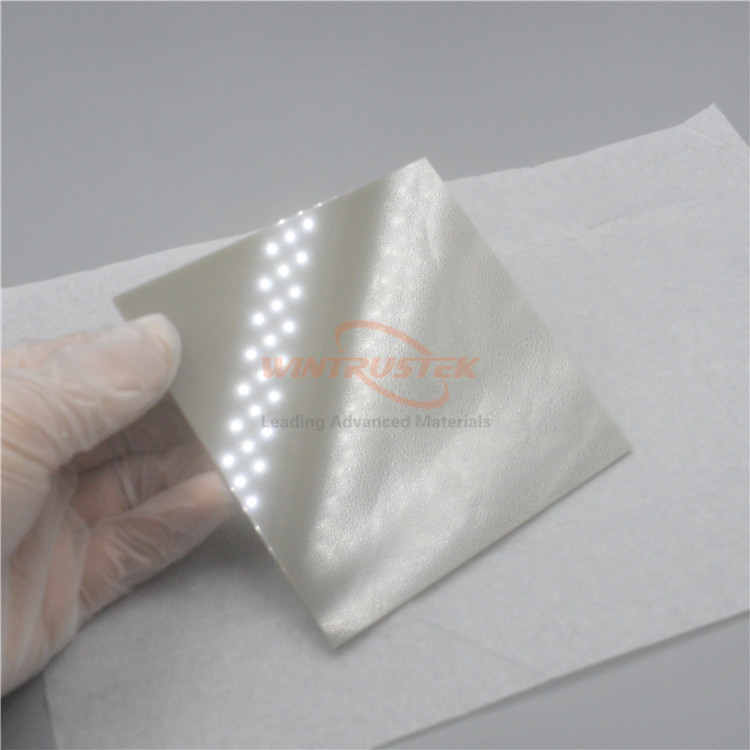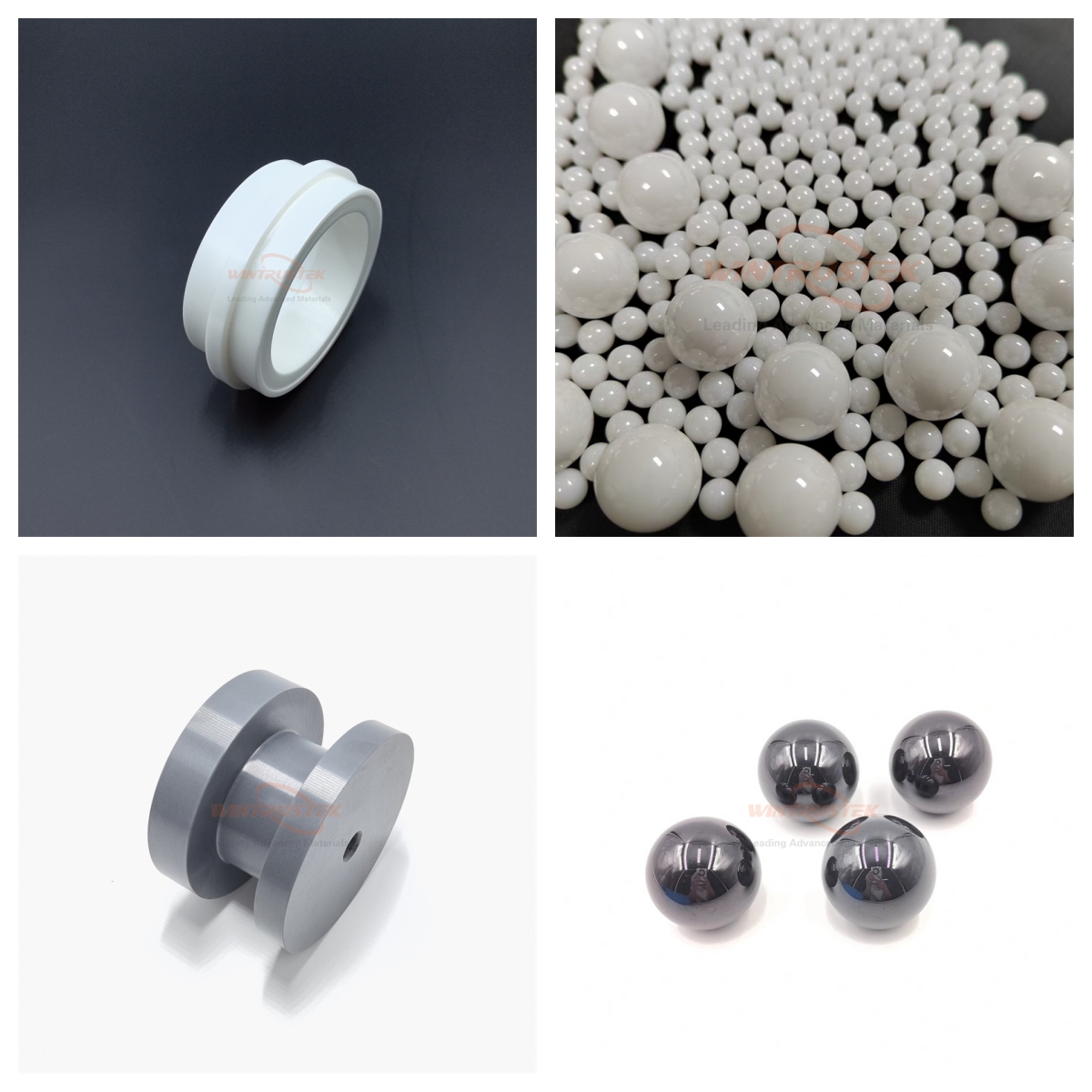
( Si3N4 Parts & ZrO2 Parts Produced by Wintrustek)
In today’s fluid control systems, industrial valves are called upon to perform in some of the hardest settings on Earth. Standard metal valves fail prematurely due to severe erosive wear and cavitation when used with highly abrasive slurries in mining, corrosive chemicals in processing facilities or high pressure steam in power production.
To solve this problem, engineering teams are now examining new structural ceramics as a possible substitute for the alloys now in use. Silicon Nitride (Si3N4) and Zirconia (ZrO2) were among the best materials on the market and the ultimate high performance materials for structural valve components such as balls, seats and discs.
At Wintrustek we recognize that picking the right ceramic material is a balancing act comprising many complex operational trade-offs. Both materials are considerably better than stainless steel in wear resistance but their differing mechanical microstructures dictate the way they behave under intense mechanical stress.
Are you seeking for the best material for industrial valves that will wear a lot? Here is a full comparative study on fracture toughness, wear resistance and service life.
The principal challenge engineers face when advancing from metals to advanced ceramics is brittleness. Water hammer or pressure surges are regular occurrences in industrial valve pipes. Also direct impacts of hard solid particles entrained in high velocity fluids are prevalent.
Zirconia (ZrO2): The "Ceramic Steel" with Transformation Toughening
Partially Stabilized Zirconia (PSZ) and Yttria-Stabilized Tetragonal Zirconia Polycrystals (Y-TZP) exhibit the highest fracture toughness among all monolithic ceramics (typically 8 MPa·m1/2).
The Mechanism: Zirconia possesses a unique effect termed transformation toughening. Under stress, when a microcrack initiates, the crystal structure around the crack tip undergoes a phase transformation from a tetragonal phase to a larger monoclinic phase. This volumetric expansion literally squeezes the crack shut and prevents it from growing.
Silicon Nitride (Si3N4): Interlocking Acicular Microstructure
Silicon Nitride has an elongated needle-like grain structure which makes it strong although its fracture toughness value is a little less than Zirconia (6 to 7 MPa·m1/2). The grains act like small reinforcing bars that are bonded together in the material.
The Toughness Verdict: Zirconia’s self-healing characteristics make it a very reliable material for valves exposed to extreme mechanical stress or high-impact particle bombardment. Silicon nitride, however, is not a lightweight, and it offers outstanding structural stability under multi-directional stress.
Industrial flow control wear can be of several types: erosion (cutting of the surface by solid particles), abrasion (friction between the ball and seat of the valve) and cavitation (eroding of the material surfaces by exploding vapor bubbles).
Silicon Nitride Wins on Hardness:
Silicon Nitride has a Vickers hardness of around 1600 to 1800 HV, significantly higher than Zirconia (typically 1200 HV).
The Micro-Wear Advantage: Because of its superior hardness, Si3N4 valve parts will show virtually no scratching or surface deterioration when sealing against high-speed, sharp abrasive media such as silica sand or metal powders. Provides ultra-smooth, micro-polished surface finish for tight, leak-free sealing for long life.
Manufacturing Excellence with Wintrustek: Perfect seal with no leakage between ceramic ball and seat needs excellent surface quality tolerances. Silicon Nitride Ceramic Valve Balls produced by Wintrustek are manufactured with sophisticated precision diamond lapping and polishing techniques to achieve micron level sphericity and to fully use the inherent hard wearing qualities of the material.
Valves in chemical processing can be subjected to rapid cycling between ambient and high operating temperatures with strong acids or alkalis.
Thermal Expansion of Silicon Nitride: Si3N4 has a very low thermal expansion coefficient and a good thermal conductivity. This gives it a peculiar resistance to heat stress. Silicon Nitride valves can take heat spikes up to 800ºC without fracturing. In addition, it exhibits mechanical qualities up to 1200°C.
Hydrolysis Risk of Zirconia: Zirconia’s thermal expansion coefficient is closer to steel, which is beneficial for matching components, but its thermal shock resistance is weaker. It is important to note that Zirconia is susceptible to low-temperature degradation (LTD) or aging when it is exposed for lengthy periods of time to hot steam or moisture at temperatures above 100°C, causing slow destruction of the material.
The upfront prices are higher but advanced ceramics give a very good return on investment in terms of total cost of ownership.
Zirconia Lifespan Profiles: Best suited for high-pressure slurry valves, mud pumps and mining applications at ambient or controlled temperatures where high impact and structural toughness are the limiting failure criteria.
Silicon Nitride Lifespan Profiles: The uncontested monarch of high temperature, highly corrosive and severe thermal cycle applications. The application of Si3N4 components can increase the operational life of control valves by a factor of 5 to 10 times compared to hard-faced alloy options.
To help streamline your engineering pipeline, Wintrustek has mapped out the core mechanical comparisons below:
| Performance Metric | Zirconia (ZrO2) | Silicon Nitride (Si3N4) |
| Vickers Hardness (GPa) | 12 | 16-18 |
| Fracture Toughness (MPa·m1/2) | 8 | 6-7 |
| Thermal Shock Resistance | Moderate | Outstanding |
| Density (Weight) | 6.0 g/cm3 | 3.2 g/cm3 |
| Best Suited For... | High mechanical impact, heavy mining slurries | Extreme temperatures, corrosive chemicals, high-speed erosion |
Valve failure is not only a question of choosing the strongest material, but rather a question of profound understanding of the interplay of fluid dynamics and material science. If your flow control application requires the unmatched fracture toughness of Zirconia or the extreme hardness and thermal endurance of Silicon Nitride, Wintrustek has the material engineering expertise and state-of-the-art production facility to design, sinter and polish your custom industrial components.
Contact sales@wintrustek.com immediately to talk to our advanced ceramic experts about a high-reliability solution that will prevent downtime in your vital operations.