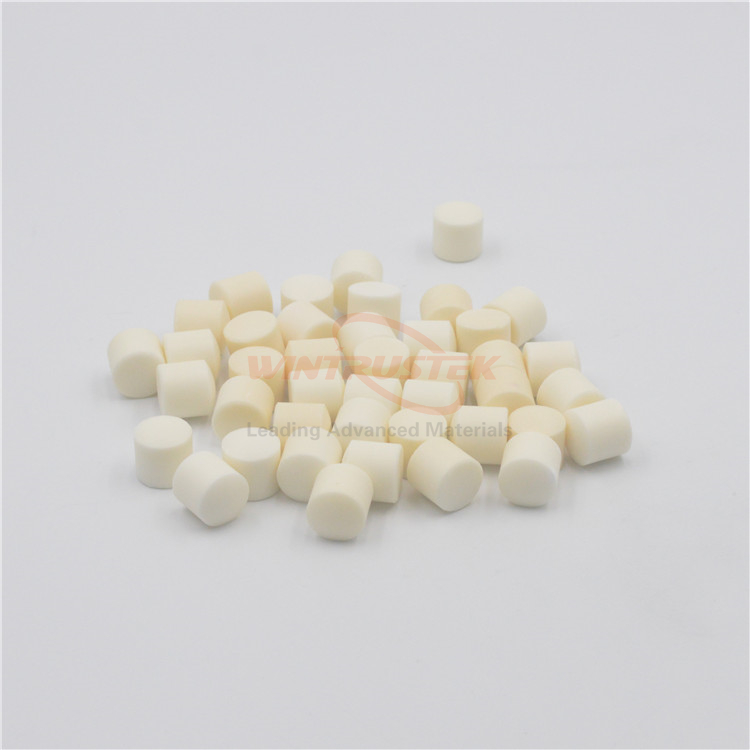
(Alumina Grinding Media Produced by Wintrustek)
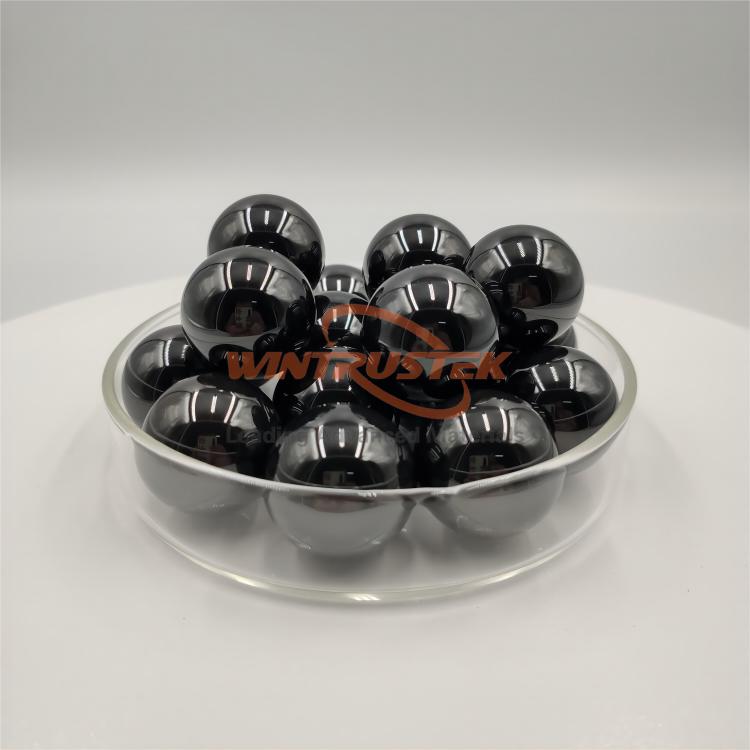
Alumina grinding balls/cylinders are high-performance ceramic grinding media composed of high-purity alumina micro powder as the primary raw material, produced under high pressure and sintered at high temperature. Alumina grinding balls have become a popular grinding medium in the pharmaceutical industry due to their ultra-high hardness, excellent wear resistance, chemical inertness, and high purity, making them ideal for micronizing active pharmaceutical ingredients, formulation preparation, and biopharmaceutical research and development.
1. The material properties of alumina grinding cylinders and their pharmaceutical applicability
1.1 High Purity and Chemical Inertness
The main advantage of alumina grinding cylinders is their excellent purity and chemical stability. Studies have revealed that 99.99% high-purity alumina cylinders can contain fewer than 50 ppm of metal contaminants. Metal leaching can be kept to 0.1 ppm in medical-grade goods that meet FDA criteria. Alumina material's chemical inertness enables it to tolerate strong acids (pH 1), strong alkalis (pH 14), and numerous organic solvents (such as DMF, dichloromethane, etc.), with a mass loss rate of less than 0.03% after 240 hours of immersion in an acidic environment at 80°C. This remarkable chemical stability ensures that the grinding process does not introduce external impurities, hence meeting the pharmaceutical industry's stringent purity requirements.
1.2 High Hardness and Low Wear
Alumina has a Mohs hardness of 9, which ranks second only to diamond and silicon carbide. This low wear characteristic means that during long-term grinding, the wear of the grinding media itself is limited, reducing secondary contamination caused by grinding ball wear.
1.3 Smooth Surface and Easy Cleaning
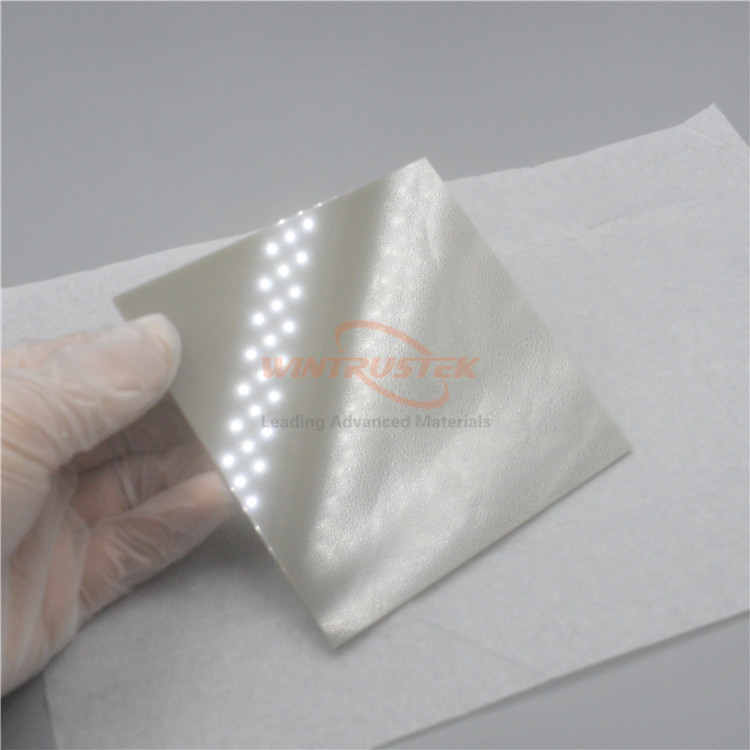
A smooth surface not only lowers wear and tear on equipment but also makes cleaning and disinfection easier, meeting the high cleanliness standards of pharmaceutical manufacturing.
1.4 High Temperature Resistance
Alumina has a melting point of up to 2050°C, enabling stable use in high-temperature situations without deformation or performance deterioration caused by temperature variations. This property makes it appropriate for certain pharmaceutical operations that necessitate heat treatment or high-temperature sterilization.
2. Main Applications of Alumina Grinding Cylinders in the Pharmaceutical Industry
2.1 Micronization of Active Pharmaceutical Ingredients (APIs)
The particle size of a drug's active ingredient directly affects its bioavailability and dissolution rate. For poorly soluble drugs, micronizing the API to the micron or even submicron level can significantly improve its in vivo absorption efficiency.
Application Method: The API is wet- or dry-milled using 0.1-1 mm ultrafine alumina grinding balls in a stirred mill, sand mill, or ball mill to achieve a particle size of D50 ≤ 1 μm. Studies have shown that drugs micronized by alumina ball milling can have their bioavailability increased by more than 30%.
Advantages: High-purity alumina balls do not leach metals during the milling process, avoiding the risk of heavy metal contamination of the drug; simultaneously, their low abrasion characteristics ensure batch-to-batch stability and repeatability.
2.2 Fine Processing of Pharmaceutical Excipients
Pharmaceutical excipients such as microcrystalline cellulose, lactose, starch, and magnesium stearate frequently require regulated particle size distribution to improve flowability and tableting efficiency. Alumina grinding balls can be used to ground these excipients finely and uniformly.
A case study in pharmaceutical excipient manufacture demonstrates that after grinding with high-purity alumina balls, the particle size CV value of the excipients can be regulated within 5%, with a Span value less than 1.0.
2.3 Ultrafine Grinding of Traditional Chinese Medicine
Cell-level ultrafine grinding is an important technology in the modernization of traditional Chinese medicine for increasing the solubility rate of active substances. Using alumina grinding medium for ultrafine grinding of medicinal materials can help break down plant cell walls, making active compounds simpler to release. The grinding media's exceptional hardness and wear resistance allow it to successfully process fibrous and hard pharmaceutical ingredients.
2.4 Preparation of Formulation Suspensions
For oral or injectable solutions, homogeneous dispersion of medication particles is essential. Wet milling and dispersion of medication particles in a sand mill with alumina grinding columns can produce suspensions with narrow particle size distributions and high stability. Their non-dissolution qualities make them ideal for the manufacture of high-risk formulations like injections.
2.5 Column Packing Material Support
In pharmaceutical analysis and purification, high-purity alumina balls can be employed as column packing material. Their regular spherical shape and surface chemical characteristics allow for the accurate separation of complicated substances.
2.6 Biopharmaceutical Research and Development
Alumina grinding cylinders are used in the biopharmaceutical industry to prepare samples for operations such as cell disruption, DNA/RNA extraction, and protein purification. Their chemical inertness prevents non-specific adsorption or interaction with bioactive substances.