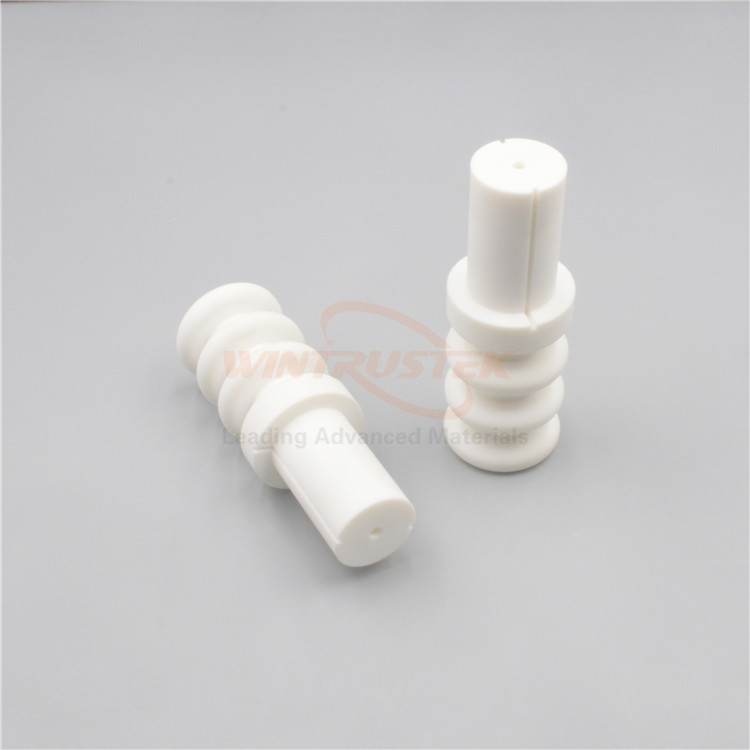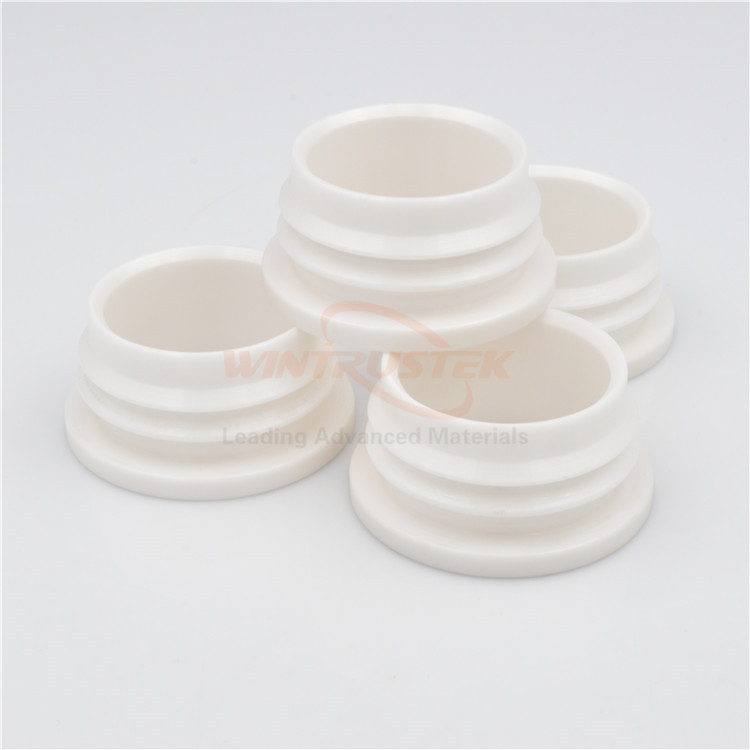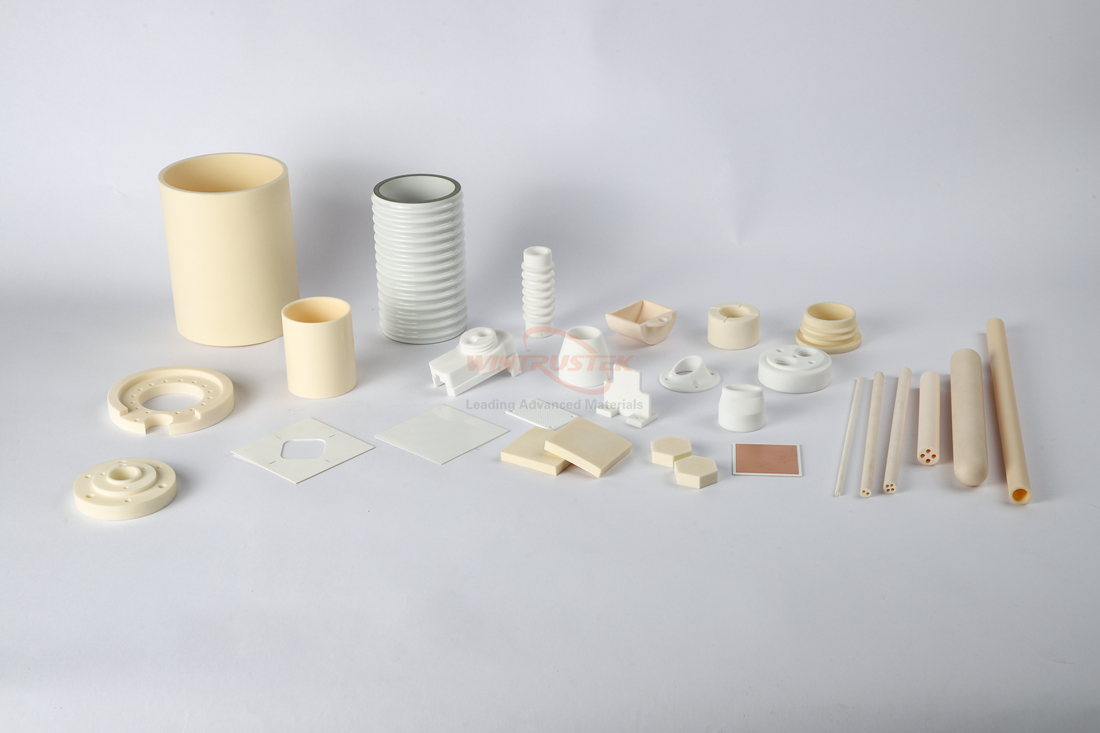
(Alumina keramikatomonidan ishlab chiqarilganWintrustek)
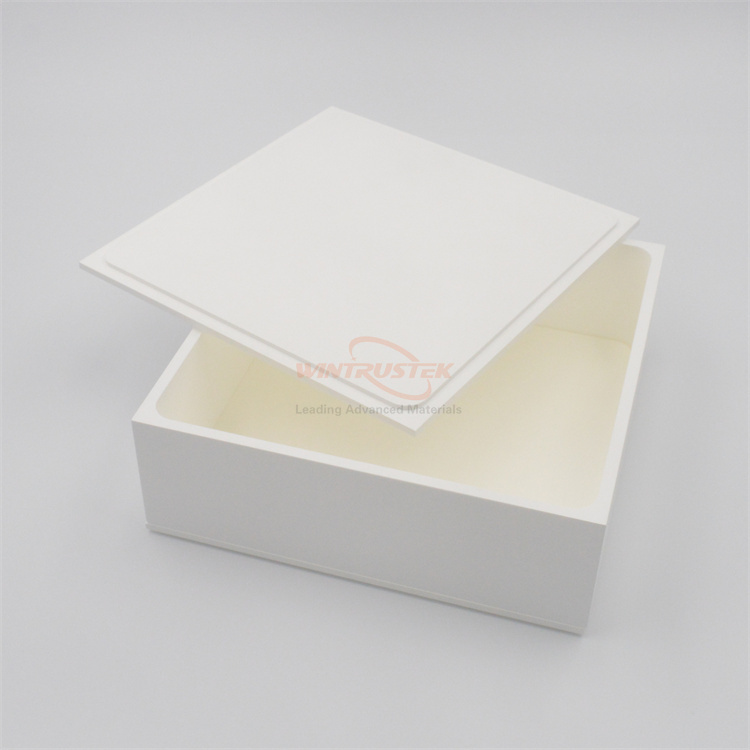
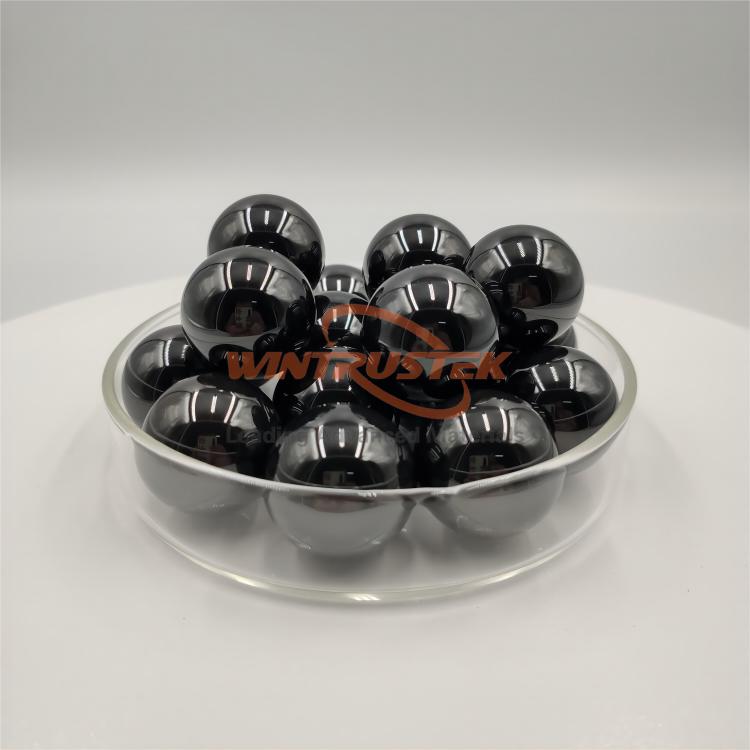
Aluminaalyuminiy oksidining (Al2O3) keng tarqalgan nomi. Bu mexanik va elektr xususiyatlarining ajoyib kombinatsiyasiga ega bardoshli texnik keramika. Turli xil sanoat ilovalari uchun javob beradi.
Asosiy afzalliklari:
Juda yuqori qattiqlik
Zo'r izolyatsiya xususiyatlari
Yuqori harorat va korroziyaga qarshilik
Yaxshi mexanik kuch
Ishlab chiqarish jarayoni: changdan qattiq seramikagacha
Yuqori sifatli mahsulot ishlab chiqarishalumina keramika mahsulotimurakkab fizik va kimyoviy o'zgarishlarni o'z ichiga oladi:
Kukun tayyorlash: Alumina kukuni qo'shimchalar (masalan, sinterlash vositalari) bilan aralashtiriladi.
Shakllantirish jarayoni: Kerakli shaklga qarab quruq presslash, izostatik presslash, inyeksion kalıplama yoki lenta quyish tanlanadi.
Sinterlash:Material 1600 ° C dan 1800 ° C gacha bo'lgan yuqori haroratli pechda pishiriladi, bu esa kukun zarralarini zich kristalli tuzilishga bog'lanishiga olib keladi.
Tugatish:Juda yuqori qattiqligi tufayli, sinterlashdan keyin pardozlash odatda olmos asboblari yoki silliqlash g'ildiraklaridan foydalanishni talab qiladi.
Ushbu maqola bir nechta asosiy shakllanish jarayonlariga qaratilgan:
1. Quruq presslash
Bu sanoat ishlab chiqarishida eng ko'p qo'llaniladigan usul bo'lib, ayniqsa oddiy shakllarni (masalan, choyshablar, halqalar va yuvish mashinalari) ommaviy ishlab chiqarish uchun mos keladi.
Printsip:Bog'lovchi moddasi bo'lgan kukun metall qolipga solinadi va press yordamida bir tomonlama yoki ikki tomonlama bosim o'tkaziladi.
Afzalliklari: Oddiy operatsiya, yuqori samaradorlik, aniq yashil tana o'lchamlari va osongina boshqariladigan sinterlash qisqarishi.
Cheklovlar:Murakkab shakldagi qismlarni ishlab chiqarish qiyin; ishqalanish kuchlari tufayli katta qismlarning zichligi notekis bo'lishi mumkin.
2. Izostatik presslash
Yuqori zichlik va bir xillikni talab qiladigan yuqori samarali qismlar uchun izostatik presslash afzalroq usuldir.
Printsip: Kukun elastik qolipga (odatda rezina qop) yopiladi va bosim o'tkazuvchi vosita sifatida suyuqlikdan foydalangan holda yuqori bosimli idishga joylashtiriladi.
Asosiy afzalliklari: Bosim kukunga barcha yo'nalishlardan bir xilda qo'llaniladi, buning natijasida yashil tana bo'ylab yuqori izchil zichlik va sinterlashdan keyin minimal deformatsiya bo'ladi.
Ilovalar:Odatda katta keramik quvurlar, sharlar yoki nozik seramika rulmanlarini ishlab chiqarishda ishlatiladi.
3. Lenta quyish
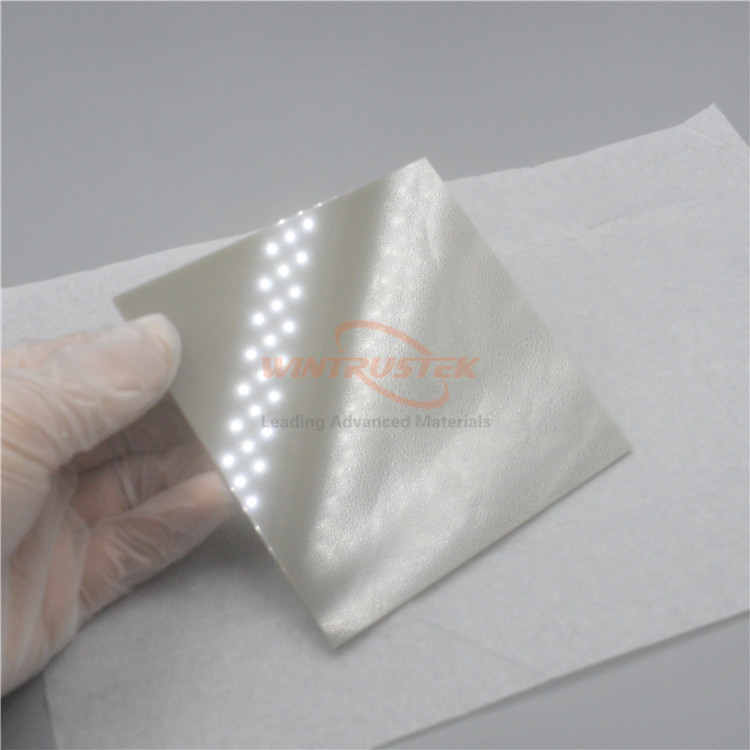
Agar siz ultra yupqa keramik substratlarni (masalan, mobil telefonlardagi elektron platalarni) ko'rsangiz, ular, ehtimol, lenta quyish orqali ishlab chiqariladi.
Printsip:Kukun hal qiluvchi, dispersant va biriktiruvchi bilan aralashtiriladi va "loyqa" hosil qiladi, so'ngra yupqa plyonka hosil qilish uchun shifokor pichog'i yordamida konveyerga yoyiladi. Keyin plyonka quritiladi va tozalanadi.
Afzalliklari: Qalinligi 10 mkm dan 1 mm gacha bo'lgan ultra yupqa keramik plitalar ishlab chiqarishga qodir.
Ilovalar:Qalin plyonkali sxemali substratlar, ko'p qatlamli keramik kondansatörler (MLCC).
4. Inyeksion kalıplama
Plastmassa sanoatidan olingan ushbu texnika juda murakkab geometriyali qismlarni ishlab chiqarish uchun ishlatiladi.
Printsip:Alumina kukuni ko'p miqdorda organik bog'lovchi (40% dan ortiq) bilan aralashtiriladi, isitiladi va nozik qolipga AOK qilinadi, so'ngra sovutiladi va qotib qoladi.
Qiyinchiliklar:Sinterlashdan oldin "bog'lanish" jarayoni (organik moddalarni olib tashlash) juda uzoq va muhim; noto'g'ri ishlov berish osongina yorilishga olib kelishi mumkin.
Ilovalar:Keramika nozik qismlari, tibbiy asboblar komponentlari.
5. Qo'shimcha ishlab chiqarish (3D bosib chiqarish)
Bu so'nggi yillardagi ilg'or texnologiya bo'lib, shakldagi qoliplar tomonidan qo'yilgan cheklovlarni butunlay buzadi.
Asosiy usullarga quyidagilar kiradi: Stereolitografiya (SLA) yoki pasta ekstruziyasi.
Afzalliklari: Hech qanday qolip talab qilinmaydi, bu esa prototiplarni ishlab chiqish yoki o'ta murakkab ichki tuzilmalarga ega (masalan, biomimetik skeletlari va mikrosuyuqlik chiplari) keramika ishlab chiqarish uchun mos keladi.