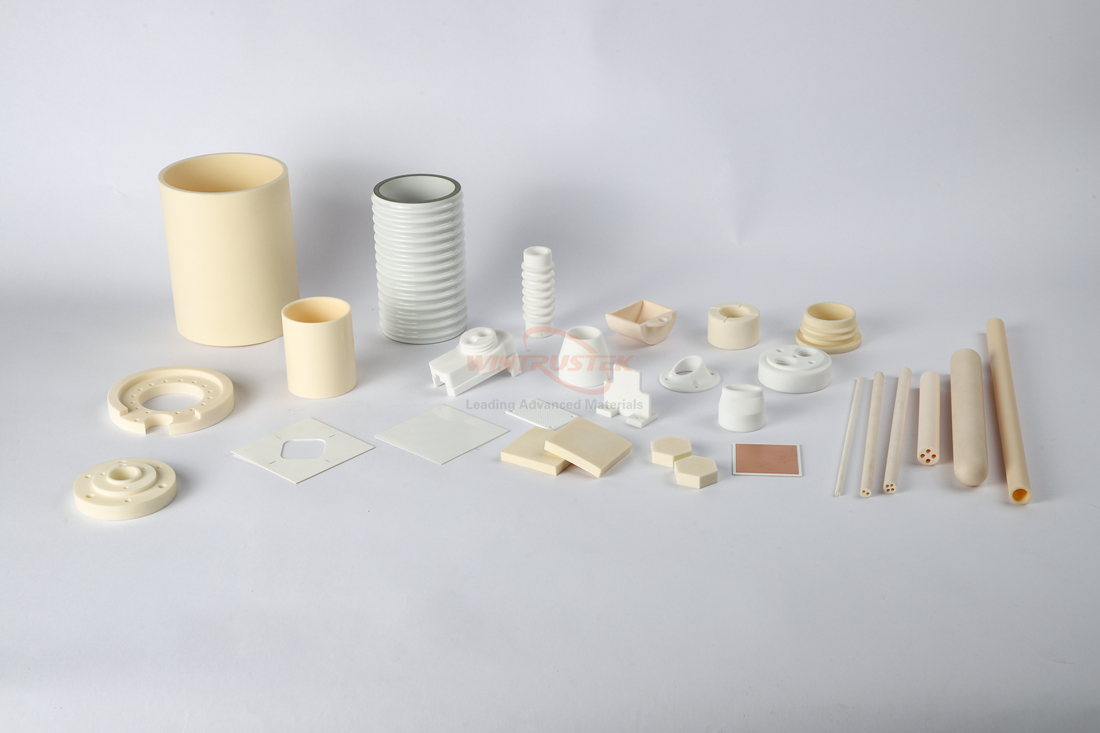
(Konumina CeramicNaWintrustek)
Konuminahe ingoa auau ake mo te waikura konumohe (Al2O3). He karaima hangarau roa me te whakakotahitanga o nga ahuatanga miihini me te hiko. He pai mo te maha o nga momo tono ahumahi.
Nga Painga Matua:
Tino teitei te pakeke
He tino pai nga ahuatanga whakamaarama
Te pāmahana teitei me te aukati waikura
He pai te kaha miihini
Tukanga Hanga: Mai i te Paura ki te Maamaa Maamaa
Te hanga i te kounga teiteikonumohe hua ukuka uru ki nga huringa tinana me nga huringa matū:
Te Whakarite Paura: Ka konatunatuahia te paura alumina ki nga taapiri (penei i nga awhina whakahiato).
Tukanga Hanga: Ko te pehi maroke, ko te pehi isostatic, ko te whakarewa i werohia, ko te maka riipene ranei ka tohua i runga i te ahua e hiahiatia ana.
Waiata:Ka pupuhihia nga mea i roto i te oumu teitei-nui i te 1600 ° C ki te 1800 ° C, ka hono nga matūriki paura ki roto i te hanganga tioata matotoru.
Whakaoti:Na tona tino pakeke, ko te whakaoti i muri i te hiri me te whakamahi i nga taputapu taimana, i nga wira huri ranei.
Ko tenei tuhinga e arotahi ana ki te maha o nga tukanga hanga auraki:
1. Pehi maroke
Koinei te tikanga e whakamahia nuitia ana i roto i te hanga ahumahi, ina koa mo te hanga papatipu o nga ahua ngawari (penei i nga pepa, nga mowhiti, me nga horoi).
Kaupapa:Ko te paura kei roto he here ka tuu ki roto i te mahanga whakarewa, ka tukuna ki te pehanga kotahitanga, ararua ranei ma te perehi.
Painga: He mahinga ngawari, he tino pai, he tika te rahi o te tinana kaakaariki, me te whakaheke o te sintering ngawari ki te whakahaere.
Te herenga:He uaua ki te hanga i nga waahanga uaua-ahua; na te kaha waku, ka kore e rite te kiato o nga waahanga nui.
2. Isostatic Pressing
Mo nga waahanga mahi teitei e hiahia ana kia nui te kiato me te riterite, ko te pehi isostatic te tikanga pai.
Kaupapa: Ka hiritia te paura ki roto i te pokepokea rapa (te nuinga he putea rapa) ka tuu ki roto i te ipu pehanga teitei, ma te whakamahi i te wai hei huarahi whakawhiti pehanga.
Nga Painga Matua: Ko te pehanga ka tukuna kia rite ki te paura mai i nga taha katoa, ka puta he tino riterite puta noa i te tinana kaakaariki me te iti o te whakarereketanga i muri i te sintering.
Nga tono:Ka whakamahia i roto i te hanga i nga ngongo uku nui, nga porohita, i nga whakangao uku tika ranei.
3. Te Maka Ripene
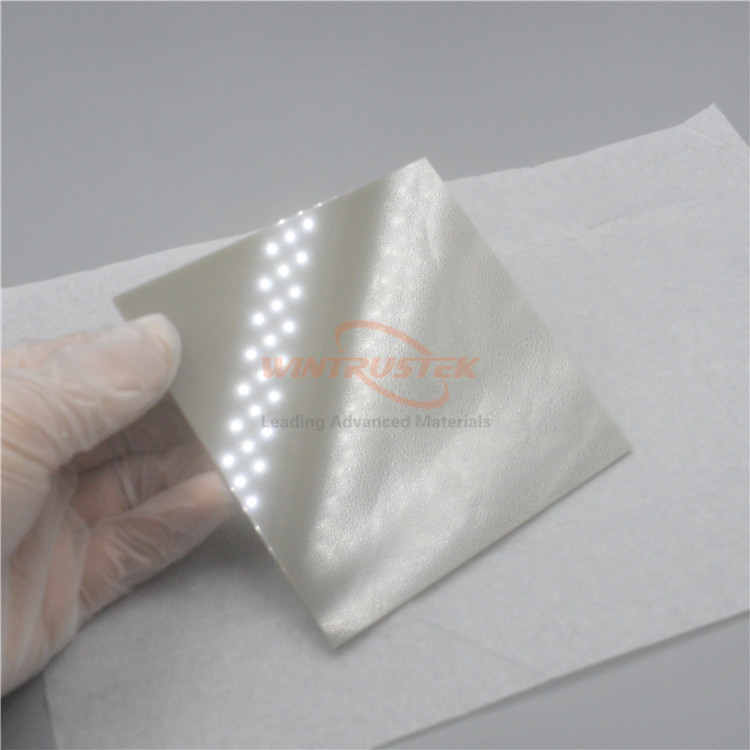
Mena ka kite koe i nga taputapu uku tino angiangi (penei i nga papa taiawhio i roto i nga waea pukoro), ka mahia ma te maka riipene.
Kaupapa:Ka konatunatuahia te paura ki te whakarewa, te whakamarara, me te here hei hanga i te "slurry," ka horahia ki runga i te whitiki kawe ma te whakamahi i te mata o te taote hei hanga i tetahi kiriata angiangi. Ka maroke te kiriata ka tihorea.
Painga: He kaha ki te hanga i nga pepa karaika tino kikokore me te matotoru i waenga i te 10 μm me te 1 mm.
Nga tono:Ko nga taputapu ara iahiko kiriata matotoru, nga punga uku maha (MLCC).
4. Werohanga Molding
Ko tenei tikanga, i namahia mai i te ahumahi kirihou, ka whakamahia hei hanga i nga waahanga me nga ahuatanga tino uaua.
Kaupapa:Ka konatunatuahia te paura alumina ki te nui o te herenga waro (tae atu ki te 40%), ka whakamahanahia, ka werohia ki roto i te pokepokea tika, ka whakamataohia, ka whakamaroke.
Nga wero:He tino roa, he mea tino nui te tukanga "whakarewa" (te tango i nga mea pararopi) i mua i te whakangao; ko te whakahaere hee ka ngawari ki te pakaru.
Nga tono:Nga waahanga tika o te karamiki, nga waahanga taputapu rongoa.
5. Hanganga taapiri (Tai 3D)
He hangarau hou tenei i roto i nga tau tata nei e tino pakaru ana i nga here kua tukuna e te hanga i te hanga.
Ko nga tikanga matua ko: Ko te Steeolithography (SLA) te whakapiri ranei i te tangohanga.
Painga: Karekau he pokepokea e hiahiatia ana, e tika ana mo te whakawhanake tauira, te hanga karamu ranei me nga hanganga o roto tino uaua (pēnei i te koiwi biomimetic me te maramara microfluidic).