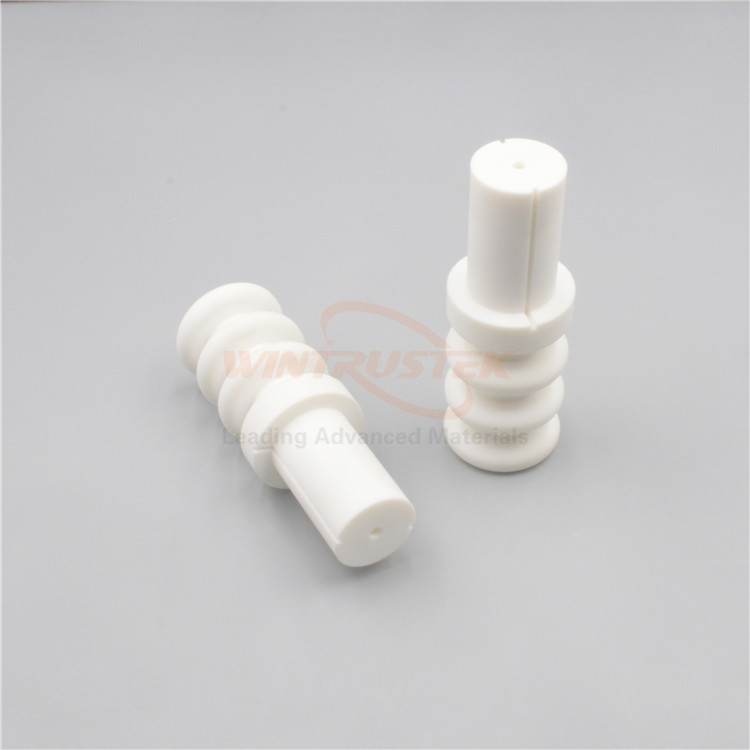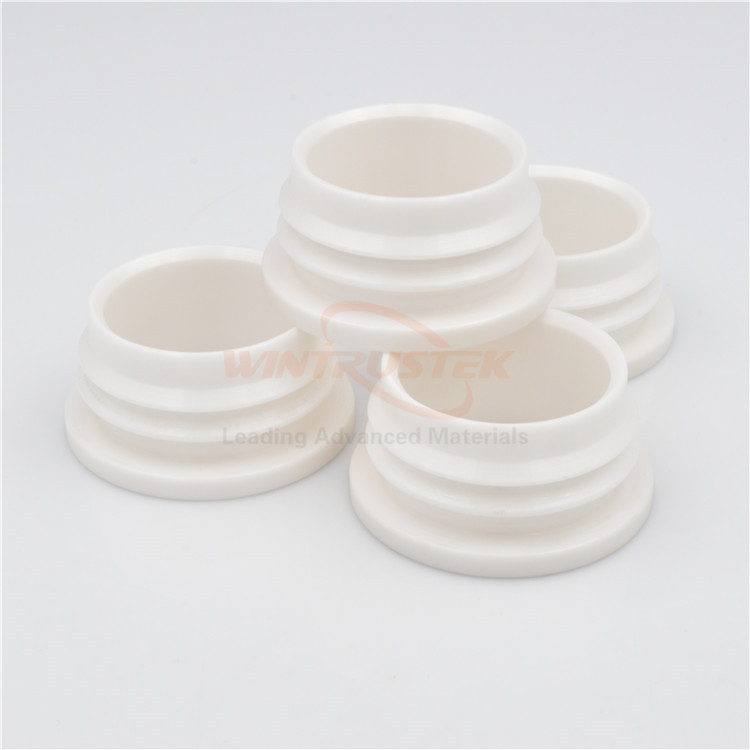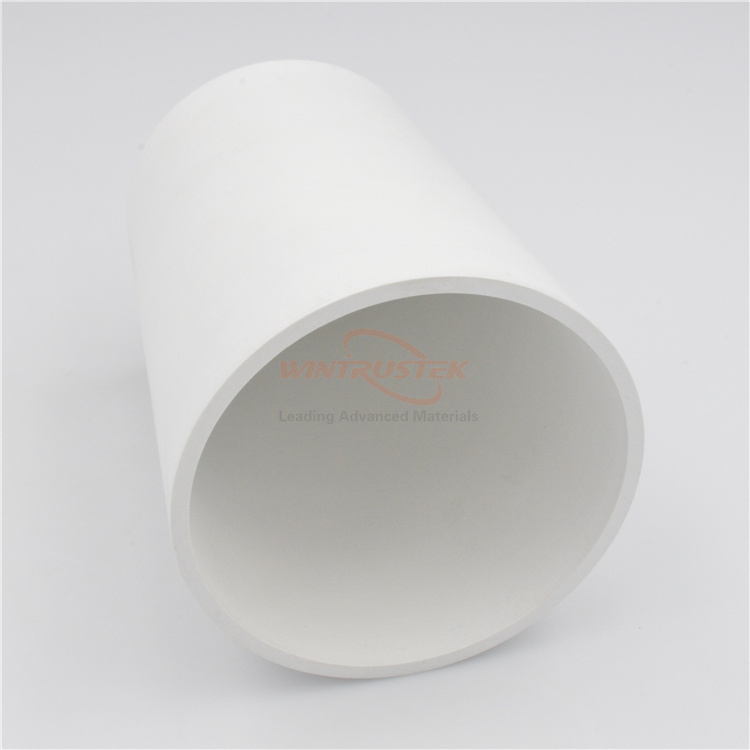
(BN Tube Produced by Wintrustek)
In high-temperature furnace and vacuum heat treatment systems, durability is rarely determined by one major part alone. Very often, the reliability of the whole system depends on whether smaller components are selected with the real operating environment in mind.
One example is the boron nitride ceramic sleeve.
It may look like a secondary component used for insulation, guiding, separation, or protection, but in demanding thermal environments, its material and structural fit can directly influence maintenance frequency, shutdown risk, and total lifecycle cost.
Why boron nitride ceramic sleeves are gaining more attention
Boron nitride ceramic sleeves are increasingly used in high-temperature applications because they offer a practical combination of properties:
1. Thermal stability
They can remain stable under demanding high-temperature conditions.
2. Electrical insulation
This is especially valuable in systems where electrical isolation must be maintained at elevated temperatures.
3. Thermal shock adaptability
In processes involving repeated heating and cooling, this can help reduce the risk of premature failure.
4. Low wettability and material purity
These characteristics matter in furnace environments where contamination control and process consistency are critical.
But durability is not just about choosing a "high-performance" material
In practice, longer sleeve life usually comes from matching the material to the application, not from chasing a single impressive spec.
Here are 5 principles engineers and furnace designers should pay closer attention to:
1. Define the real operating conditions, not just the nominal temperature
A sleeve often fails because of the actual operating profile, not because the furnace reached a certain peak temperature.
Key factors include:
Heating and cooling rates
Frequency of temperature fluctuations
Vacuum or protective atmosphere conditions
Mechanical load
Assembly stress
Interaction with adjacent materials
A material that looks suitable on paper may still underperform if these real-world conditions are overlooked.
2. Prioritize overall material compatibility
Boron nitride ceramics are often selected for high-temperature resistance and electrical insulation, but durability usually depends on the balance of multiple factors:
Purity
Density
Thermal conductivity
Thermal shock resistance
Machining precision
Dimensional consistency
The lesson here: the "best" number in one parameter does not automatically create the best service life.
3. Don't underestimate structural design and assembly details
Even the right material can fail early if the design introduces avoidable stress.
Common risk points include:
Sleeve wall thickness
Chamfer design
Fitting tolerance
Support method
Thermal expansion mismatch during installation
In many furnace applications, good stress management matters more than simply making the sleeve thicker.
4. Move durability evaluation earlier in the validation stage
Too often, sleeve selection is judged by whether a sample "works" initially.
A better approach is to validate through:
Service-life testing
Thermal cycling tests
Simulation under real operating conditions
Early validation data usually reveal hidden risks that experience alone may miss, especially before scaling into batch use.
5. Evaluate sleeve life from a system perspective
The life of a ceramic sleeve is not only about how often that one part needs replacement.
It also affects:
Protection of surrounding components
Equipment downtime
Maintenance planning
Operational predictability
Total cost of ownership
That is why component durability should always be assessed in the context of overall furnace stability, not in isolation.
Final takeaway
Improving high-temperature furnace durability is rarely about finding one material that “solves everything.”
It is about:
selecting a material that truly fits the application,
designing around real thermal and mechanical stresses,
and validating performance before long-term deployment.