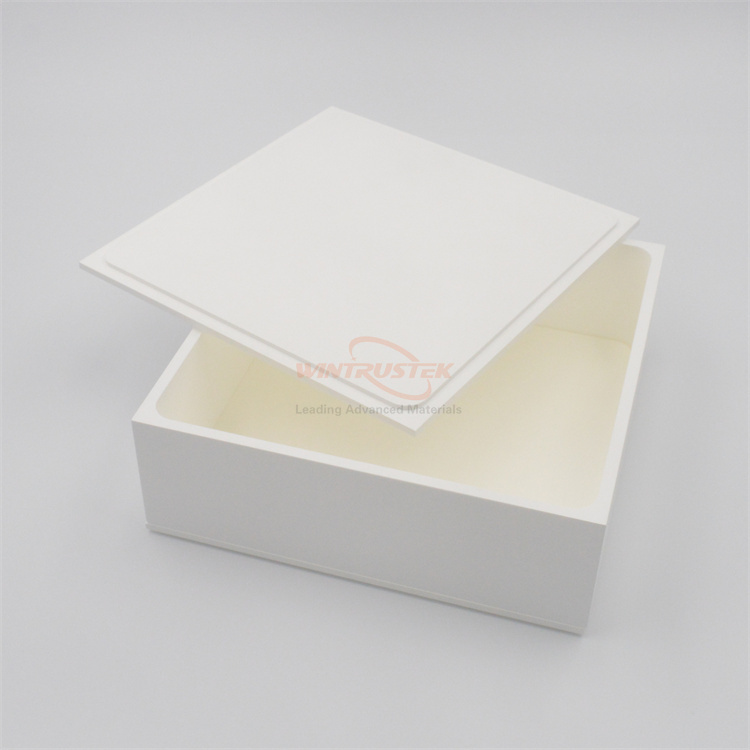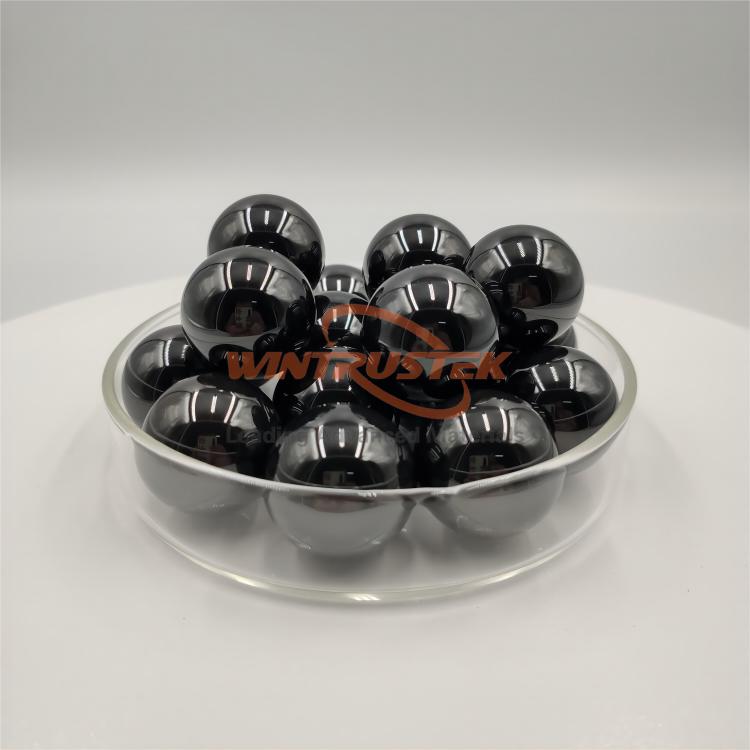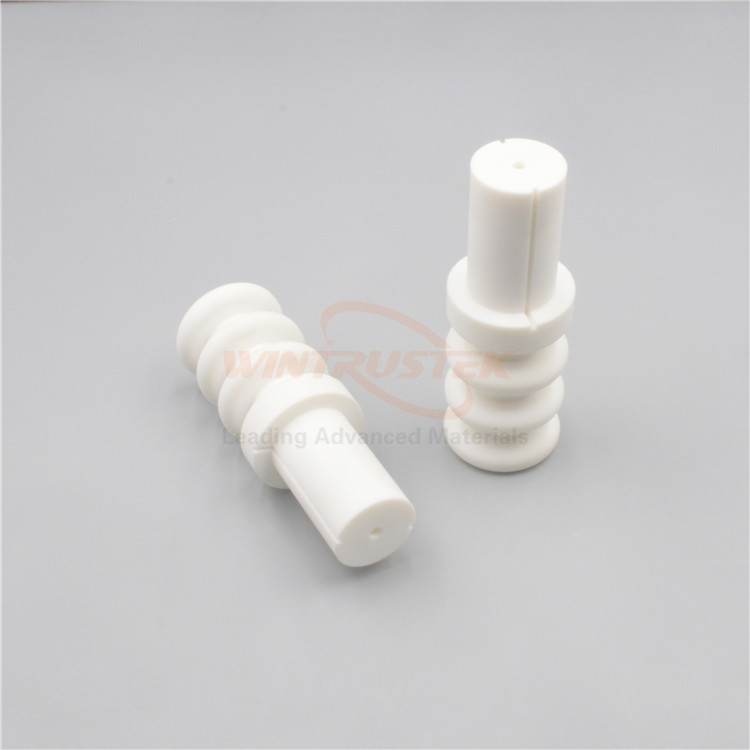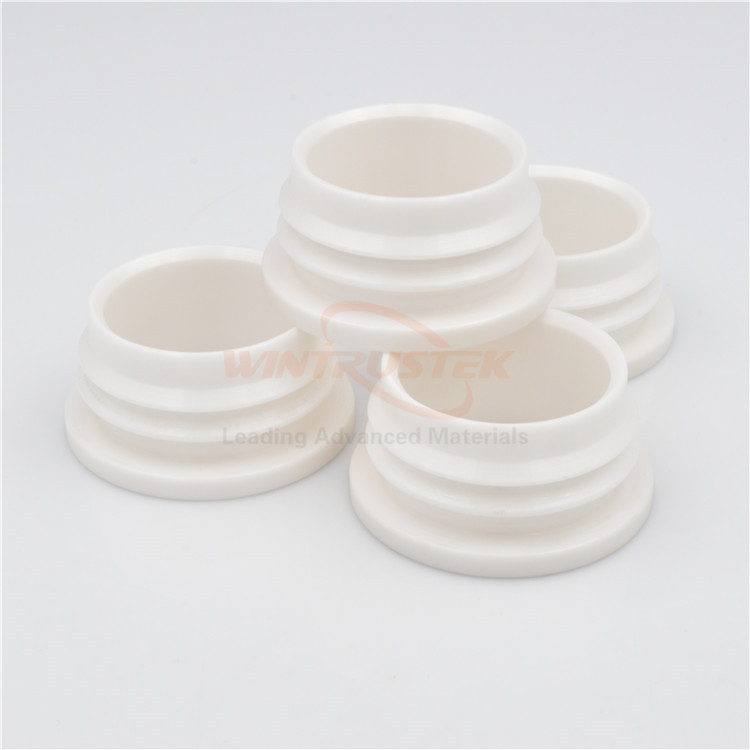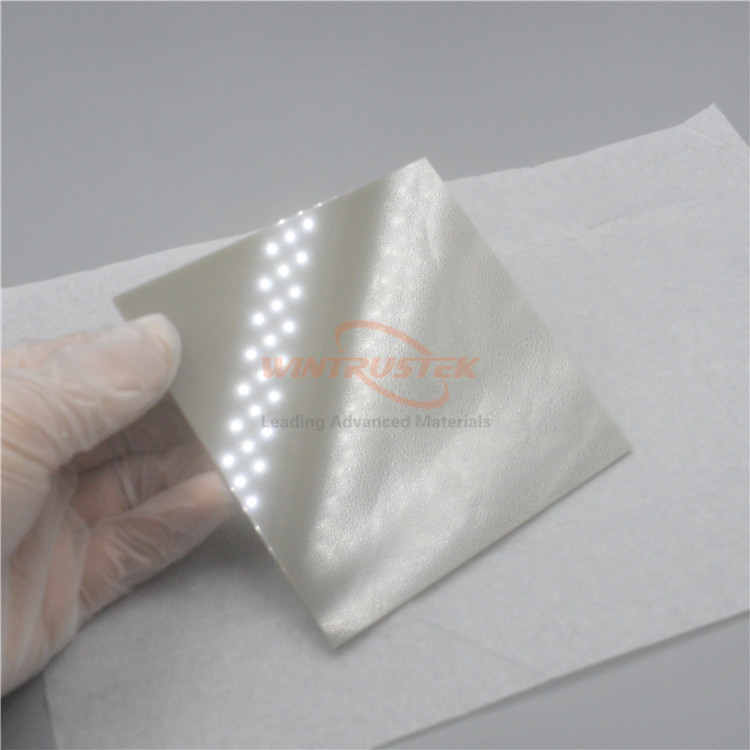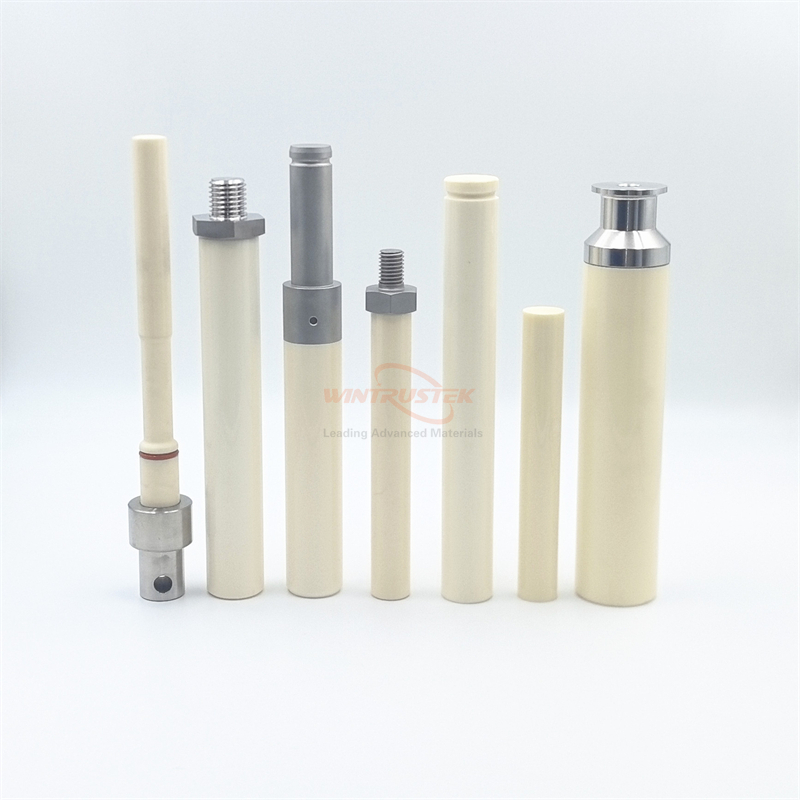
(Alumina Ceramic Metering Pumps)
Liquid dosing and filling are key unit processes in pharmaceutical manufacture. From active pharmaceutical ingredients (APIs) to vaccines, from eye drops to high-purity biological reagents, precision metering pumps are needed to provide precise doses time after time, with zero contamination.
316L stainless steel has been the industry standard for sanitary dosing pumps for decades. But as biopharmaceuticals, aggressive chemical formulations and demanding regulatory standards (e.g., FDA, GMP) emerge, classic steel pumps are quickly reaching their physical and chemical limits.
Today, improved alumina and zirconia ceramic metering pumps are replacing stainless steel on modern pharmaceutical lines. So what makes precision ceramics the new gold standard for high-purity fluid dispensing with corrosion resistance?
1. Removal of Metal Ion Contamination and Particulate Risks
The main reason for the movement of the pharmaceutical engineers away from stainless steel is the possibility of corrosion and leaching of metal ions.
The Stainless Steel Dilemma: Even high grade 316L stainless steel is susceptible to microscopic corrosion when in contact with saline solutions, acidic reagents or cleaning chemicals (CIP/SIP cycles). Liquid formulations can leach iron, chromium or nickel ions over time. In addition, metal-on-metal friction produces microscopic metallic debris that can cause batch contamination and regulatory non-compliance.
The Ceramic Solution: Advanced ceramics such as Alumina (Al2O3) and Zirconia (ZrO2) are fully chemically inert. There are no metal ions to leach out into the liquid medicine providing absolute purity for biological products, parenteral pharmaceuticals and ophthalmic solutions.
2. Million-cycle precision with excellent wear resistance
Precision filling requires long term volumetric repeatability without regular recalibration.
Friction and Galling of Steel: Stainless steel parts need very little room to hold pressure, yet metal on metal sliding causes galling, surface scratch marks and dimensional wear. As the piston wears, dosing precision declines, which can lead to over-filling (waste of product, which is costly) or under-filling (compliance failure).
Zero Wear Ceramic Pistons: Zirconia ceramics are extremely hard (up to 1200-1500 Vickers). Ceramic pistons and sleeves, honed and polished to sub-micron tolerances (clearances as narrow as 1 to 2 microns). Because ceramic on ceramic has a very low coefficient of friction, these pumps can run for tens of millions of cycles without noticeable wear, keeping dispensing accuracy within +/- 0.5 percent.
3. High Resistance to CIP/SIP Sterilization Cycles
Pharmaceutical fluid routes are subject to frequent Clean-in-Place (CIP) and Sterilize-in-Place (SIP) protocols using severe caustic washes, strong acids and high-pressure steam up to 135 degrees Celsius.
Thermal and Chemical Fatigue: Steel pumps are subjected to thermal and chemical fatigue during steam sterilization, which can increase the rate of breakdown of the passivated layer, seal degradation, and pump failure.
Thermal Shock and Chemical Immunity: Technical ceramics are unaffected by variations in the concentration of acids, alkalis or organic solvents. They enjoy total dimensional stability during hot steam sterilization, allowing a smooth transition from cleaning to manufacturing without distortion or leakage of the seal.
4. Valveless Rotary Piston Design to Prevent Blockage
Most conventional stainless steel dosing systems use internal check valves (balls, springs and seats) to control liquid flow direction.
Valve failures: Dead legs are formed by check valves where liquid goods, suspensions or crystallizing active substances aggregate. Spring fatigue or sticking of the valve often interferes with dosage precision.
Valveless Ceramic Pumps: Precision ceramic metering pumps are typically valveless and have a rotary-reciprocating piston construction. The ceramic piston spins and reciprocates . A flat surface built into the piston works as an internal valve, automatically opening and closing the inlet and output ports . This valveless design saves dead space, prevents clogging in viscous or crystallizing liquids, and greatly simplifies cleaning.
Summary
In high purity pharmaceutical dosing, precision is intimately linked to safety and profitability. Stainless steel pumps may have a lower initial cost when you buy them but the costs in the long run from calibration drift, risk of product contamination and frequent repair much outweigh the cost of modern ceramic systems.
Medical and pharmaceutical firms relied on precision ceramic metering pumps for zero-contamination fluid routes, uninterrupted production cycles and full compliance with international quality requirements.