Connecting advanced ceramics to metals is one of the most difficult engineering problems in high reliability applications. A special joining technology is necessary to achieve a strong hermetic vacuum seal because raw ceramics are not wetted naturally by standard liquid brazing alloys.
In industry, there are two main processes, the classic Molybdenum-Manganese (Mo-Mn) metallization and the newer Active Metal Brazing (AMB). Both techniques produce strong ceramic-to-metal joints, but the underlying chemical mechanisms, processing steps and thermal budgets are quite different.
Wintrustek is a precision ceramic manufacturer and sophisticated joining solutions company. Bonding method is selected based upon operational environment, manufacturing volume, and material combination.
Here is a detailed comparison of Mo-Mn coating and Active Metal Brazing to help you decide the best procedure for your assemblies.
1. Mo-Mn Metallization Process: The Classical Way (Multiple Steps)
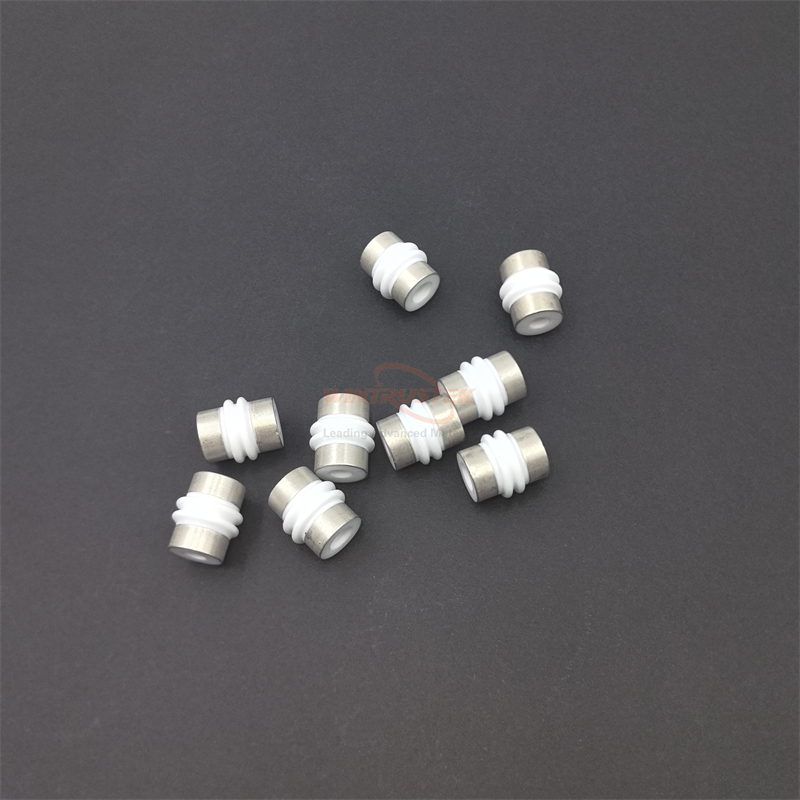
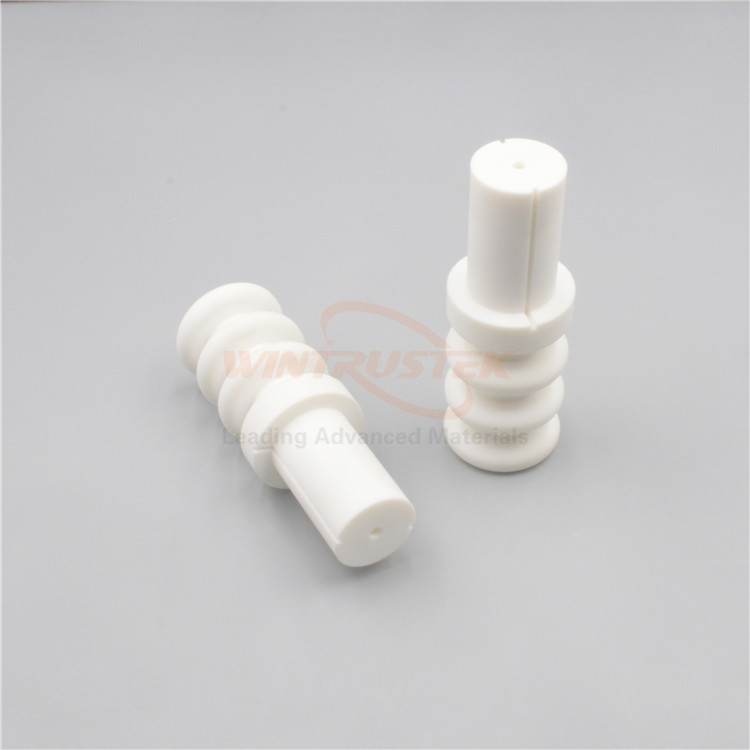
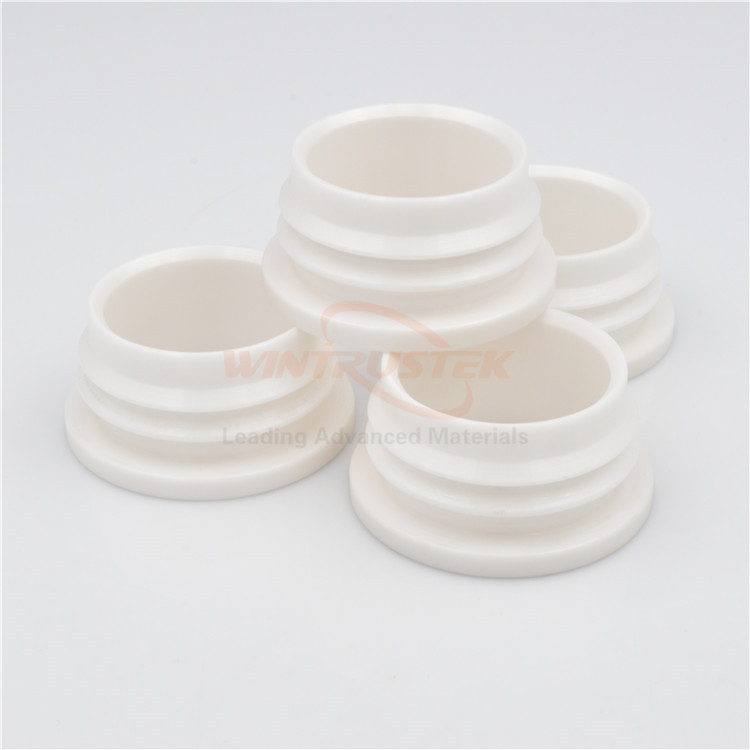
( Molybdenum Manganese Metallized Ceramics Parts)
The Molybdenum-Manganese process is a well established technique widely employed for alumina ceramics. It is a multi-step refractory coating procedure which provides a metallic, solderable surface on the ceramic prior to real brazing.
How It Works:
·Slurry Application: Fine molybdenum and manganese metal powders (with organic binders) are mixed and applied to the ceramic surface by the prescribed manner using screen printing, brushing or spraying.
·High-temperature sintering: The coated ceramic is heated to high temperatures (usually 1300-1500 °C) in a wet hydrogen environment furnace. The manganese reacts with the glass phase of the ceramic substrate, fixing the molybdenum layer securely to the ceramic matrix.
·Electroplating: A thin coating of nickel (1 to 3 microns) is electroplated on the sintered Mo-Mn layer since pure molybdenum is not easily wetted with normal filler metals.
·Final Brazing The metallized ceramic is now ready for brazing to a metal component (e.g. Kovar or Nickel) using conventional braze alloys such as Silver-Copper eutectic in a second furnace run.
Best Suit for:
Large scale production.
Complex geometries for selective coating.
Standard Alumina (Al2O3) ceramics (especially 96% to 99% purity grades with sufficient glass phase.)
2. Single Step Innovation in Active Metal Brazing (AMB)
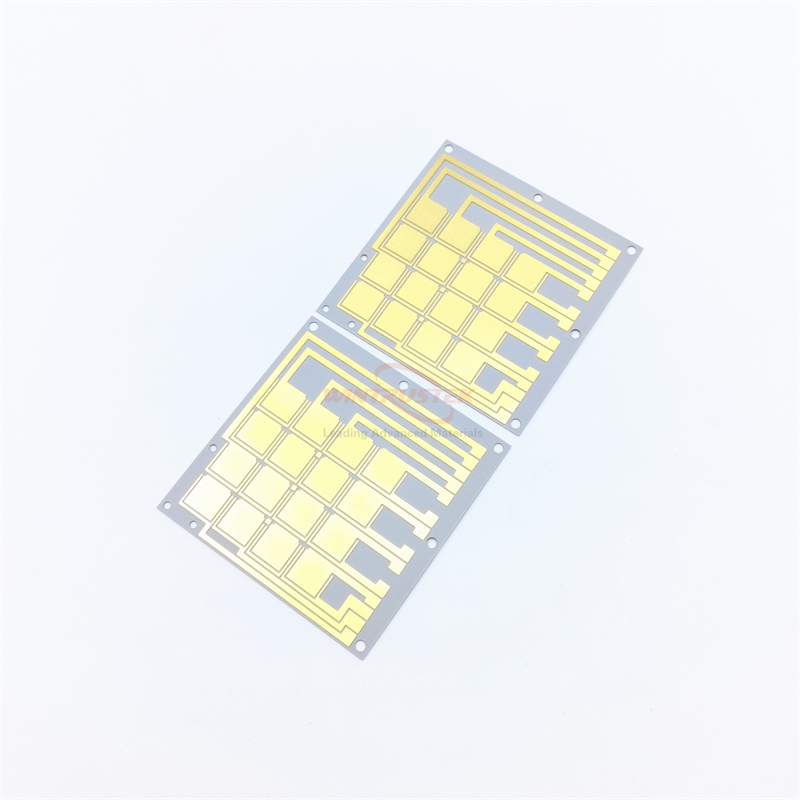
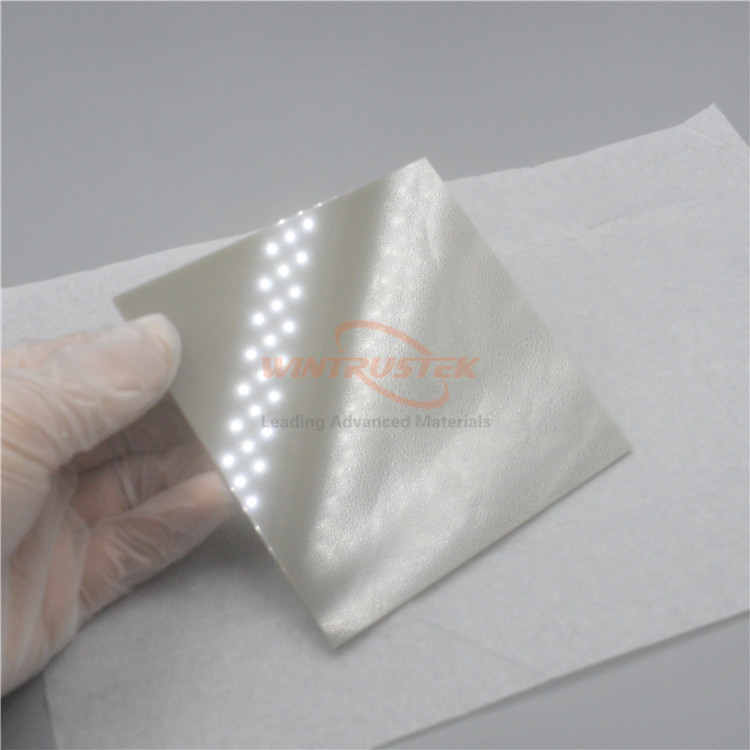
( AMB Si3N4 Substrate)
Active Metal Brazing removes the requirement for a separate pre-metallization phase therefore reducing the joining process. Instead, the reactive elements are included directly into the braze alloy.
How It Works:
·Direct Placement: An active braze foil or paste, generally a silver-copper alloy with minor additions of active elements such as Titanium (Ti), Zirconium (Zr) or Hafnium (Hf) is deposited directly between the raw ceramic and the metal substrate.
·One-Step Vacuum Firing: The assembly is heated in a high vacuum furnace (usually 800C to 950 °C). At these temperatures the active element (for example, Titanium) reacts aggressively with the ceramic interface, forming a thin layer of chemical reaction (for example, Titanium Oxide or Titanium Nitride) that makes the ceramic surface wettable.
·Direct Bonding: The new reaction layer is wetted by the molten silver-copper alloy which attaches to the ceramic and metal parts at the same time.
Best Suit For:
Non-oxide ceramics, such as Silicon Nitride (Si3N4), Aluminum Nitride (AlN) and Silicon Carbide (SiC).
High purity oxide ceramics (e.g. 99.5% or 99.8% Alumina.)
high power electronic substrates and heavy thermal cycling application.
3. Key Factors for Comparison
A. Process complexity and costs
Mo-Mn is a multi-step, labor-intensive process that requires specialized wet-hydrogen furnaces, plating tanks and secondary vacuum furnaces. But the unit costs for mass manufacture of small Alumina components can be highly competitive. AMB involves fewer steps and lower brazing temperatures, but uses specific active braze materials and stringent high-vacuum furnace management.
B. Compatibility of Materials
The Mo-Mn depends on the silicate glass phase in the ceramic to provide a mechanical and chemical bond. So it works very well on normal grades of Alumina, but poorly on high purity ceramics or non-oxide ceramics. In contrast, AMB chemically reacts with almost any ceramic matrix, which makes it the first choice for Silicon Nitride, Aluminum Nitride and high-purity Alumina.
C. Thermal and Mechanical Performance
Generally AMB joints have better mechanical strength and lower thermal resistance than Mo-Mn joints . This makes AMB the ideal choice for high-power semiconductor substrates (such as AMB Si3N4 power modules in electric vehicles), where the components are subject to intense temperature shock and vibration.
Wintrustek Standard Whether you need the proven reliability of Mo-Mn metallization for UHV feedthroughs or the high power thermal handling of AMB substrates, Wintrustek offers complete quality control from raw ceramic powder selection to final hermetic leak test.