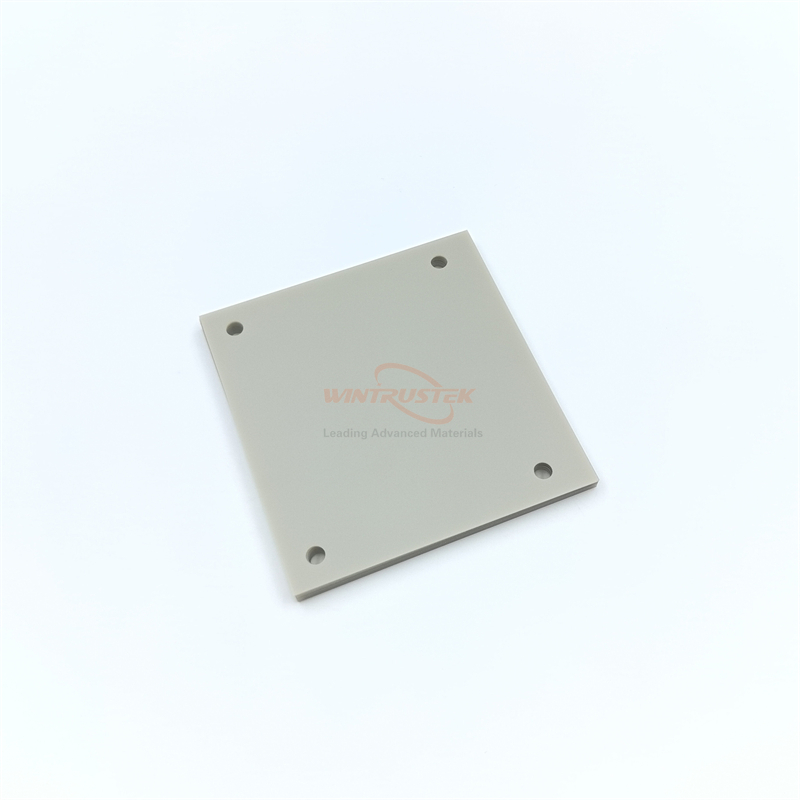
Thermal dissipation management is one of the most important engineering difficulties in the current power electronics. As power devices are moving toward higher power densities, smaller footprints and faster switching speeds (e.g. Silicon Carbide (SiC) and Gallium Nitride (GaN) power modules), conventional PCB substrates are soon reaching their thermal limits.
Engineers depend on technical ceramic substrates to provide outstanding electrical insulation as well as strong thermal conductivity to prevent thermal throttling and catastrophic component failure.
Alumina (Al2O3) and Aluminum Nitride (AlN) are the most used substrate materials for Direct Copper Bonding and Active Metal Brazing (AMB) circuits among the technical ceramics. The choice between Alumina and Aluminum Nitride involves a significant trade-off among thermal performance, mechanical strength, and cost.
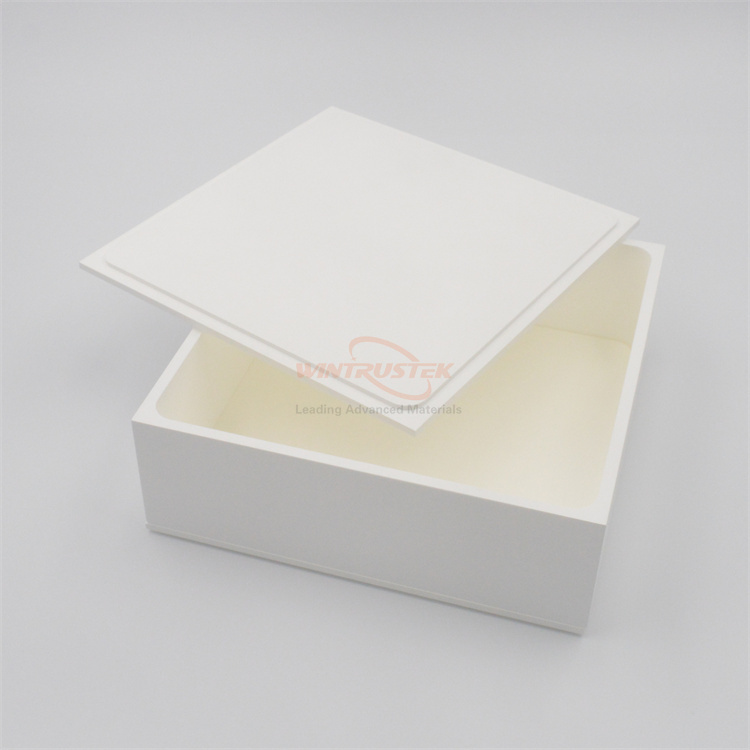
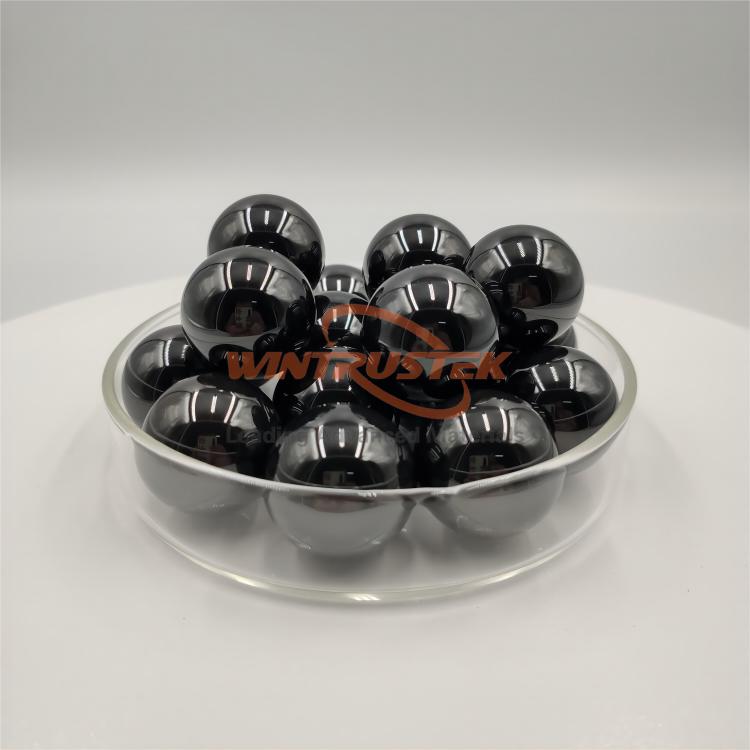
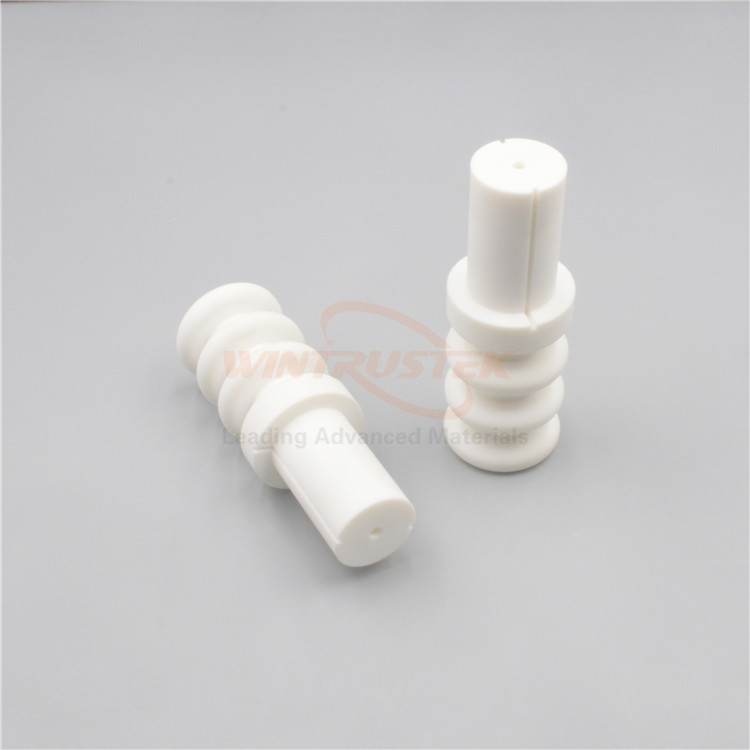
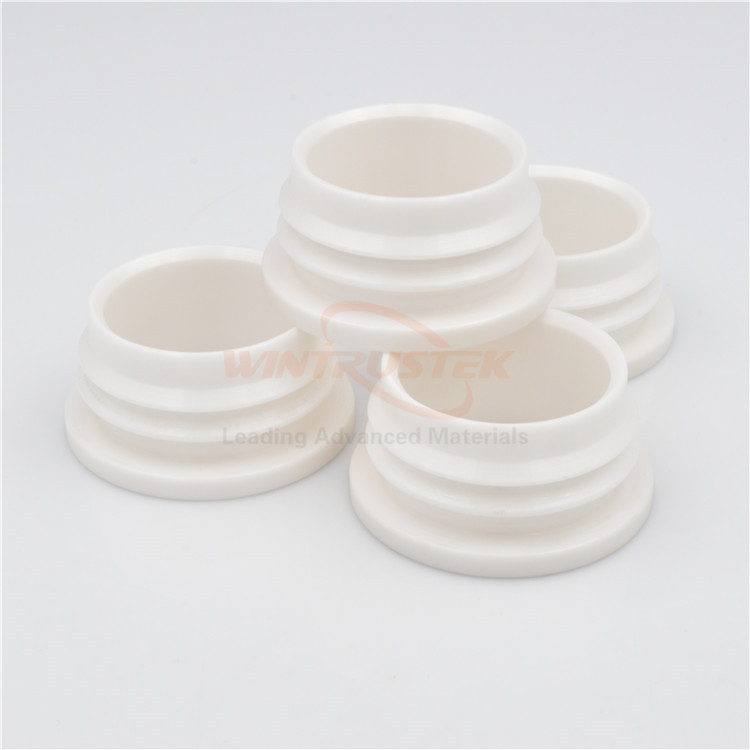
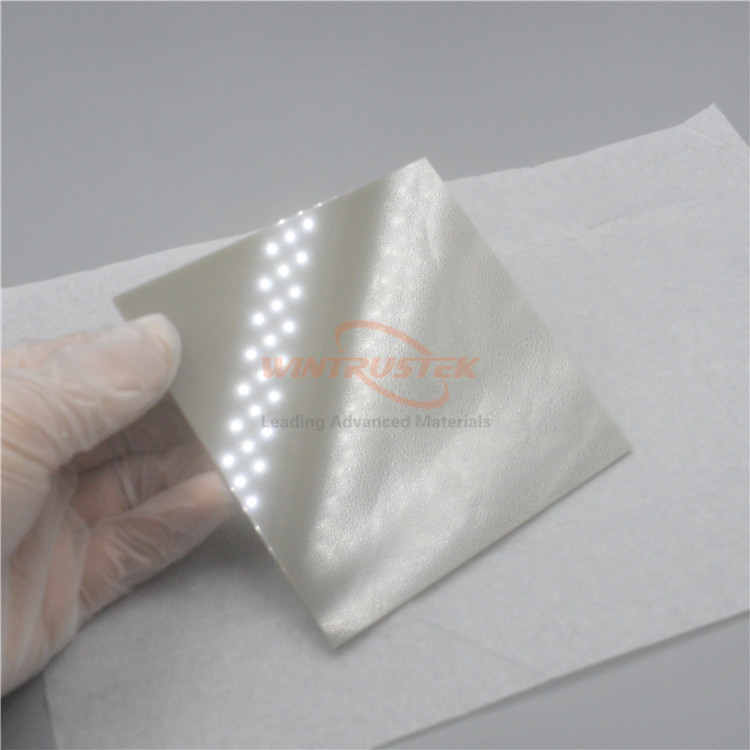
Wintrustek provides precision machined Alumina and Aluminum Nitride ceramic substrates to meet high reliability power electronics needs. Here’s a technical guide to help you select the correct ceramic substrates for your application.
1. Thermal Conductivity: The Critical Performance Gap
The primary reason engineers upgrade from standard Alumina to Aluminum Nitride is thermal conductivity.
Alumina Substrates (Al2O3, typically 96% purity): Offer thermal conductivity of about 24 W/m∙K. 96% Alumina is thermally suitable for conventional automotive electronics and low and medium power modules, however it becomes a thermal bottleneck as power density climbs.
Aluminum Nitride Substrates (AlN): They provide a great thermal management solution with thermal conductivity of 180 to 200 W/m∙K, which is over 7 to 8 times higher than Alumina. This performance is comparable to metallic conductors, while providing total electrical isolation.
In high power application cells such as IGBT modules used for electric vehicles (EVs), solar inverters and high frequency RF amplifiers, AlN substrates quickly draw heat from active semiconductor dies, lowering junction temperatures and increasing the operational life span of the modules.
2. Thermal Expansion Matching with Silicon and Wide-Bandgap Semiconductors
Beyond heat dissipation, Thermal Coefficient of Expansion (CTE) matching is important for long-term solder junction durability. Micro-cracking, delamination and premature module failure are induced by the differential thermal expansion (CTE mismatch) during power cycling.
Alumina (Al2O3): CTE is around 6.5 to 7.5 ppm/K.
Aluminum Nitride (AlN): CTE is around 4.6 ppm/K.
Silicon (Si) / Silicon Carbide (SiC) Dies: CTE ranges between 3.0 and 4.0 ppm/K.
The CTE of Aluminum Nitride is near to that of Si and SiC semiconductor chips, which results in substantially lower interfacial thermal stress in AlN ceramic substrates under high temperature cycling (-55 °C to 150 °C+). AlN is hence the better choice for mission critical and harsh environment applications.
3. Mechanical Strength and Cost Efficiency: Where Alumina Excels
Despite AlN's superior thermal properties, Alumina remains the undisputed industry workhorse for a reason:
Lower Material and Processing Costs: Alumina powder is plentiful and easier to sinter in typical air circumstances. AlN requires high purity raw powders and unique pressureless or hot-press vacuum sintering conditions, making AlN substrates 3 to 5 times more expensive than Alumina.
Greater Flexural Strength and Toughness: Standard 96% Alumina is mechanically stronger and tougher than standard AlN, and is more forgiving in automated pick-and-place assembly and thick-film screen printing operations.
4. Selection Guide: Which Ceramic Substrate Fits Your Project?
Choose Alumina (Al2O3) Substrates If:
Your power module is designed for low-to-medium power density applications (such as conventional industrial drives, consumer appliances, basic LED circuitry).
Your bill of materials (BOM) is driven by cost sensitivity.
For the application, thick-film technology or great mechanical durability is required in production.
Choose Aluminum Nitride (AlN) Substrates If:
You create high power density modules employing SiC or GaN devices (e.g. EV traction inverters, wind energy converters, traction control systems).
Your thermal management system must shed maximum heat in a small, minimized package.
Mission essential applications require low CTE stress and long life thermal cycle reliability.
Partner with Wintrustek for High-Reliability Ceramic Substrates
Wintrustek provides precision laser-machined, polished and metalized ceramic substrate solutions for either high-volume 96% Alumina substrates for traditional circuit boards or high purity Aluminum Nitride (AlN) substrates for next-generation SiC power modules that are customized to your exact specifications.
Contact Wintrustek today at sales@wintrustek.com to consult with our ceramic engineers or request samples for your thermal management evaluation.