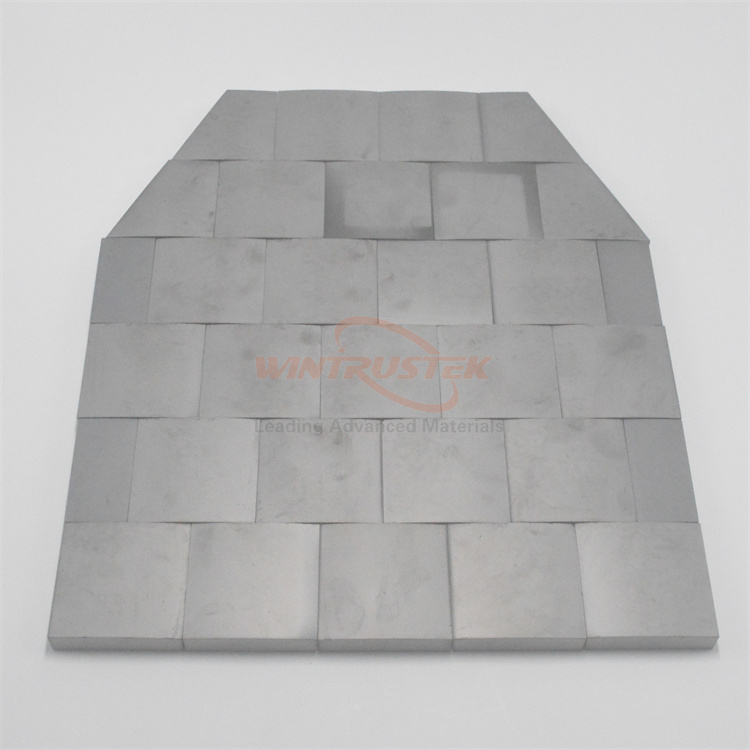
(Boron Carbide (B4C) Ceramic Bulletproof Plates)
In current defense and security applications tactical soldiers are required to wear body armor that provides optimum ballistic protection with the minimum possible weight load. The development of high-performance ballistic ceramic plates, incorporated into hard armor inserts (HAIs), has revolutionized individual protection against high-velocity armor-piercing (AP) rifle bullets.
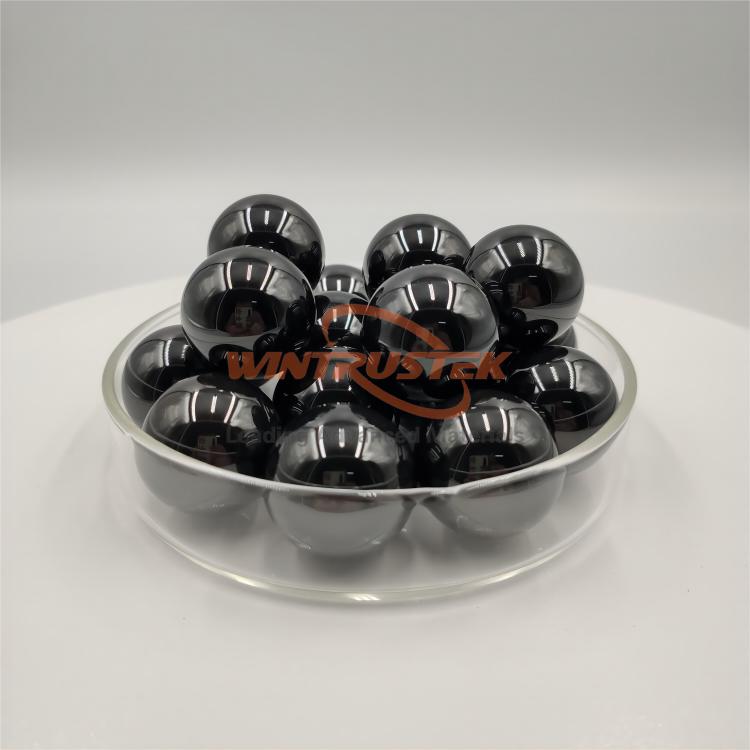
Boron Carbide (B4C) is the most efficient material for tactical weight reduction and exceptional ballistic efficiency of all technical ceramics. Boron Carbide, sometimes called the "black diamond", is the lightest and hardest structural ceramic manufactured on an industrial scale, with a Mohs hardness of 9.3 and a density of only 2.48 grams per cubic centimeter.
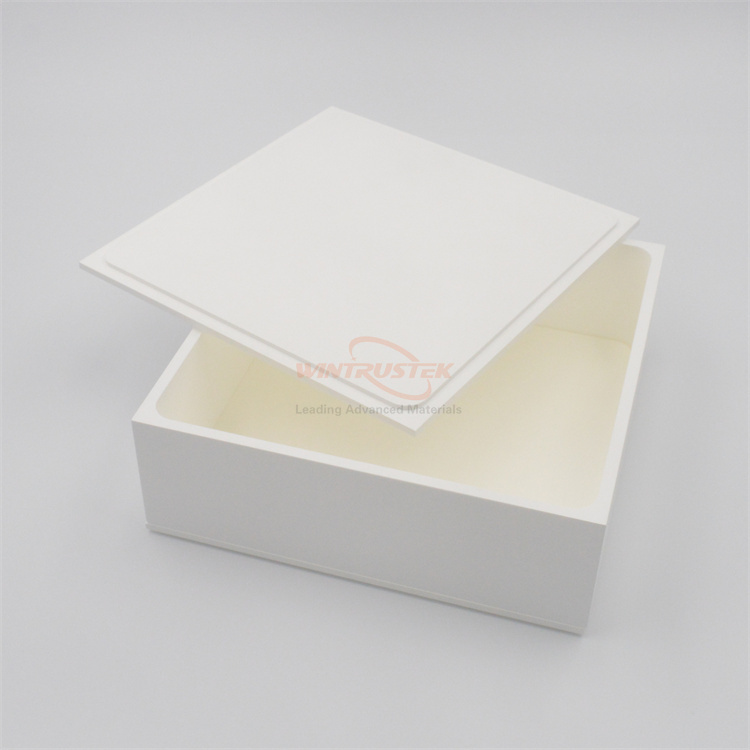
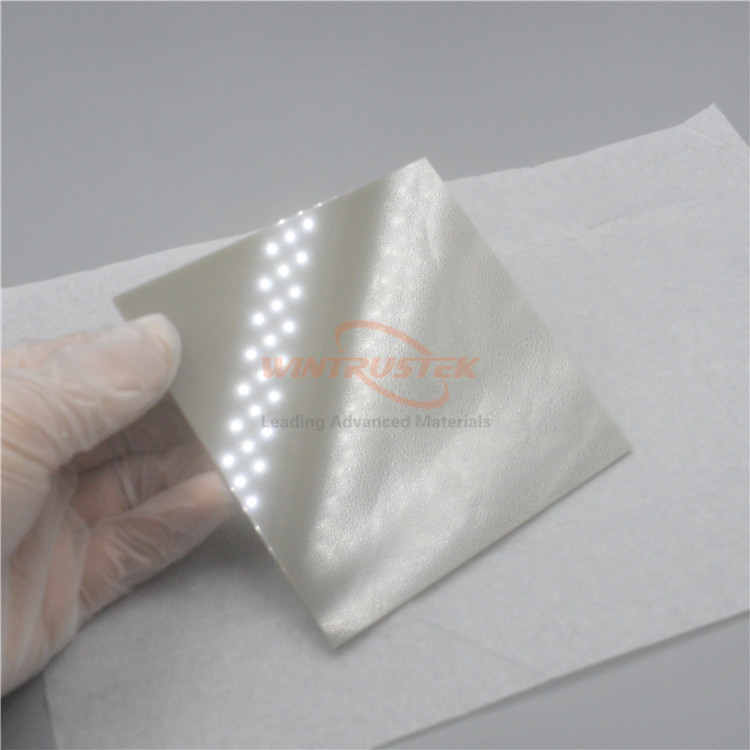
Wintrustek produces precise hot pressed Boron Carbide (B4C) ceramic plates and curved tiles designed to counter high velocity missile threats while greatly reducing the load carried by the soldier.
This is a deep dive on the energy dissipation mechanism of ballistic ceramics and why Boron Carbide is better than Alumina and Silicon Carbide in weight critical missions.
1. Mechanics of Ballistic Energy Dissipation: Ceramics Defeat Armor-Piercing Rounds
Ceramic plates are somewhat different. Steel or titanium are ductile so they bend and absorb energy from the bullet. The projectile hits the plate and destroys it in a complex two stage physical process:
Phase 1: Fragmentation and Residence of the Projectile (Shock Wave Generation)
The ultra-hard surface of B4C ceramic will generate a lot of compressive shock waves when hit by a high-velocity AP projectile. The ceramic has a higher dynamic hardness than the hardened steel or tungsten carbide penetrator core thus the projectile tip blunts and breaks up rapidly. The effect causes the bullet to shed more than 60 percent of its kinetic energy within microseconds.
Phase 2: Microfracturing and Erosion (Development of the Fracture Cone)
The fractured projectile is still moving forward, and the compressive forces turn into tensile stress in the ceramic tile. The B4C ceramic shatters locally, creating an underground "fracture cone." This expanding cone distributes the focused kinetic energy over a considerably larger surface area. Any residual energy and fragmented fragments are safely collected by a ductile composite backing plate (UHMWPE or Aramid fibers, for example).
2. Boron Carbide (B4C) and Weight Saving Benefits
Alumina (Al2O3) and Silicon Carbide (SiC) are used in commercial body armor. But Boron Carbide (B4C) is the material of choice for special forces, tactical pilots and law enforcement teams where every gram matters.
A. Extreme Density Advantage (Lightest Hard Armor Material)
A normal NIJ Level IV hard armor ceramic plate manufactured with B4C is roughly 20 percent to 35 percent lighter than a comparable SiC or Alumina plate. The B4C tactical operator front and rear torso armor reduces gear burden by 1.5 to 2.5 kg, greatly enhancing mobility, stamina and tactical reaction time.
B. Increased Hardness for Defeat of Armor-Piercing
Boron Carbide has a Vickers hardness greater than 30 GPa (Mohs 9.3+) much higher than SiC (~24 GPa) and Alumina (~15 GPa). This exceptional hardness means B4C ceramic plates rapidly overcome ultra-hard tungsten carbide core penetrators on impact.
Custom Ballistic B4C Solutions from Wintrustek
Whether you are designing NIJ Level III and Level IV hard armor inserts, side torso plates, helicopter armor paneling, or vehicle protection shields, Wintrustek supplies custom hot-pressed Boron Carbide (B4C) tiles engineered to exact ballistic and geometric standards.
We manufacture single-curved, multi-curved, and monolithic B4C ceramic plates with precise dimensional tolerances to ensure seamless integration with composite backings.
Contact Wintrustek today at sales@wintrustek.com to consult with our defense material engineers and request technical specifications for our Boron Carbide ballistic ceramic products.