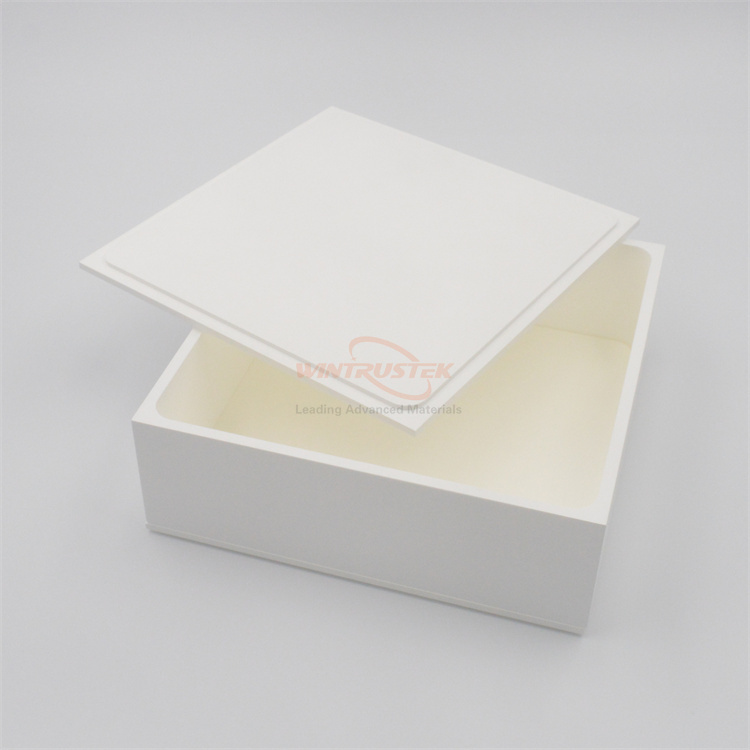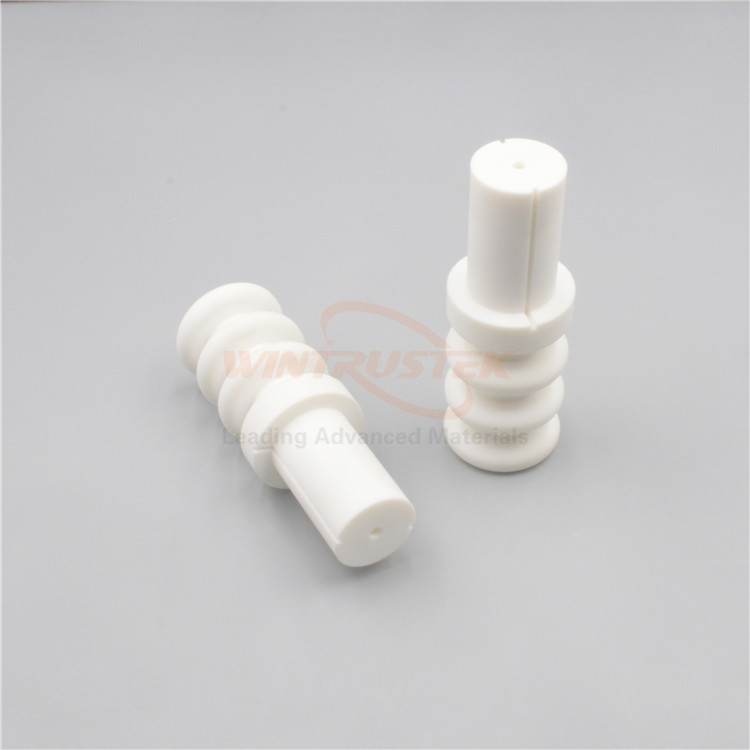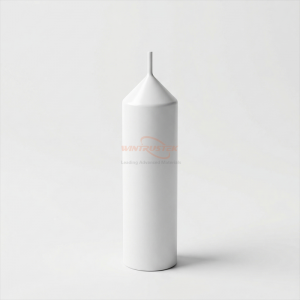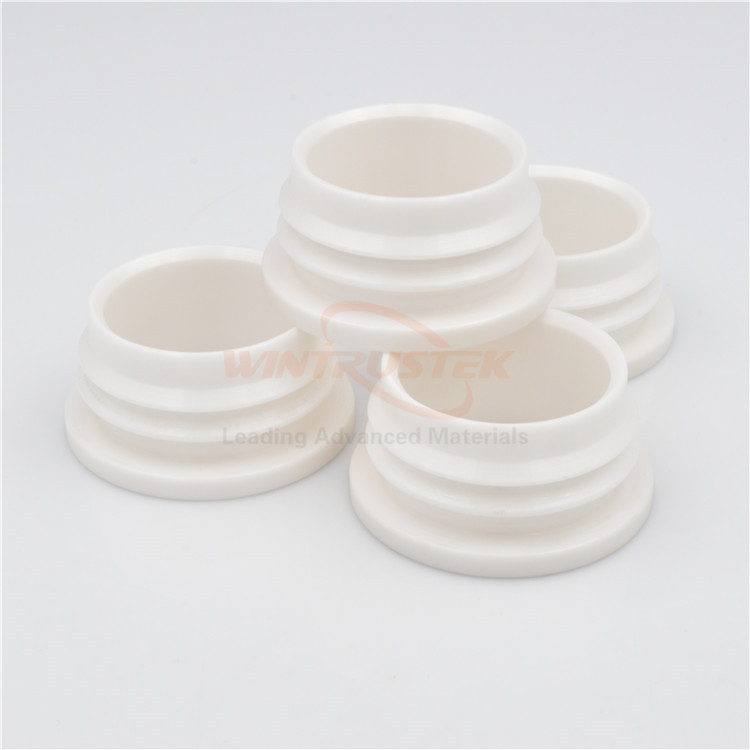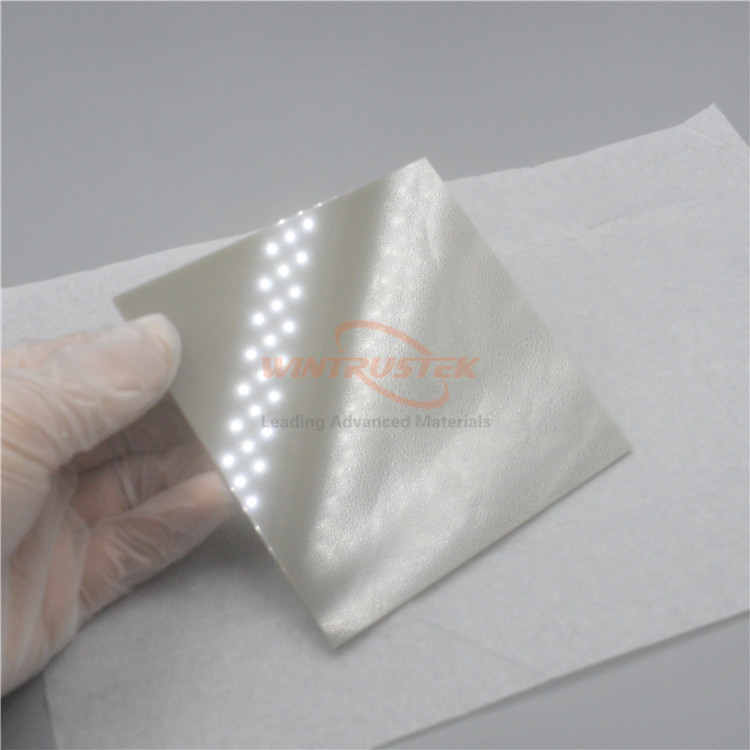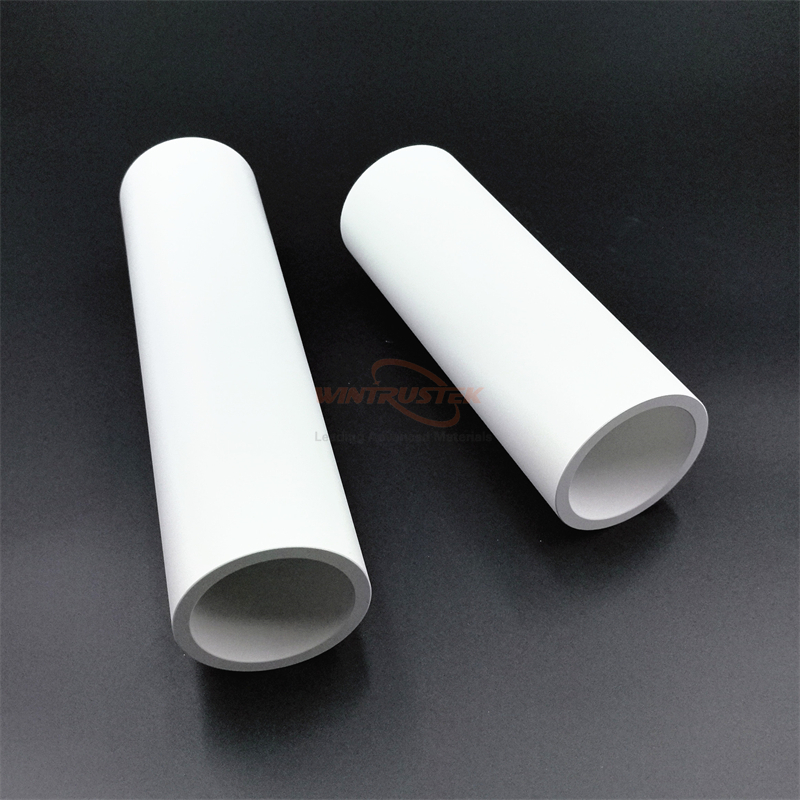
(Hot-Pressed Boron Nitride Insulating Tubes)
The electrical grid is a critical impediment for the rapid spread of artificial intelligence. As tech firms roll out enormous supercomputing clusters such as the Memphis Colossus data center for rocket simulation, Starlink network optimization and AI model training, the physical boundaries of public power grids are being approached.
To prevent grid congestion and get a steady flow of gigawatt-scale power, tech leaders are creating off-grid microgrids that use photovoltaic (PV) power generation and battery energy storage systems (BESS). These companies are looking upstream to the silicon manufacturing supply chain to ensure they have component quality and long-term cost management.
High-efficiency PV modules are made from monocrystalline silicon. This material is produced with Czochralski (CZ) pullers and casting furnaces under severe circumstances. At Wintrustek we offer specialty Hot-Pressed Boron Nitride (HPBN) ceramic insulating tubes to survive the most extreme temperature and electrical conditions within these furnaces.
Here’s a look at how the AI power crunch is driving demand for upstream PV equipment, and why HPBN insulating tubes are critical in high-temperature silicon ingot growth.
1. The Energy Bottleneck in Computing and the Demand for Upstream PV
Data centers that support next-generation AI workloads demand hundreds of megawatts (MW), potentially gigawatts (GW), of continuous baseload electricity. Traditional public grids have extended capacity expansion cycles and struggle with stability under continuous peak demands.
Captive solar-plus-storage microgrids can provide decentralized energy independence to computer infrastructure. However, the performance of such microgrids relies on the high efficiency of solar cells that are based on ultra-pure, monocrystalline silicon wafers.
Solar cell technologies are developing toward N-type TOPCon and Heterojunction (HJT) architectures, which demand more stringent control of purity, temperature fields and electrical isolation inside CZ pullers and casting furnaces.
2. Extreme Furnace Conditions: Thermal and Electrical Challenges
The monocrystalline silicon ingots are grown at high temperatures 1400°C-1500°C in the presence of powerful electro-magnetic fields and corrosive fumes of silicon.
In these furnaces high power electrodes, graphite heaters and temperature measuring devices intersect the hot zone borders. These feedthrough points are susceptible to three principal threats:
Electrical Arc Discharge: High power at elevated temperatures reduces the dielectric breakdown strength of typical ceramics, potentially causing catastrophic short circuits and electrode arcing.
Silicon Vapor Attack: Volatile silicon species (e.g. Si and SiO gas) aggressively react with structural materials resulting in surface degradation and contamination.
Thermal Shock Failure: In conventional insulation components, significant stress fractures occur as a consequence of rapid temperature ramps during thermal cycling.
3. The Indispensability of Hot-Pressed Boron Nitride (HPBN)
Hot-Pressed Boron Nitride (HPBN) ceramics are used by furnace engineers to provide electrical isolation and thermal field stability without polluting the silicon melt.
Superior Electrical Insulation for Elevated Temperatures
Unlike oxide ceramics (e.g. alumina) whose dielectric strength is lost when temperature exceeds 1000 °C, HPBN possesses strong electrical resistivity and breakdown strength above 1500 °C. This prevents electrical discharge and power loss between the electrode terminals.
Excellent Heat Resistance and Thermal Shock Resistance
HPBN has a low coefficient of thermal expansion (CTE) and high thermal conductivity in the direction of its structural planes. It handles rapid cooling and heating cycles without micro-cracking, preserving structural integrity for multi-day crystal formation processes.
Chemical Inertness to Vapor of Silicon
PBN and HPBN show a high level of chemical resistance against molten silicon and corrosive gasses. HPBN does not react with silicon vapor or outgas harmful contaminants into the chamber preventing carbon and oxygen contamination in the growing silicon ingot.
The Wintrustek Advantage: Custom-engineered Hot-Pressed Boron Nitride Tubes with high purity, homogeneous density and exact mechanical tolerances. Our BN components ensure long-term durability for electrode isolation, heater suspension and thermocouple protection tubes in monocrystalline silicon pullers.